Challenges and Progress: FDA's Foreign Food Safety Inspections in 2025
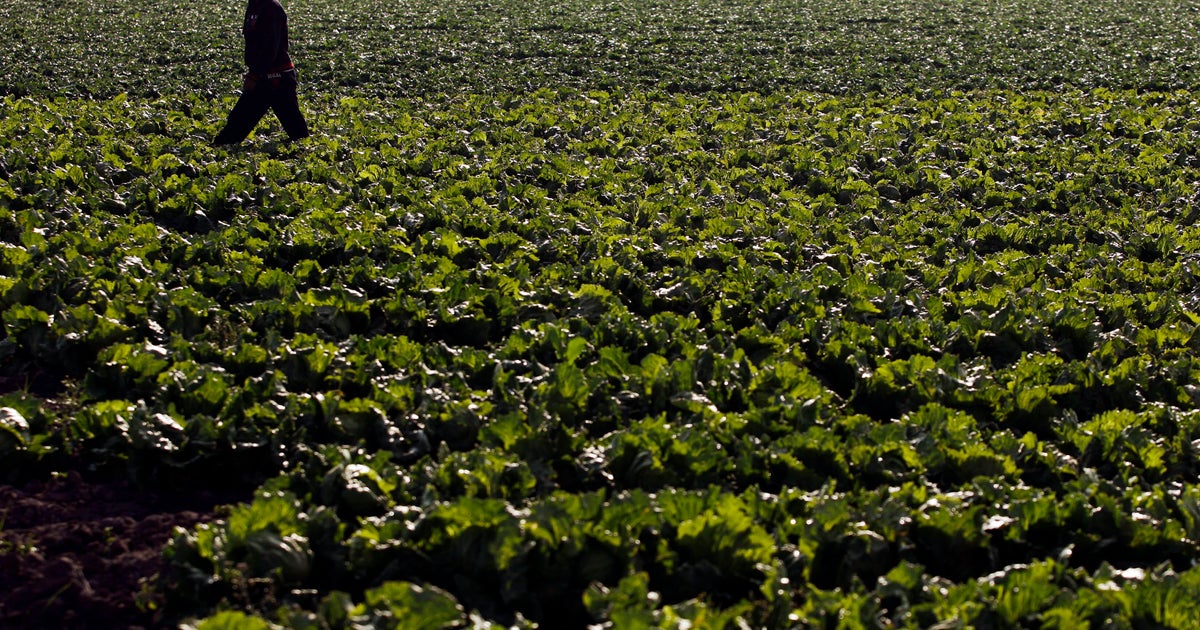
The Food and Drug Administration (FDA) conducted nearly 1,000 foreign food safety inspections in 2025, falling short of the required number set by federal law. The FDA has struggled to meet the mandated inspection targets over the past decade, with a significant decrease in inspections in recent years. Despite the challenges, the FDA plays a crucial role in ensuring the safety of food imports and preventing outbreaks. Inspections have revealed violations in about a third of foreign firms inspected for foodborne hazards, highlighting the importance of regulatory oversight in maintaining food safety standards.
The FDA's inspection count is just one aspect of a comprehensive oversight system that prioritizes resources based on risk and public health impact. While food companies are primarily responsible for ensuring day-to-day safety, regulatory agencies like the FDA provide an essential external check. The FDA inspects various food producers, including fruits, vegetables, dairy, processed foods, and most seafood, while the U.S. Department of Agriculture oversees meat and poultry producers. With a large percentage of non-meat food shipments coming from foreign manufacturers, the FDA employs a risk-based model to determine inspection priorities based on import volume and compliance history.
The Food Safety Modernization Act (FSMA) set ambitious targets for foreign inspections, but the FDA has struggled to meet these goals due to funding and staffing challenges. The agency has faced budget constraints and staffing shortages, hindering its ability to conduct the required number of inspections. The cost of meeting the existing Congressional mandate for foreign inspections is substantial, accounting for over 10% of the FDA's budget. Despite efforts to address these challenges, including creating a workgroup to reassess inspection targets, the FDA continues to face obstacles in meeting inspection goals.
The FDA's inspection efforts are crucial for safeguarding the food supply and preventing foodborne illnesses. While the agency has made strides in enhancing food safety oversight, there is a need for increased resources, better management, and stronger commitment to meeting inspection targets. With ongoing challenges in funding and staffing, addressing these issues will require a collaborative effort from Congress, the administration, and regulatory agencies to ensure the safety of the food supply for consumers.