California Parole Board Policy Sparks Outcry from Victims' Families and Advocates
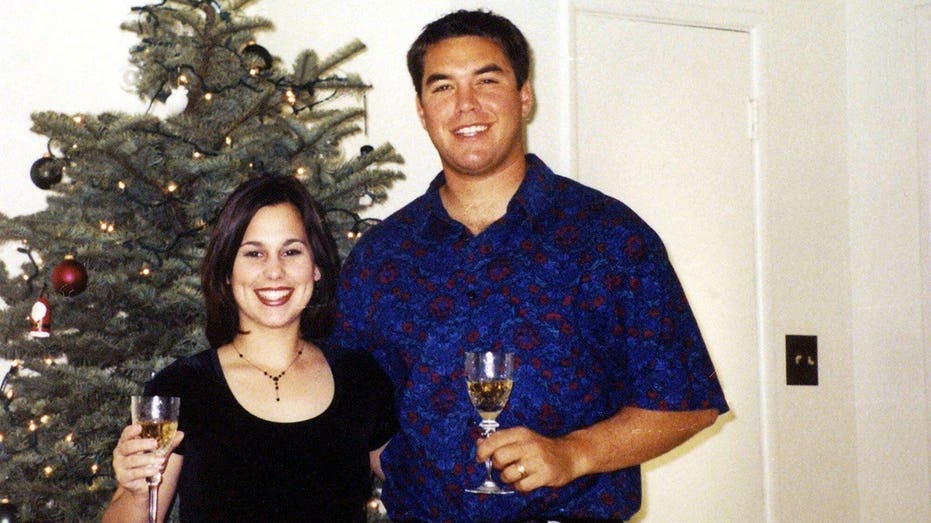
The family and friends of Laci Peterson, along with other advocates for California murder victims, are opposing a new parole board policy that could lead to resentencing or clemency for convicts serving life without parole. The policy, set to take effect later this year, has sparked concerns among those who believe it could benefit some of the most heinous criminals, including serial killers and mass shooters.
Anne Marie Schubert, a former Sacramento District Attorney and current president of the Criminal Justice Legal Foundation (CJLF), highlighted the severity of the offenders who could potentially benefit from the new policy. She mentioned cases involving cop killers, baby killers, and mass shooters, emphasizing the gravity of the crimes committed by these individuals.
Schubert pointed out specific high-profile prisoners serving life without parole, such as Scott Peterson, who was convicted of killing his pregnant wife Laci, and gang member David Hill, who fatally shot a San Francisco Police Officer. The potential impact of the new regulations on thousands of inmates, including those with violent criminal histories, has raised significant concerns among victims' families and advocacy groups.
The CJLF, in collaboration with victims' families and nonprofit organizations, filed a lawsuit challenging the parole board's authority to implement the new policy. The lawsuit argues that the board overstepped its boundaries by creating a resentencing and clemency review system for prisoners sentenced to life without parole, contrary to California law and victims' rights.
The petition filed by the CJLF and its partners contends that the parole board's actions violate Marsy's Law, a constitutional provision aimed at ensuring the finality of judgments for crime victims in California. By extending the review process to inmates convicted of first-degree murder with special circumstances, the board's new policy has raised legal and ethical concerns regarding the rights of victims and their families.
Scott Peterson, who has maintained his innocence despite his murder convictions, has been at the center of a prolonged legal battle. After his death sentence was overturned, he was resentenced to life without parole, prompting mixed reactions from those close to the case. The uncertainty surrounding the possibility of Peterson's release has added to the emotional toll on Laci Peterson's family and friends.
Kim Juarez, a close friend of Laci Peterson, expressed the ongoing impact of the case on their lives, describing the persistent fear and trauma experienced by those connected to the tragedy. The potential for Peterson's release has reignited painful memories and uncertainties for the victims' loved ones, highlighting the lasting effects of violent crimes on families and communities.
The controversy surrounding the parole board's new policy reflects broader debates about justice, victims' rights, and the legal system's handling of violent offenders. As the legal battle continues, the voices of victims' families and advocates for crime victims remain crucial in shaping the outcomes of such cases and ensuring accountability for those who commit heinous crimes.