Breaking Down Plastic Pollution: The Rise of Bioplastics in Sustainable Manufacturing
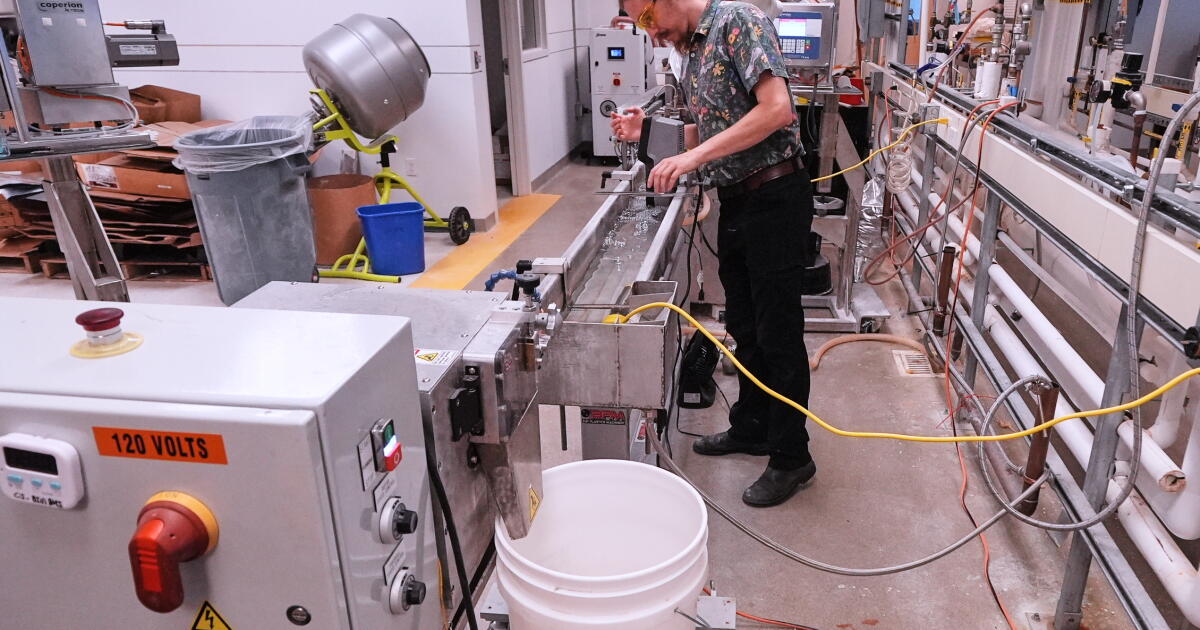
In a lab in Massachusetts, bioplastic pellets are being developed as an eco-friendly alternative to traditional plastics made from fossil fuels. CJ Biomaterials uses sugar fermentation to create plant-based polymers that can be consumed by microbes, reducing the environmental impact of plastic pollution. The company aims to produce biopolymers that mimic the properties of conventional plastics but can be composted at home, offering a sustainable solution to plastic waste.
The bioplastic pellets are used to create a variety of products, including forks and films for food packaging. These products are designed to break down in compost bins, unlike traditional plastics that can persist in the environment for decades. With growing concern over microplastics contaminating the environment, bioplastics are gaining popularity as a more sustainable alternative to conventional plastics.
Traditional plastics pose a significant threat to the environment as they break down into harmful microplastics that can be found in various ecosystems. Bioplastics, on the other hand, are biobased and biodegradable, making them a more environmentally friendly option. CJ Biomaterials specializes in producing polyhydroxyalkanoates (PHAs), a marine and soil biodegradable polymer that can replace single-use plastics and reduce greenhouse gas emissions from food waste decomposition.
As part of the South Korean conglomerate CJ Group, CJ Biomaterials is at the forefront of bioplastic production, offering a range of compostable products such as cutlery, cups, and food packaging. By utilizing sugar-fed microbes to create PHA granules, the company is able to produce bioplastics that can be easily composted, reducing the environmental impact of plastic waste.
Biobased plastics are considered a crucial part of the solution to the plastic pollution crisis, helping to reduce the world's reliance on fossil fuels and promote sustainable practices. While challenges remain in terms of cost and infrastructure for composting facilities, the demand for bioplastics is expected to increase in the coming years as more companies and consumers prioritize sustainability.
In conclusion, bioplastics offer a promising solution to the global plastic pollution problem by providing a sustainable alternative to traditional plastics. With advancements in bioplastic technology and growing awareness of the environmental impact of plastic waste, bioplastics are becoming increasingly popular as a more eco-friendly option for everyday products. By supporting the development and adoption of bioplastics, we can work towards a cleaner and more sustainable future for our planet.