US Commitment to Indo-Pacific Security: Strengthening Alliances and Deterrence
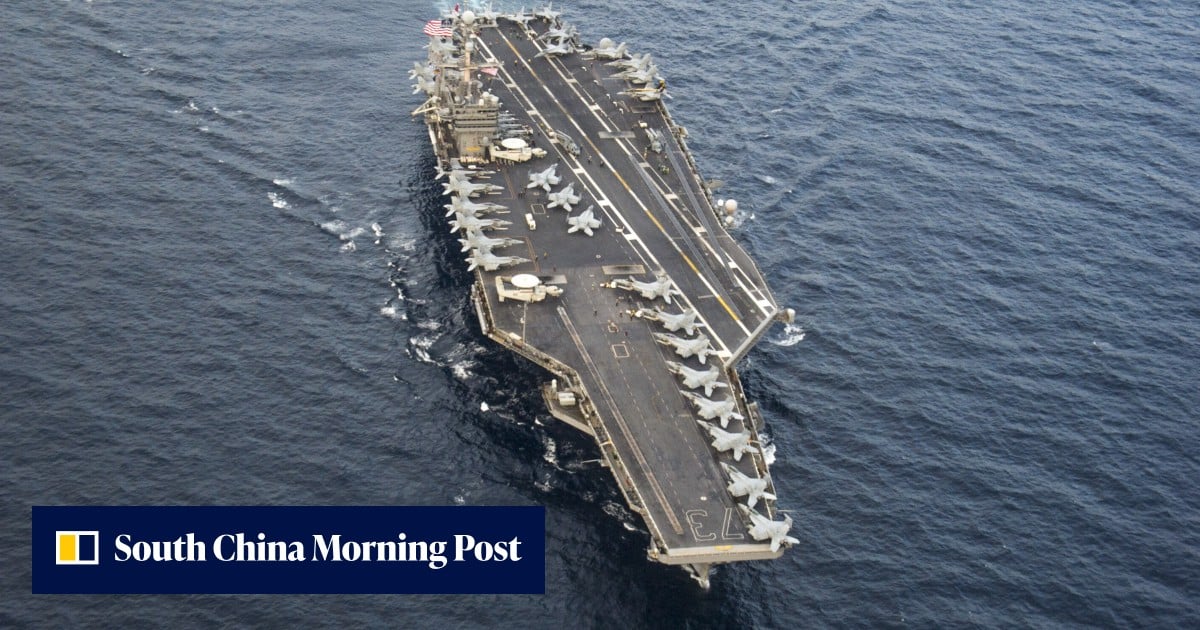
The United States is committed to maintaining a favorable balance of power in the Indo-Pacific region and is not disengaging from Asia. Elbridge Colby, a senior Pentagon official, emphasized the importance of allies investing more in their defense during a speech in Manila. He highlighted the need for partnership and burden-sharing rather than dependency on the US.
Colby reassured the audience that America is not leaving Asia but is instead strengthening its presence to ensure a favorable balance of power. He emphasized the significance of deterrence by denial along the first island chain in the Indo-Pacific region, which includes countries like Japan, Taiwan, and the Philippines. Colby's visit to Southeast Asian countries like Indonesia, Thailand, and Cambodia underscores the US commitment to the region.
The strategy of using American-aligned island bases along the first island chain to contain threats from the Soviet Union and China dates back to 1951. Colby stressed that this strategy requires allies to invest more in their own defense to strengthen deterrence. He emphasized that the US is seeking partners who are capable of taking responsibility for their own security, rather than relying solely on American forces.
Colby highlighted the importance of Taiwan in the island chain concept, referring to it as an "unsinkable aircraft carrier." He reiterated that when allies are strong and invest in their defense, deterrence is also strengthened. The US expects its partners to contribute to maintaining a favorable balance of power in the Indo-Pacific region through their own investments in defense.
In conclusion, Elbridge Colby's speech in Manila reaffirmed the US commitment to the Indo-Pacific region and emphasized the importance of allies taking on more responsibility for their defense. By promoting partnership and burden-sharing, the US aims to strengthen deterrence and maintain a favorable balance of power in the region.