Unpaid Heroes: The Struggle of Frontline Health Workers in Congo's Ebola Outbreak
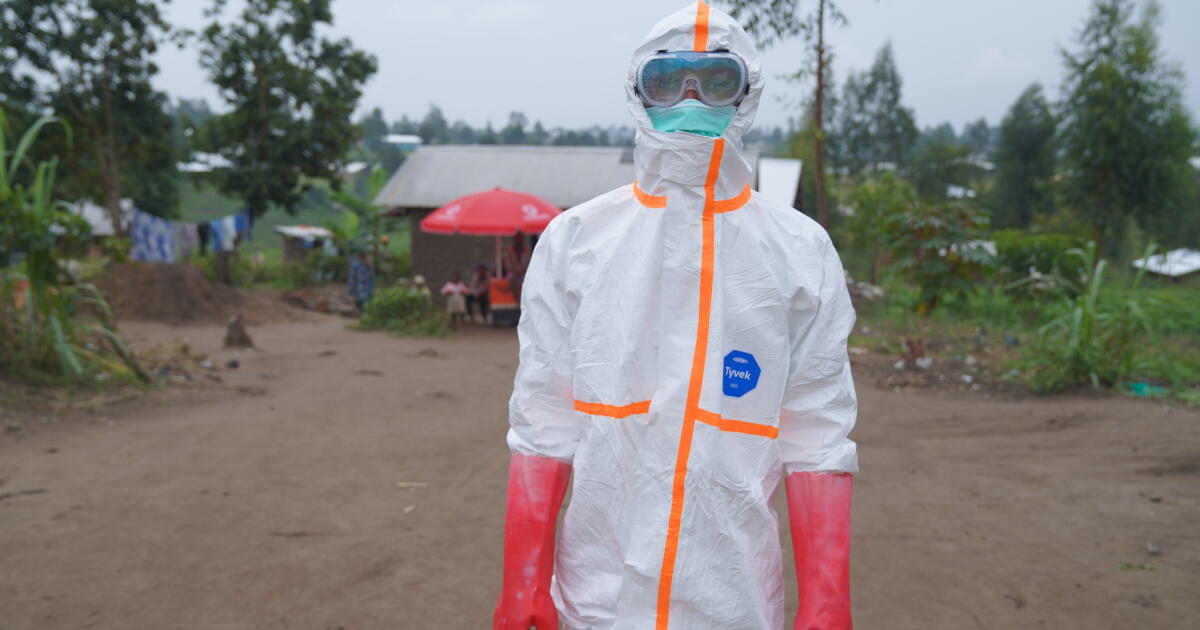
In Congo's Ituri province, Wiza Bondele is dedicated to combating the rapidly spreading Ebola outbreak by working at a treatment hospital. Despite the risks involved in his role as an infection control worker, Bondele, like many other frontline health workers, has not received any pay since the outbreak began in May. The lack of compensation for these workers has raised concerns and led to disruptions in critical care services, as the outbreak continues to escalate.
The Ebola outbreak in Congo has surpassed 4,000 confirmed cases and claimed over 1,800 lives, making it the second-largest outbreak on record. The virus, linked to the Bundibugyo strain, has no approved vaccines or treatments. Bondele, who previously worked on the 2018 Ebola response, returned to help his community in Ituri, where the majority of cases are concentrated. However, the promised monthly salary of $510 has not been paid to him or his colleagues, causing financial hardships.
Efforts to resolve the payment issues have been ongoing, with the government verifying the list of workers involved in the outbreak response. Despite registering for mobile money transactions and signing attendance sheets, many workers, including those who were paid, have not received their full salaries. The delays in payments have made it challenging for Bondele to meet his daily expenses and support his family, highlighting the financial strain faced by frontline health workers.
The unpaid wages have led to strikes and protests by Ebola response workers in Bunia, who demand concrete solutions to address the months of outstanding payments. Dr. Adelard Lufungula, the operations manager for the government's Ebola response, assured that the payment backlog would be cleared soon, with workers transitioning to electronic payments. However, the uncertainty surrounding the payment delays continues to weigh on Bondele and his colleagues, raising questions about the underlying reasons for the financial challenges they face.
Despite the hardships and frustrations, Bondele remains committed to his work, emphasizing the importance of his role in the Ebola response. The ongoing challenges, including armed conflict, misinformation, and public mistrust, have complicated efforts to contain the outbreak. Resistance to preventive measures and the spread of falsehoods have fueled violence and hindered contact tracing and treatment efforts, particularly in remote communities affected by rebel activities.
As Bondele perseveres in his duties, he reflects on the courage required to confront the outbreak and the discouragement stemming from the unresolved payment issues. The dedication of frontline health workers like Bondele underscores the critical role they play in combating the Ebola outbreak, despite the numerous challenges they face.