Promoting Sustainable Fashion: The Rise of In-Store Repairs and Sewing Workshops in Clothing Brands
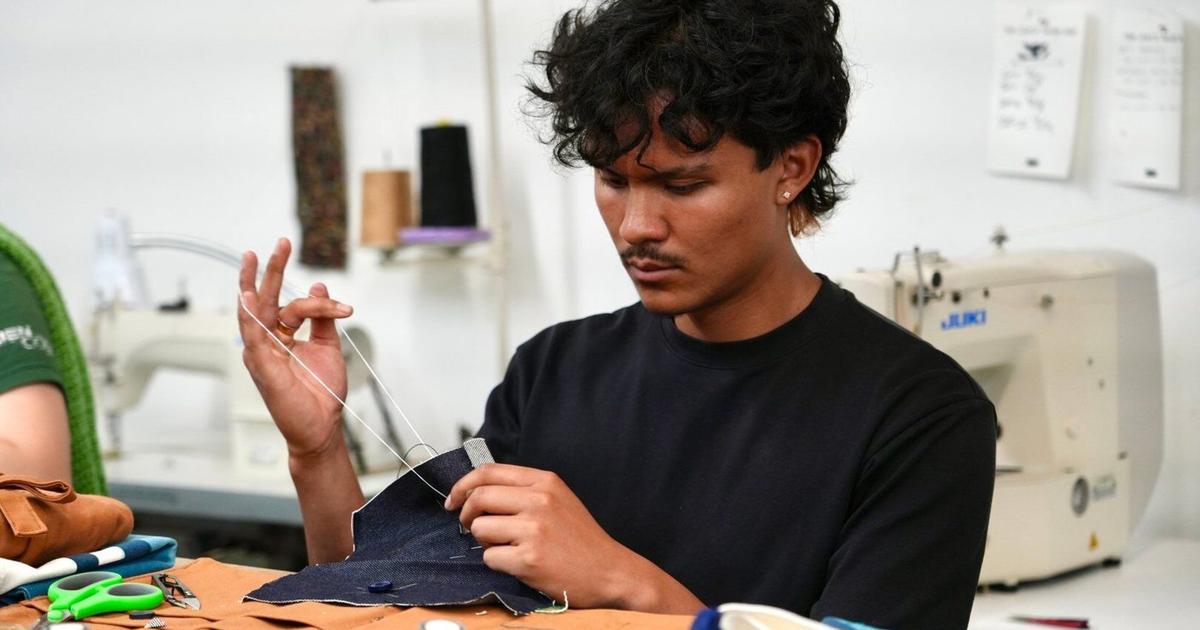
Encouraging customers to repair their worn clothes instead of purchasing new ones is becoming a popular trend among clothing brands. In-store repair services and sewing workshops are now essential offerings for brands looking to attract young consumers who are conscious of saving money and the environment. Luxury fashion houses and specialty retailers like Patagonia and L.L. Bean have long provided repair services, but the idea is gaining traction. Companies like Levi Strauss & Co., Uniqlo, and Primark are embracing the concept to appeal to Generation Z shoppers with a focus on sustainability and cost-effectiveness.
These brands are recognizing the shift in consumer behavior towards more sustainable practices and are adapting their services to meet these changing demands. By offering repair services and sewing workshops, they are not only extending the lifespan of their products but also fostering a sense of community and engagement with their customers. This approach aligns with the values of younger generations who prioritize environmental responsibility and value-conscious shopping.
The rise of in-store repairs and sewing workshops reflects a broader trend in the fashion industry towards sustainability and ethical practices. Brands are increasingly under pressure to address the environmental impact of fast fashion and are exploring innovative ways to promote a more sustainable approach to clothing consumption. By providing repair services, brands are encouraging customers to invest in quality pieces that can be worn for longer, reducing the need for constant new purchases and ultimately contributing to a more sustainable fashion ecosystem.
In conclusion, the shift towards offering in-store repairs and sewing workshops is a strategic move by clothing brands to appeal to environmentally conscious consumers and promote a more sustainable approach to fashion. By providing these services, brands are not only meeting the changing demands of their customers but also contributing to a more responsible and ethical fashion industry.