Justice Denied: The Fight for Compensation by Wrongfully Convicted Exoneree Elvis Brooks
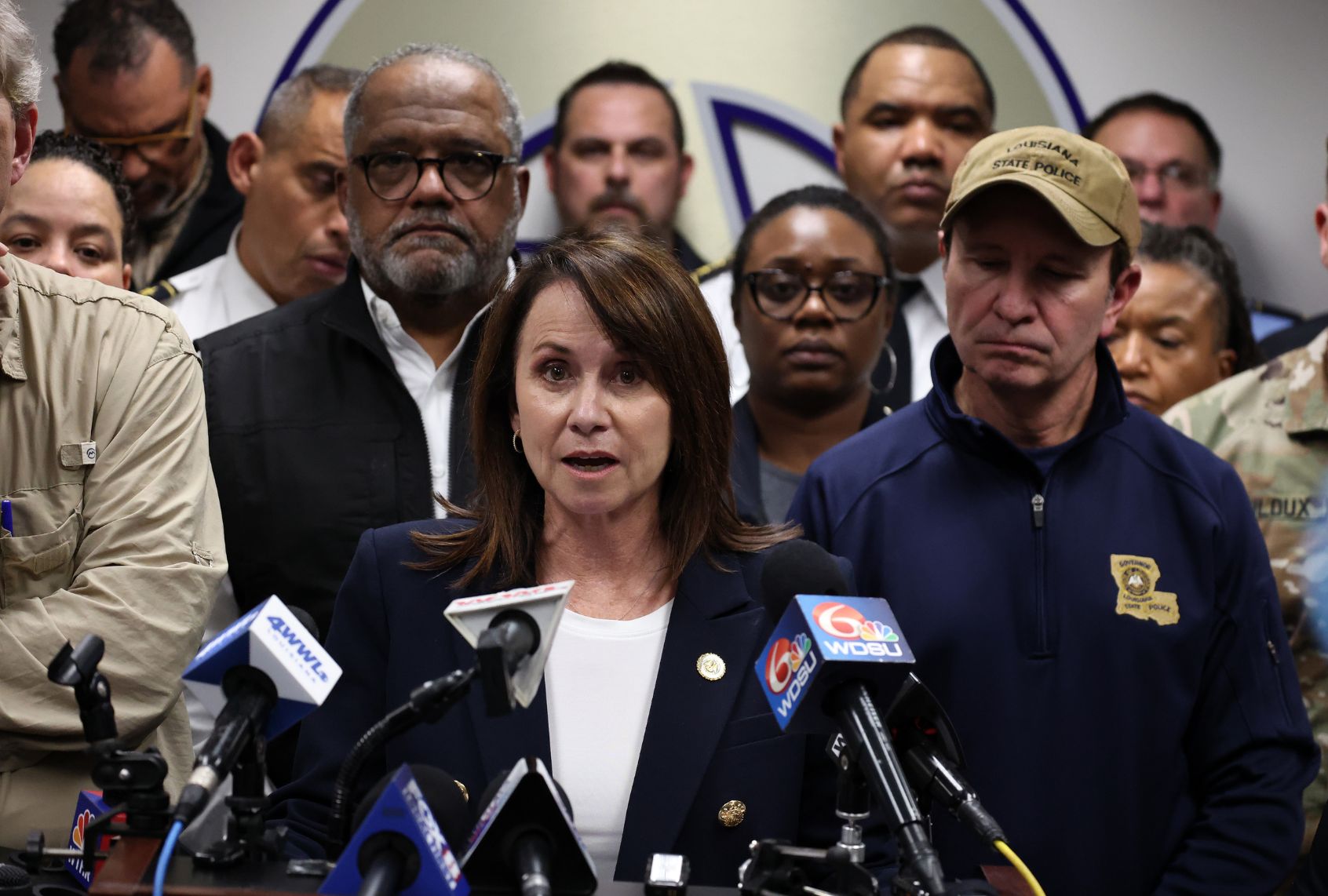
Elvis Brooks, a New Orleans native, spent over 40 years in prison for a crime he did not commit. Despite his unwavering claims of innocence, it took nearly 45 years and the revelation of key fingerprint evidence for the courts to overturn his conviction. This made Brooks eligible for compensation under a program created by Louisiana lawmakers to pay those wrongfully convicted. However, Louisiana Attorney General Liz Murrill has vigorously opposed Brooks' compensation claim, arguing that he is still guilty and should not receive any money.
Since taking office, Murrill has opposed the majority of compensation claims brought by exonerees, including cases where DNA or blood evidence cleared the individuals of the crimes they were convicted of. Murrill's hard-line tactics have drawn criticism from civil rights attorneys, who view Brooks' case as one of the most egregious examples of a wrongful conviction in recent years. Despite the court's decision to vacate Brooks' conviction, Murrill has been pushing to reject his compensation claim and reinstate a manslaughter charge against him.
The opposition to compensation claims by Murrill and other conservative politicians in Louisiana has created significant obstacles for exonerees seeking redress. The state's compensation fund, established in 2005, requires applicants to prove their innocence by "clear and convincing" evidence, a higher standard than in many other states. This has led to prolonged legal battles and delays in compensating individuals who have already suffered decades of wrongful incarceration.
Brooks, who filed for compensation in 2024, has faced fierce opposition from Murrill's office, despite the overwhelming evidence of his innocence. Murrill's aggressive stance against compensation claims has been criticized by legal experts and advocates for exonerees, who argue that the process should be more efficient and compassionate towards those who have been wrongfully convicted.
The fight for compensation by exonerees like Brooks highlights the challenges faced by individuals seeking justice after being wrongfully imprisoned. Despite the obstacles created by politicians like Murrill, exonerees continue to fight for their innocence and the recognition they deserve. The struggle for compensation is not just about money; it is about clearing their names and seeking accountability for the injustices they have endured.