Diplomatic Tensions: Taiwan's Boycott of Nagasaki Memorial Event
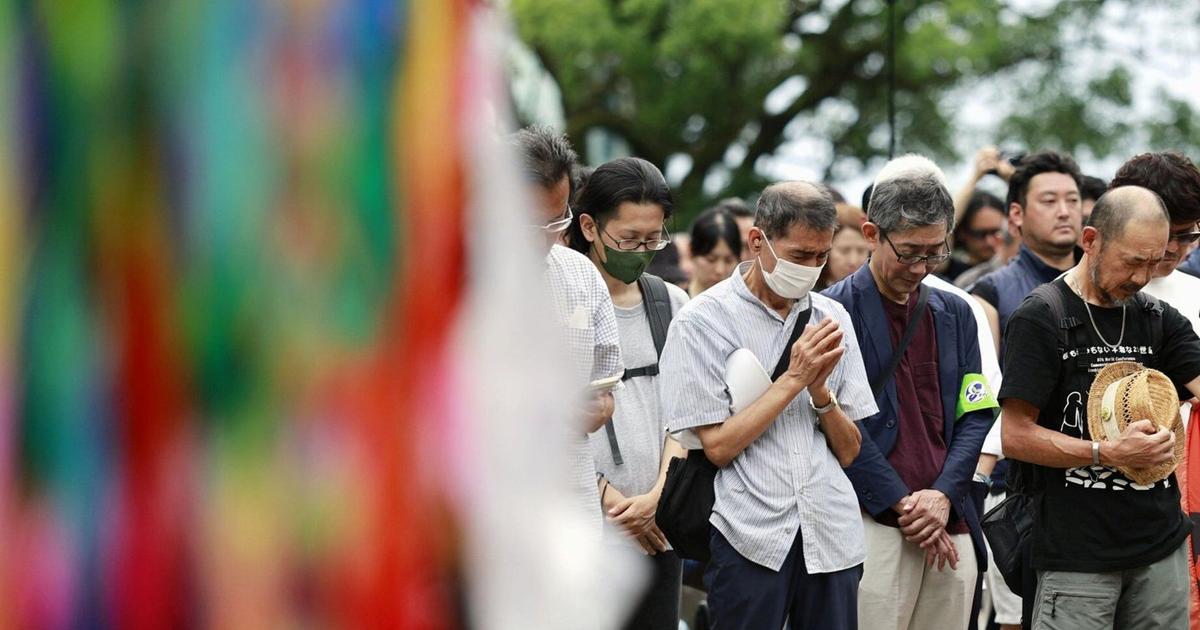
Taiwan's top economic representative in Japan recently decided to boycott the memorial event commemorating the 81st anniversary of the U.S. atomic bombing in Nagasaki. The representative accused Nagasaki officials of being pro-China and disrespecting Taiwan. The representative, Lee Yi-yang, expressed his disappointment on social media, stating that the seating arrangements at the event undermined Taiwan's sovereignty and dignity. As a result, Lee and two of his deputies chose not to attend the ceremony, sending a lower-ranked official in their place. Nagasaki officials defended their seating arrangements, stating that the seats for Taiwanese officials were placed among other envoys without clear distinction from non-diplomatic guests. This incident highlights the complex diplomatic relations between Taiwan, Japan, and China.
The historical context of Japan's diplomatic ties with China and Taiwan further complicates the situation. Despite the normalization of diplomatic relations between Japan and China in 1972, Japan maintains close economic and trade ties with Taiwan through unofficial channels. The joint communiqué between Japan and China recognized Beijing as the official diplomatic partner, leading to the cessation of formal ties with Taipei. However, the economic and cultural exchanges between Japan and Taiwan continue to thrive, underscoring the nuanced relationship between the two sides. The recent incident at the Nagasaki memorial underscores the ongoing challenges in navigating diplomatic protocols and sensitivities in the region.
The annual memorial event in Nagasaki commemorates the tragic events of August 9, 1945, when the United States dropped an atomic bomb on the city, resulting in the deaths of 70,000 people. The ceremony brings together representatives from various countries and international organizations to honor the victims and promote peace. The boycott by Taiwan's representative sheds light on the complexities of diplomatic relations and historical grievances that continue to shape interactions between nations in the Asia-Pacific region. As tensions persist and geopolitical dynamics evolve, finding common ground and fostering mutual understanding remain essential for promoting peace and stability in the region.