China's Long March 7A Rocket Launch Failure: Implications and Investigations
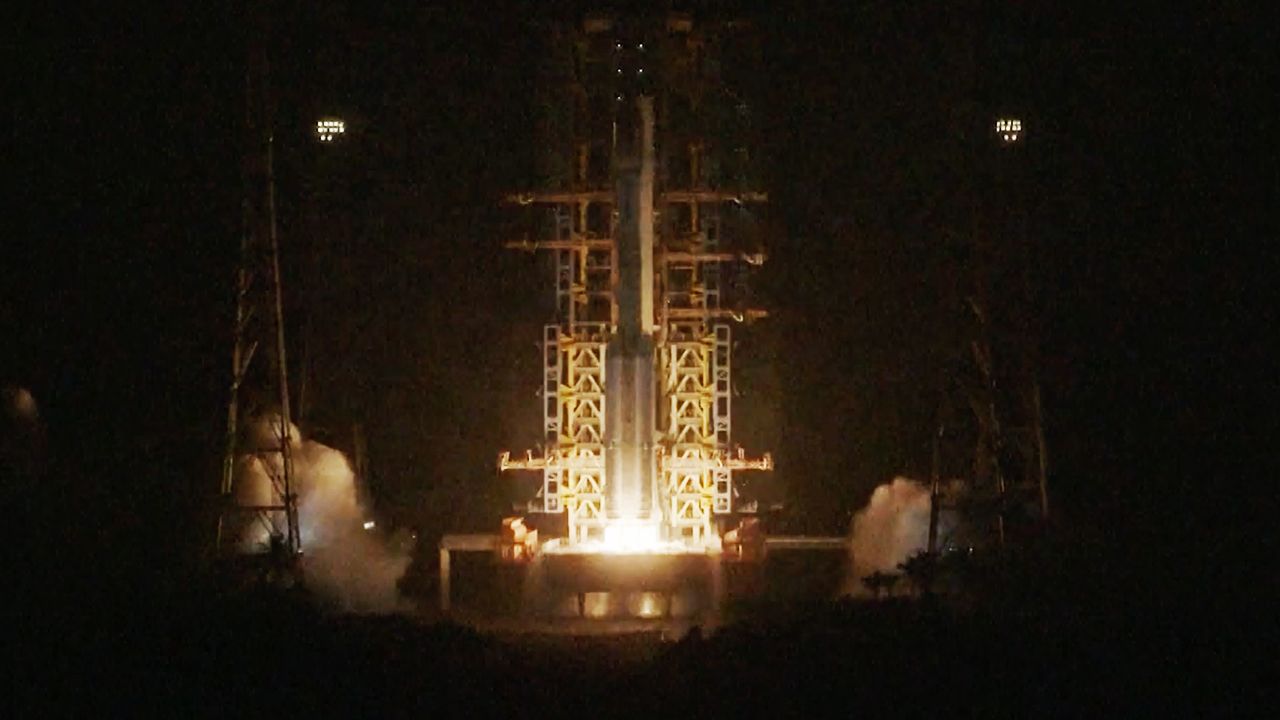
China experienced a failed rocket launch today, as the Long March 7A rocket exploded just 85 seconds after liftoff from the Wenchang Space Launch Site in Hainan province. The incident resulted in a massive fireball and cloud of smoke and debris, with onlookers capturing the moment on social media. The mission is expected to be classified as a complete failure, with the loss of both the vehicle and payload.
This launch marked the 18th Long March 7A mission since its debut in 2020, with a previous failure attributed to an engine malfunction. However, today's incident occurred early in the flight, during the main stage's initial engine burn. The Long March 7A rocket is part of China's Long March 7 family and is designed to launch up to 7 tons to geostationary transfer orbit.
The payload for today's failed launch was the Zhongxing-4B spacecraft, a communications satellite likely intended for geostationary transfer orbit. The Zhongxing satellites provide telecommunications and internet services, including potential military applications. The repercussions of this explosion on future launches, such as the upcoming Zhuque-3 rocket liftoff, remain uncertain. The investigation into the cause of the failure could potentially impact future launch schedules, including cargo deliveries to the Tiangong space station.
In conclusion, China's failed rocket launch of the Long March 7A today has raised concerns about the impact on future missions and the investigation into the cause of the explosion. The incident highlights the risks and challenges of space exploration and the importance of thorough safety protocols in rocket launches.