Legal Battle Over Trump's Proposed Ballroom: National Security vs. Congressional Approval
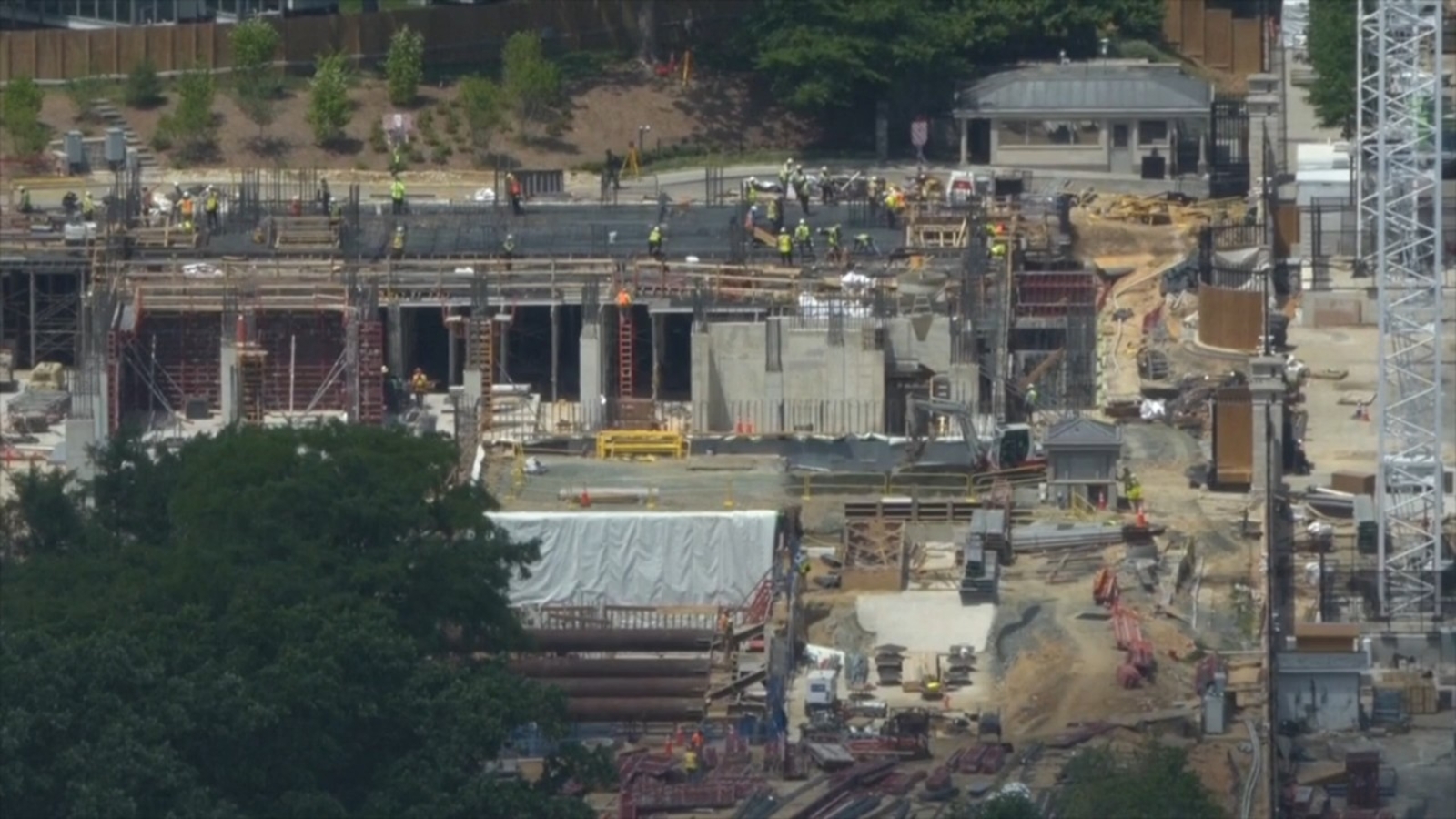
A federal appeals court has blocked the construction of President Donald Trump's proposed $400 million ballroom, citing legal challenges to the project. Despite the ruling, Trump insists that the ballroom is crucial for national security and plans to appeal the case to the U.S. Supreme Court.
The court rejected the administration's argument that the ballroom is necessary for national security and emphasized that the president cannot make significant changes to the White House without congressional approval. The judges criticized the administration's assertion that the Executive can act without regard for the law.
While the district court judge initially halted the construction of the ballroom, work related to security features has been allowed to proceed. Trump has outlined various security features for the project, including bomb shelters, medical facilities, military-grade structures, and drone-proof ceilings.
Despite the legal challenges, Trump remains committed to the construction of the ballroom, citing the need to protect future presidents and enhance national security. The administration will continue work on the underground security features of the project while the legal battle over the main building continues.
The Supreme Court is expected to hear the case, but the outcome remains uncertain. Judges emphasized that national security concerns do not exempt the Executive from following the law and that Congress should have the final say on major changes to the White House. Trump, however, argues that as the president, he has the right to improve and secure the White House without congressional approval.
In conclusion, the legal battle over the construction of President Trump's proposed ballroom continues, with conflicting views on the president's authority to make changes to the White House. The outcome of the case will determine the future of the project and its impact on national security.