U.S. Postal Service's Financial Crisis: Implications, Solutions, and the Need for Congressional Action
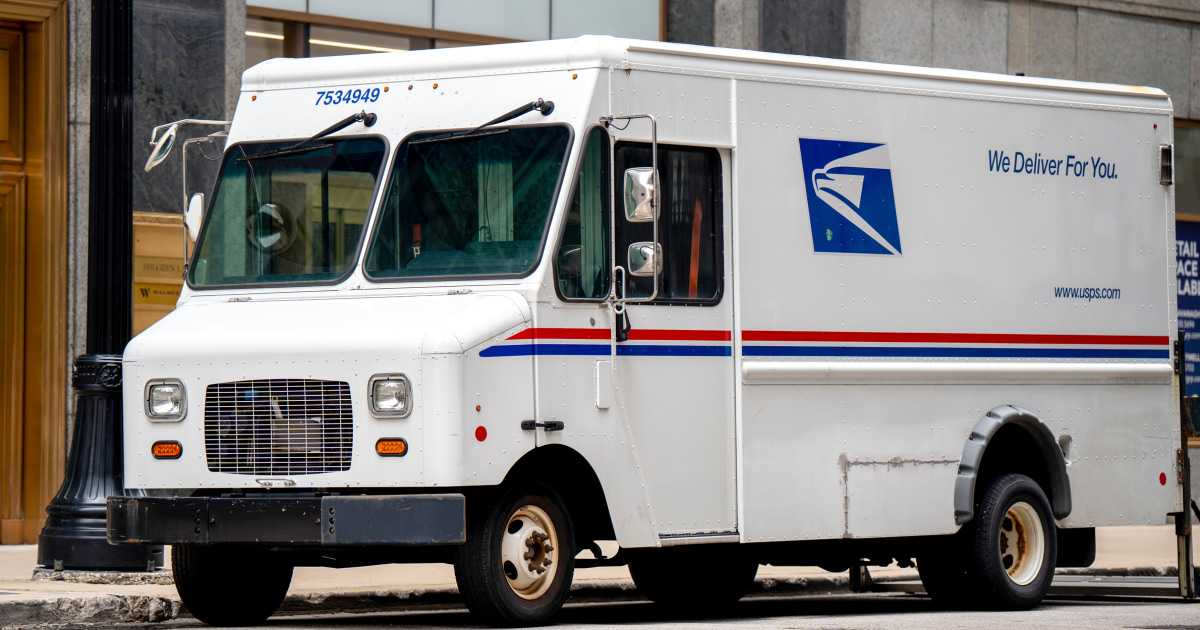
The U.S. Postal Service has announced a $2.5 billion net loss for the fiscal third quarter, a decrease from the previous year. Postmaster General David Steiner emphasized the need for congressional action to address the financial crisis, highlighting potential cost implications of new ZIP codes and proposing a stamp price hike in January. Without intervention, service levels may be impacted, including the closure of unprofitable post offices and price increases.
The Postal Service's financial challenges have prompted the hiring of restructuring advisers to devise solutions. A significant concern is the cost of delivering to 170 million addresses six days a week, with 70% of routes operating at a loss. Additionally, a majority of the 18,000 Post Offices are not profitable. The decline in first-class mail volume due to digital communication has contributed to the agency's financial struggles.
Since 2007, the Postal Service has accumulated net losses exceeding $120 billion. Measures such as suspending non-essential spending and temporarily halting employer payments for a federal pension program have been implemented to mitigate financial strain. The price of first-class mail stamps was raised to 82 cents in July to generate additional revenue.
In conclusion, the U.S. Postal Service faces significant financial challenges that require immediate attention from Congress. Without intervention, service adjustments and cost-saving measures may be necessary to ensure the agency's sustainability. Addressing the root causes of the financial crisis is crucial to safeguarding the Postal Service's operations and maintaining its essential role in the nation's communication infrastructure.