Navigating the Strait of Hormuz: Geopolitical Significance and Global Implications
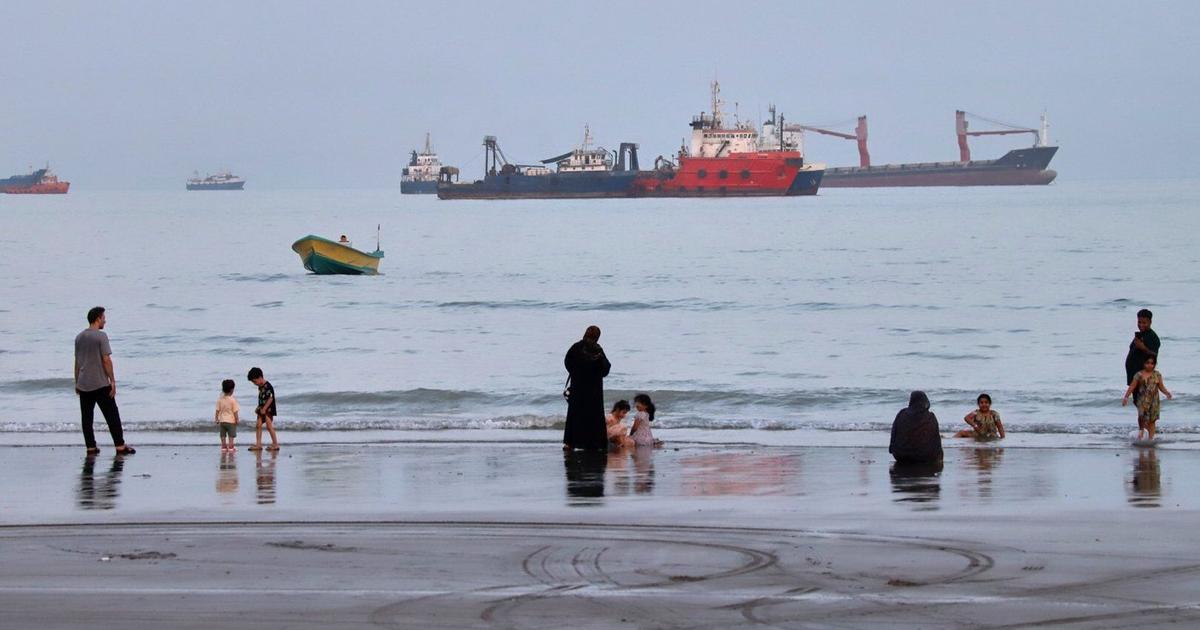
The Strait of Hormuz, a strategic waterway in the Middle East, is believed to be named after a Zoroastrian deity engaged in a millennia-long battle with an adversary. This narrow passage is crucial for global oil transportation and trade, with commercial vessels often seen anchored in its waters off Bandar Abbas, Iran.
Iran's leaders perceive themselves as on the brink of a significant victory, unlike the deity in the ancient myth who had to endure a 9,000-year standoff. The country's strategic location along the Strait of Hormuz gives it a unique geopolitical advantage and influence over global energy markets.
The Strait of Hormuz serves as a critical chokepoint for oil tankers, with a significant portion of the world's oil supply passing through its waters. Any disruption in this region could have far-reaching consequences for global energy security and economic stability.
The United States and its allies closely monitor the situation in the Strait of Hormuz, given its importance for global energy security. Tensions in the region, often fueled by geopolitical rivalries and military posturing, can have a direct impact on oil prices and international relations.
In conclusion, the strategic significance of the Strait of Hormuz cannot be overstated, with its geopolitical importance extending far beyond the region. As a vital artery for global oil transportation, any disruptions in this waterway have the potential to reverberate across the world, affecting energy markets and international relations.