Discovering the Coffee Frog: A New Species in Costa Rica's Central Pacific Region
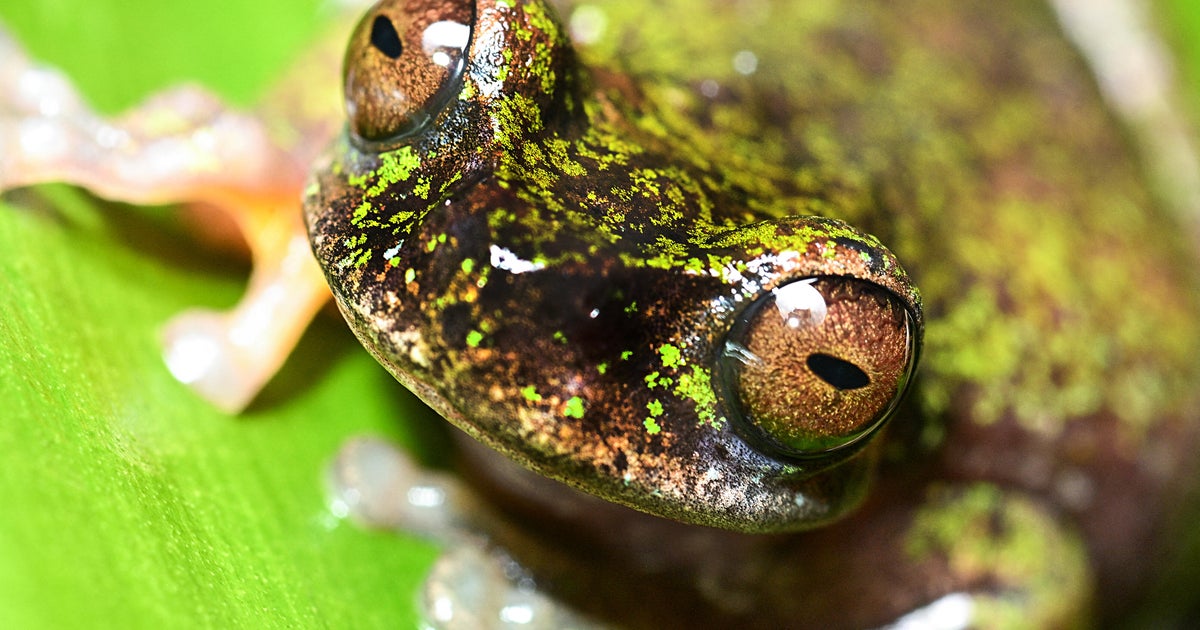
A small greenish frog that is active at night and thrives in coffee plantations has been discovered in Costa Rica's central Pacific region. Known as the "spring frog," this tiny amphibian measures less than 4 centimeters and is endemic to Costa Rica. Researchers from the University of Costa Rica and Argentina's National Council for Scientific and Technical Research confirmed the existence of this new species through genetic and morphological studies.
The "spring frog," also called the "coffee frog," has a unique characteristic where males have a translucent throat that inflates when they emit their short, high-pitched call. These frogs are often found perched on coffee shrubs at night, singing and looking for food. Despite living in coffee plantations, they do not feed on coffee berries but instead prey on small insects in the habitat.
However, the tiny frog faces risks from agrochemicals used in farming, particularly pesticides. These chemicals can travel through the air, seep into the soil, and ultimately enter aquatic systems where the frog tadpoles develop. In addition to pesticide exposure, the species is threatened by waste dumping, increased tourism, and habitat loss due to the encroachment of protected areas.
In conclusion, the discovery of this new frog species highlights the importance of conservation efforts to protect the biodiversity of Costa Rica's ecosystems. It is crucial to raise awareness about the threats facing these tiny amphibians and take measures to ensure their survival in their natural habitat.