Devastating Wildfire Forces Evacuation of Thousands in British Columbia's Okanagan Region
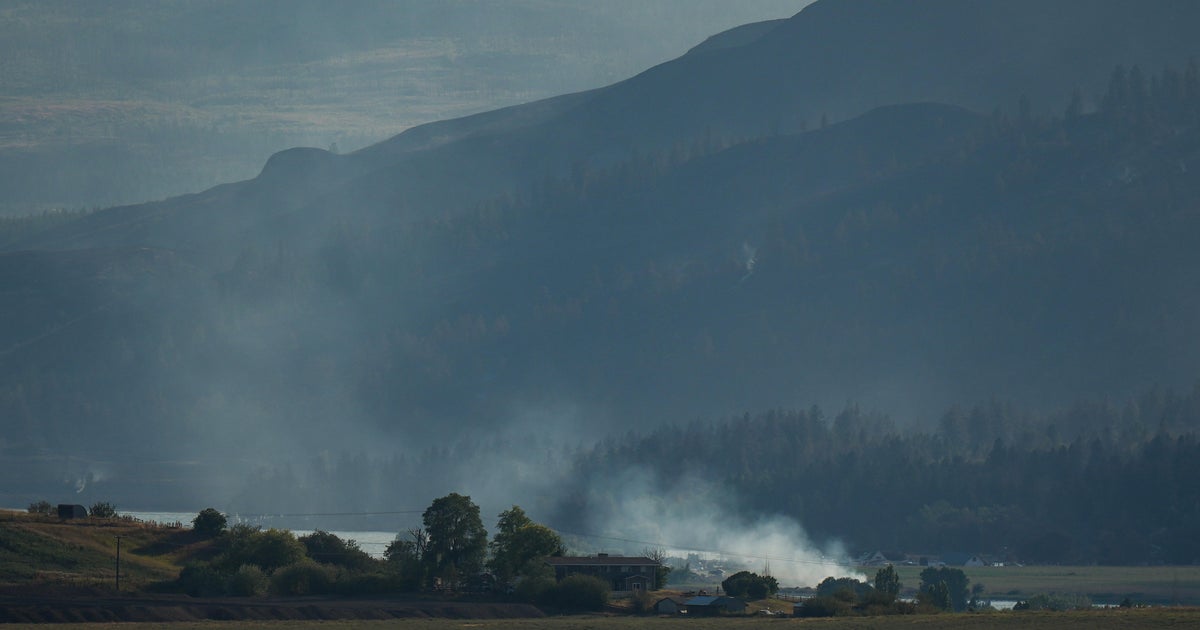
A wildfire in western Canada prompted the evacuation of over 20,000 people as it rapidly spread towards towns along British Columbia's Okanagan Lake, destroying homes in its path. The community of Summerland, with a population of about 12,000, and approximately 8,000 people in and around Peachland were ordered to evacuate. The wildfire, known as the Bald Range wildfire, grew to about 19 square miles within hours, reaching Summerland at an extraordinary speed.
Erick Thompson, an emergency official, described the wildfire as one of the fastest-moving and fastest-growing in the region. The situation escalated quickly, leading Thompson to evacuate his own family and leave the emergency operations center. The wildfire's rapid progression forced residents to flee their homes, with videos on social media showing multiple houses engulfed in flames as people evacuated along roads surrounded by fire.
Homeowners Kerry Gold and Mike Elsinga evacuated in the early hours of the morning after witnessing the flames spreading rapidly. Despite their preparations, including packing bags and making arrangements for their cat and a disabled friend, the couple expressed fear and concern about the speed at which the fire was moving. The destructive nature of the wildfire and the urgency of the situation forced many residents to prioritize their safety over their homes.
The wildfire season in Canada has become increasingly destructive in recent years, leading to mass evacuations and widespread smoke affecting large areas in both Canada and the United States. The impact of wildfires on communities and the environment underscores the importance of preparedness and swift response to mitigate the damage caused by these natural disasters. The safety and well-being of residents remain a top priority in the face of such emergencies.