Water Crisis in the West: Lake Mead Reaches Record-Low Levels Amid Drought
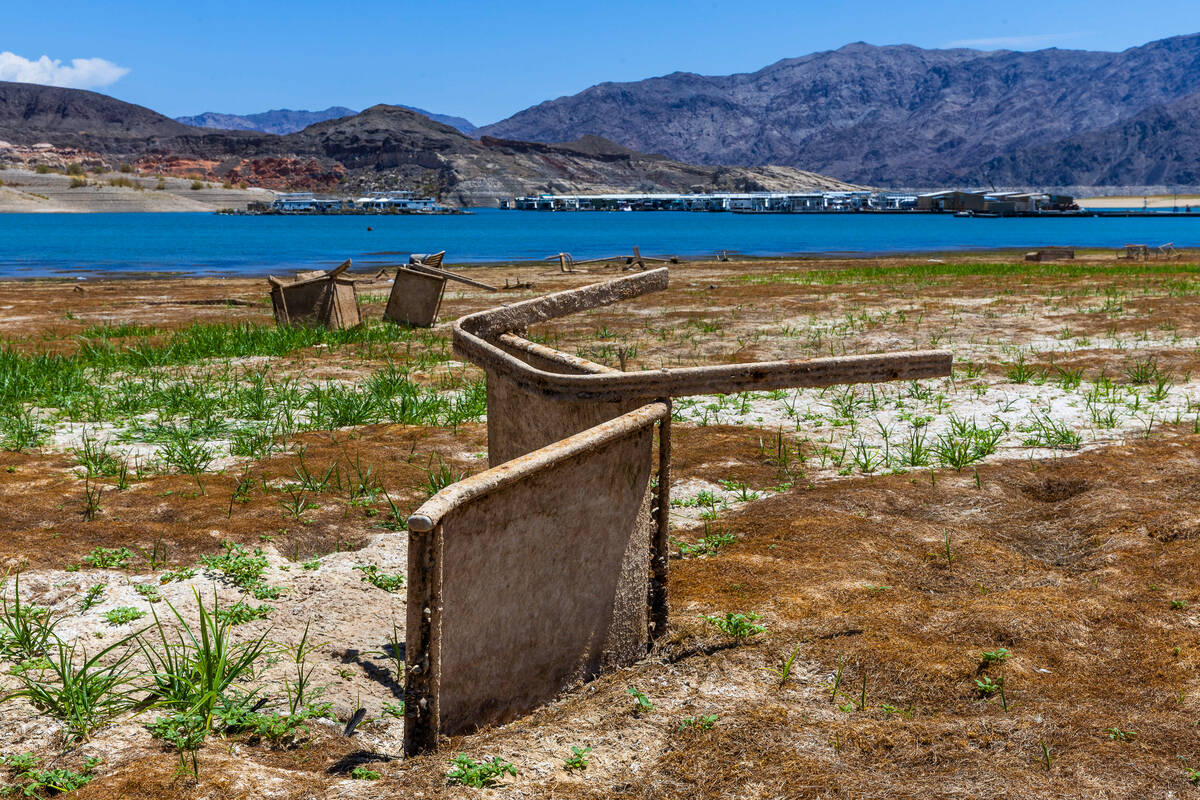
Lake Mead, the largest reservoir in the United States, has recently reached its lowest recorded level amid a severe drought in the Western region. On August 7, the lake dropped to a new record-low elevation of 1,040.5 feet, marking a continuous decline since July 31. The reservoir's water levels have been monitored since its initial filling in the 1930s, with the previous modern record-low set on July 28, 2022. Lake Mead serves as a crucial source of drinking water for approximately 25 million people within the Colorado River Basin, which caters to a total population of around 40 million individuals.
The Colorado River Basin, supplying water to seven Western states and Mexico, has been grappling with a prolonged drought spanning two decades. This extended dry spell has significantly diminished water levels in key reservoirs like Lake Powell in the upper basin and Lake Mead in the lower basin. The states of Arizona, California, Colorado, Nevada, New Mexico, Utah, and Wyoming heavily rely on the Colorado River for various purposes, including agricultural irrigation, municipal water supply, hydropower generation, recreational activities, and preservation of aquatic ecosystems.
Originating from the Rocky Mountains through rain, snowmelt, and runoff, water flows into the 1,400-mile-long Colorado River, traversing the iconic Grand Canyon before reaching Lake Powell, the second-largest reservoir in the system. However, reduced snowpack and diminished water inflow have strained the river's capacity to meet demand. Consequently, water is released downstream from Lake Powell to ultimately reach Lake Mead, where it is allocated to the lower basin states for consumption and other uses.
In response to the escalating water scarcity, groundwater extraction from aquifers has intensified as a supplementary water source. NASA reports indicate a significant depletion of both reservoirs and aquifers, totaling an estimated 13.7 trillion gallons of water lost since 2002. The recent record-low level at Lake Mead underscores the severity of the water crisis, prompting federal authorities to implement measures to address water shortages. These measures include reducing the allowable water withdrawals by states in the Colorado River's lower basin, affecting regions such as Arizona, California, and Nevada.
In conclusion, the critical situation at Lake Mead highlights the urgent need for sustainable water management practices and collaborative efforts to mitigate the impacts of the ongoing drought in the Western United States. The challenges posed by dwindling water resources underscore the importance of conservation, efficiency, and adaptive strategies to safeguard the region's water supply for future generations.