Supervised Drug Consumption Sites in New York City: Balancing Public Health and Community Concerns
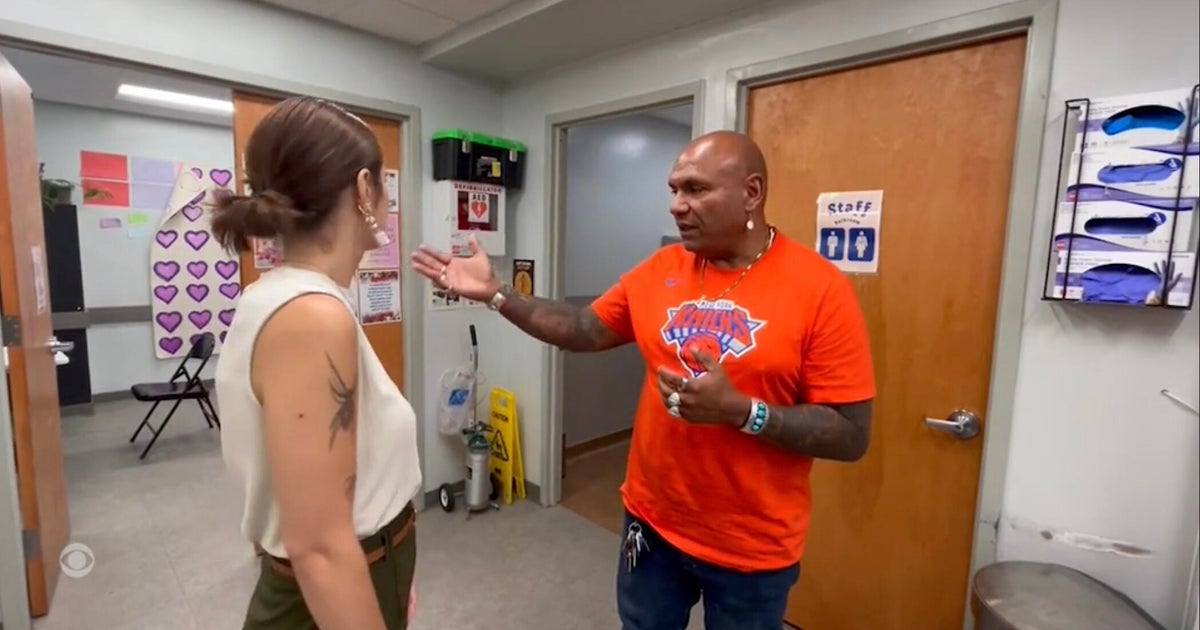
In a discreet location in northern Manhattan, individuals are engaging in supervised drug use, with designated areas for smoking crack and injecting heroin with clean needles. These facilities, known as overdose prevention centers (OPCs), aim to reduce overdose deaths and street drug use while providing healthcare services to drug users. Despite the positive impact claimed by supporters, critics argue that these centers attract drug users and dealers, making the local community feel unsafe.
New York City houses two OPCs, such as OnPoint NYC, which offers a range of services beyond supervised drug use, including medical care, addiction treatment, and wellness therapies like massage and acupuncture. While some residents appreciate the support provided by these facilities, others express concerns about the impact on their neighborhoods, citing increased drug activity and safety issues for children and families.
The harm reduction approach, which emphasizes non-judgmental support for drug users, has gained traction globally over the years. Supervised drug consumption sites, like those in New York City, have been established to address the rising overdose crisis and provide a safe environment for drug users. Despite ongoing debates about their effectiveness, these facilities have shown promising results in reducing overdose deaths and improving public health outcomes.
As New York City continues to evaluate the impact of supervised drug use facilities, data suggests a decline in overdose deaths in recent years, coinciding with increased investment in harm reduction strategies. While some researchers remain skeptical about the long-term benefits of OPCs, others believe that these centers play a crucial role in saving lives and promoting public health. The ongoing evaluation of supervised injection sites will provide further insights into their effectiveness and impact on communities.
In conclusion, supervised drug consumption sites like OnPoint NYC in New York City have sparked debates about their effectiveness and impact on public health and safety. While supporters highlight the benefits of reducing overdose deaths and providing essential services to drug users, critics raise concerns about increased drug activity and safety risks in local neighborhoods. As the city continues to assess the outcomes of these facilities, ongoing research will shed light on their role in addressing the complex challenges of substance use disorders and overdose prevention.