Navigating U.S.-Iran Relations: The Debate Within the GOP
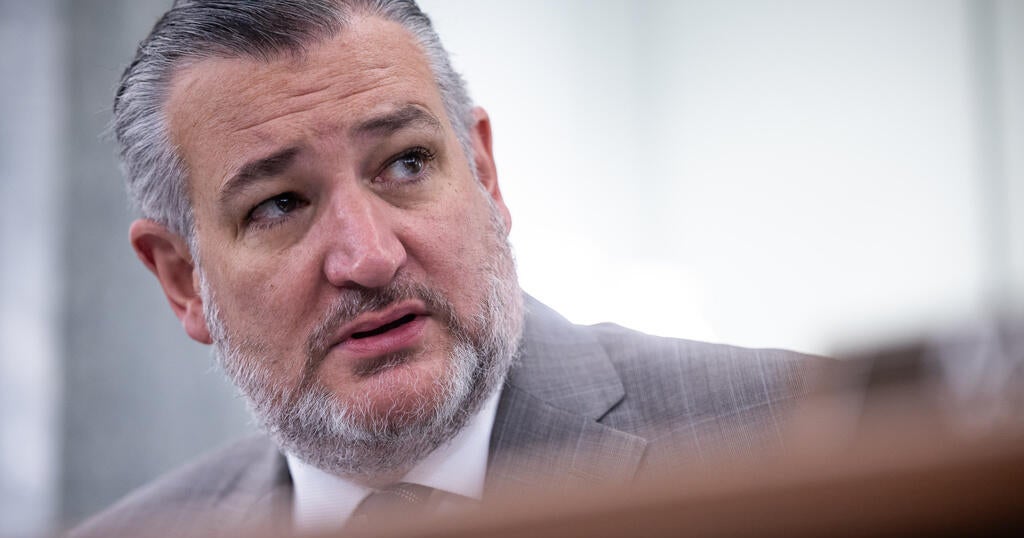
The ongoing conflict between the U.S. and Iran has prompted the Trump administration to seek a deal, while Senator Ted Cruz advocates for increasing pressure on Iran's regime, including arming Iranian dissenters. Cruz's push for arming protesters came after Iran's crackdown on demonstrations, leading to thousands of casualties. The U.S. and Israel initiated strikes against Iran, with Trump encouraging Iranians to overthrow their government. Despite attempts at diplomacy, agreements have faltered, and tensions persist between the two nations.
Cruz has been critical of diplomatic efforts towards Iran, labeling the memorandum of understanding as a "disaster" and cautioning against providing Iran with substantial financial relief. He advocates for maintaining economic pressure on Iran through military strikes and a blockade on Iranian ports. Cruz suggests arming Iranian protesters to facilitate regime change, emphasizing the importance of Iranians taking control of their country's future.
While Trump initially supported regime change in Iran, he has since shifted his stance. Cruz acknowledges the complexities of regime change but emphasizes the need for a non-Islamist leadership in Iran. The debate over Iran policy within the GOP highlights differing views on military intervention and negotiation strategies. Vice President JD Vance, a key figure in U.S.-Iran negotiations, has defended the administration's approach and criticized hawkish attitudes towards Iran.
The discord within the Republican Party regarding Iran policy underscores the challenges of navigating international relations and military intervention. While some advocate for a tough stance on Iran, others emphasize the importance of diplomatic solutions. The divergent perspectives within the GOP reflect broader debates on foreign policy and military engagement.