Cuba's Electricity Crisis: Navigating Blackouts and Economic Challenges
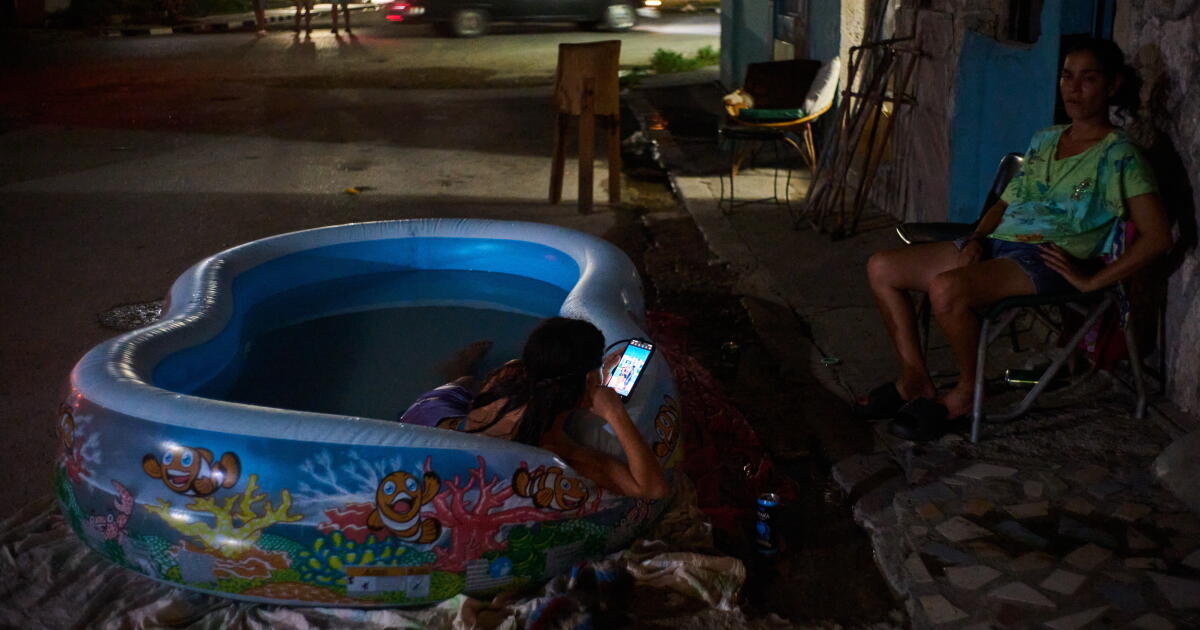
In Havana, Cuba, residents are facing severe electricity shortages, with blackouts lasting for days at a time. The power outages are a result of the oil blockade imposed by the Trump administration earlier this year. When the electricity comes back on, even for a short period, it is a moment of relief for many, allowing them to catch up on household chores and escape the heat.
The impact of the blackouts goes beyond inconvenience, affecting public transportation, cultural events, tourism, and the economy. With tourism companies pulling out and flights being canceled, thousands of hospitality jobs are left vacant. The shortage of medicine and food spoilage due to lack of refrigeration further exacerbate the crisis.
The situation has been deteriorating over the past five years due to a failing energy grid, U.S. sanctions, and unsuccessful economic reforms. President Trump's threats of tariffs on oil imports have added to the challenges faced by the Cuban people. Previously, scheduled blackouts provided some predictability, but now the outages can last for extended periods, plunging the entire island into darkness.
Cubans are finding ways to cope with the crisis, such as purchasing generators, solar panels, rechargeable fans, and solar-powered vehicles. Some have resorted to cooking over wood fires and stockpiling water in anticipation of future outages. The hardships faced by the population have led to protests in some neighborhoods and increased financial strain as inflation rises.
Despite the difficulties, Cubans like Caridad Delgado are trying to carry on with their lives, adapting to the new reality of frequent blackouts and limited resources. The situation remains challenging, with no immediate solution in sight for the electricity crisis in Cuba.