Analyzing the Impact of Wage Growth and Inflation on American Workers' Household Budgets
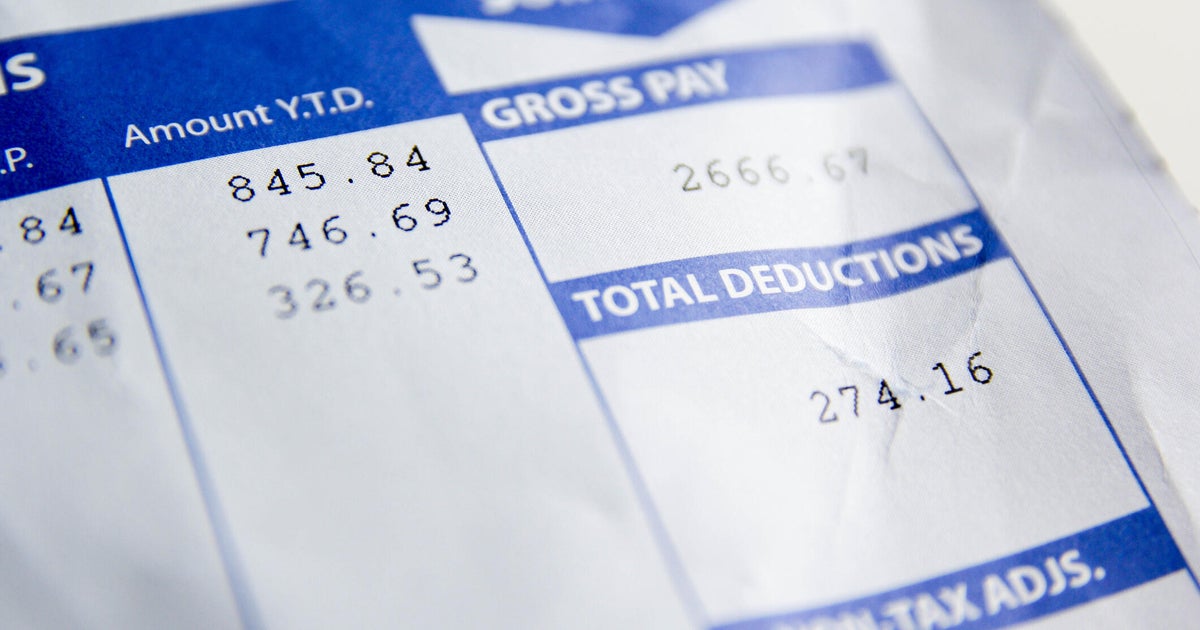
American workers have seen their paychecks increase at a faster rate since 2019 than in decades, with the typical full-time worker earning $1,250 a week in the first half of 2026, up $342 from before the pandemic. However, rising consumer costs have offset much of these gains, leaving workers with only about $70 more a week to spend in today's dollars, representing a modest increase of less than 1% per year.
This small gain in income may not have a significant impact on a typical family's budget, equivalent to just one gasoline fill-up for an SUV or less than a third of a week's grocery run for a family of four. The disparity between wage increases and inflation rates has led to a feeling of stagnation in household budgets across different administrations, with inflation peaking in June 2022 at 9%, the highest since 1981.
While some workers managed to outpace inflation, others barely kept up or fell behind despite rising paychecks. The distribution of wage increases varied across different occupations, with lower-paid workers experiencing some of the largest gains. For example, nursing and home health aides, childcare workers, and waiters saw their incomes rise by more than 10% over the seven-year period, partly due to factors like increased tips for waiters.
In contrast, teachers, especially elementary and middle school teachers, experienced a decrease in real wages, falling about 5% after adjusting for inflation. The disparity in wage growth was evident even among workers in similar salary brackets, such as registered nurses and police officers, with police pay increasing by nearly 10% after inflation while nurses' pay remained relatively stagnant.
Overall, the data highlights the complex relationship between wage growth and inflation, showing that while some workers have seen significant increases in their pay, others have struggled to keep up with rising costs, leading to a varied impact on household budgets.