Challenges Ahead: Impact of OBBBA on Free School Meals for U.S. Children
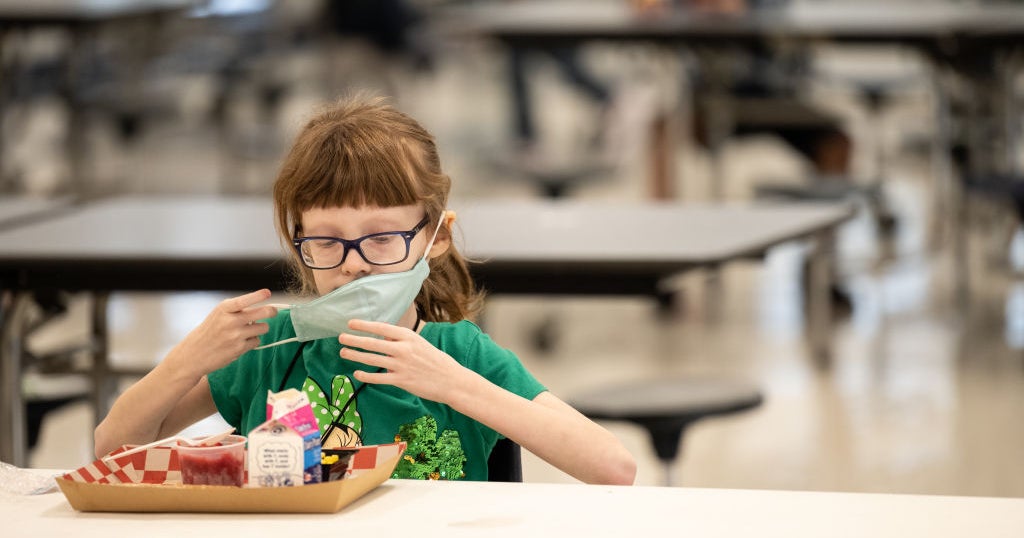
Changes brought about by the Republicans' tax-and-spending law, known as the "One Big Beautiful Bill Act," may result in fewer U.S. children having access to free school meals this academic year, as per food and public policy experts. The impact on school meal programs is a result of the OBBBA's modifications to the Supplemental Nutrition Assistance Program (SNAP), leading to a significant number of people, including children, losing food stamps since the law's enactment. This loss of SNAP eligibility can affect a child's access to free school meals in two ways, potentially impacting millions of students across the country.
Students in households receiving food stamps are automatically eligible for free school meals, but dropping off the SNAP rolls can end their eligibility for this nutrition aid. Additionally, a decrease in children receiving SNAP can prevent school districts from qualifying for the Community Eligibility Provision (CEP), which allows high-poverty schools to offer free meals to all students without individual applications. The potential consequences of these changes could mean that around 18.3 million students in the U.S. may lose access to free school meals, leading to increased financial burdens for families.
The Urban Institute's analysis indicates that a typical family with two school-going children could face an additional $2,200 in food costs this academic year without the benefit of free school meals. Already, the Miami-Dade School District in Florida has announced a reduction in its free meal program due to declining SNAP enrollment, highlighting the broader impact of the OBBBA on school meal programs. The potential ripple effect of these changes is a cause for concern among experts, as families may face difficult choices between essential needs like groceries, rent, medication, and utility bills.
Efforts are being made to mitigate the impact of these changes, with the Miami-Dade School District implementing a 30-day grace period to provide free lunches before transitioning to a paid meal system. While some students may still qualify for aid through individual applications, the process can be challenging for families, especially those with multiple income sources. The School Nutrition Association advocates for free meals for all students to address the gaps in the application process and ensure that children receive the necessary nutrition.
As the cost of food continues to rise, and with potential funding changes looming in the future, experts warn of further challenges in providing free school meals to students. The educational impact of losing access to free meals is also a concern, as research has shown a positive correlation between meal programs and academic performance. The evolving landscape of school meal programs underscores the importance of addressing food insecurity among children and families to support their overall well-being.