The Risks of Removing the Johnson Amendment: Safeguarding Church-State Separation and Democratic Values
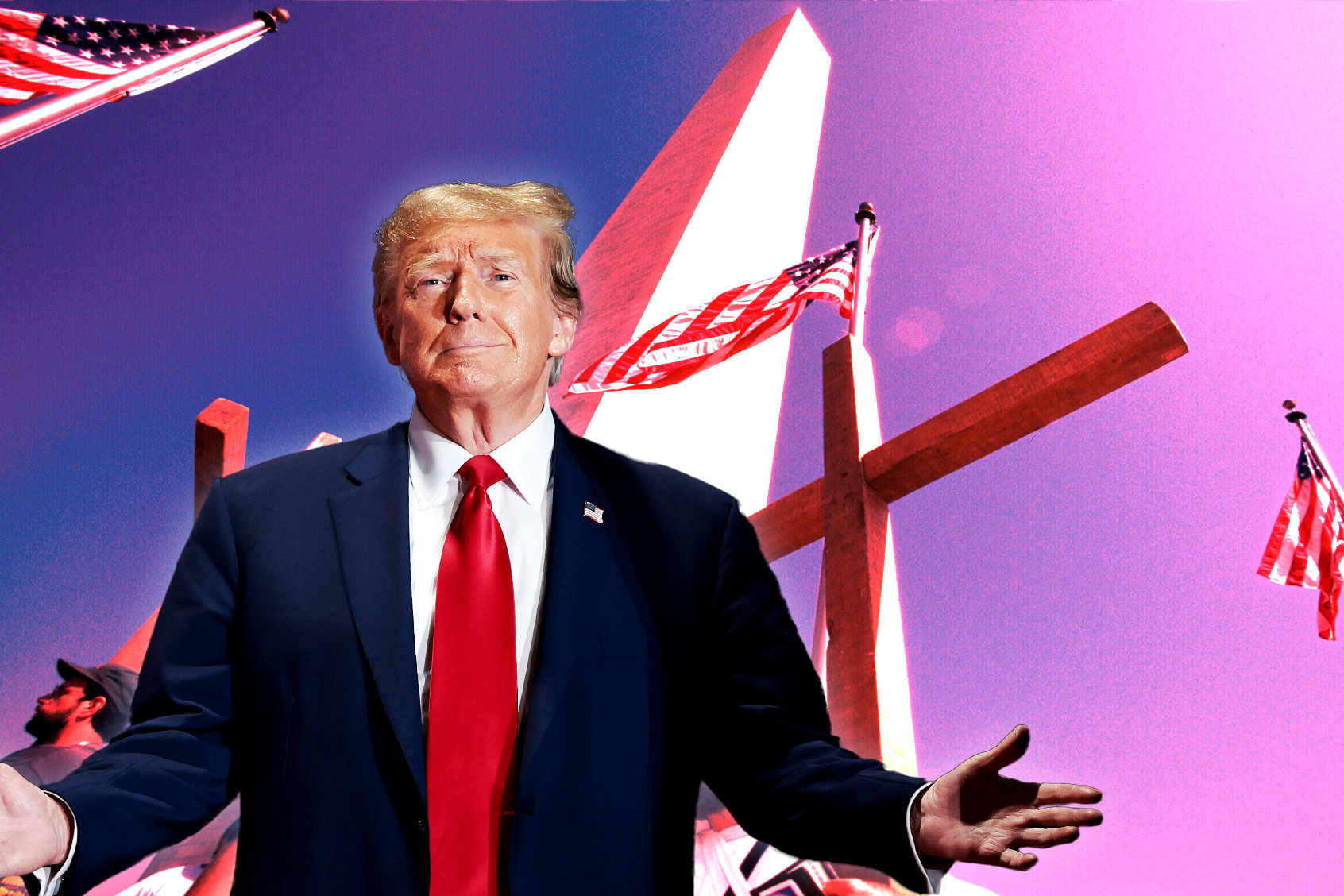
The Religious Liberty Commission recently submitted a report to President Donald Trump, advocating for the removal of the Johnson Amendment, which prohibits churches from endorsing political candidates. This amendment has been in place since 1954 to prevent tax-exempt organizations from engaging in partisan politics. The commission argues that this restriction infringes on religious freedom, but in reality, it safeguards the separation of church and state and prevents churches from becoming political action committees.
If the Johnson Amendment were to be voided, churches could endorse candidates, collect tax-deductible donations, and engage in political activities without transparency requirements. This would essentially turn every church into a political entity with significant influence and financial power. Over the years, some churches have already aligned themselves closely with political parties, leading to a decline in church attendance and a growing number of people identifying as religiously unaffiliated.
The commission's proposal goes beyond repealing the Johnson Amendment; it seeks to blur the line between church and state, advocating for a partnership that could potentially merge religious and political power. This convergence of state and evangelical Christianity could undermine democratic principles and lead to unchecked religious influence in politics. Without the Johnson Amendment, churches could become significant players in political campaigns, using their tax-exempt status to fund partisan activities.
The commission's push to dismantle the Johnson Amendment and establish closer ties between church and state raises concerns about the erosion of democratic values and the potential for religious institutions to wield disproportionate power in the political arena. By advocating for the removal of this crucial barrier between church and state, the commission risks undermining the fundamental principles of religious freedom and democratic governance. It is essential to maintain the separation of church and state to uphold the integrity of both institutions and protect the rights of all citizens.