Tragic Hudson River Helicopter Crash: The Impact of Bird Strikes on Low-Flying Aircraft
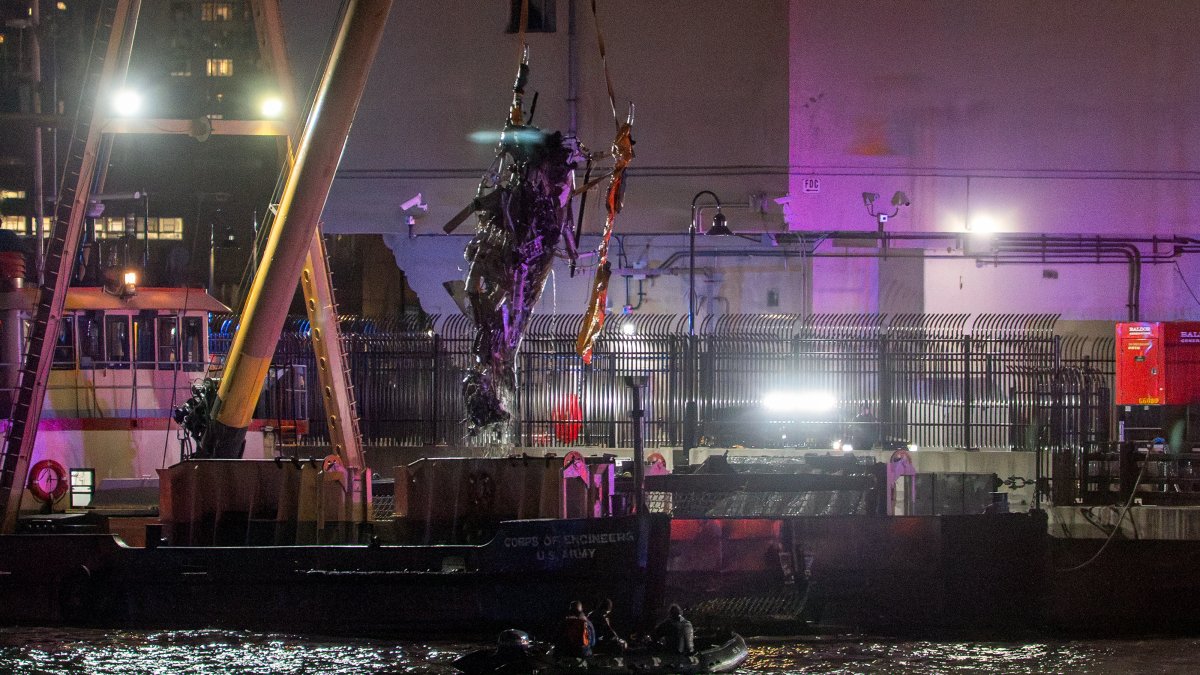
The wreckage of a sightseeing helicopter that crashed into the Hudson River in New York City last year resulted in the discovery of several geese remains, according to investigators. The National Transportation Safety Board reports released on Thursday indicated that the helicopter may have struck several birds before plunging into the river on April 10, 2025. Helicopters are particularly susceptible to bird strikes due to their low-altitude flying nature, making such incidents rare but potentially catastrophic.
Tragically, the crash claimed the lives of six individuals, including a Siemens business executive from Spain, his family, and the pilot. The victims were identified as Agustin Escobar, 49; Mercè Camprubí Montal, 39; and their three children, Victor, 4; Mercedes, 8; and Agustin, 10, along with the pilot, Seankese Johnson, 36, a U.S. Navy veteran who had obtained his commercial pilot’s license in 2023. The incident reignited safety concerns surrounding sightseeing flights and led to calls for stricter regulations on nonessential helicopter flights.
Since 1977, New York City has witnessed at least 38 fatalities in helicopter accidents, with notable incidents such as the 2009 collision between a plane and a tourist helicopter over the Hudson that claimed nine lives, and the 2018 crash of a charter helicopter offering "open door" flights into the East River resulting in five fatalities. The tragic events underscore the importance of ensuring safety measures and regulations in the helicopter tourism industry to prevent future accidents and protect passengers and crew.
In conclusion, the investigation into the Hudson River helicopter crash last year revealed the devastating impact of bird strikes on low-flying aircraft. The loss of six lives, including a family and the pilot, serves as a stark reminder of the risks associated with sightseeing flights and the need for enhanced safety protocols to prevent similar tragedies in the future.