Title: "Strait of Hormuz Crisis: Escalating Tensions and Global Implications
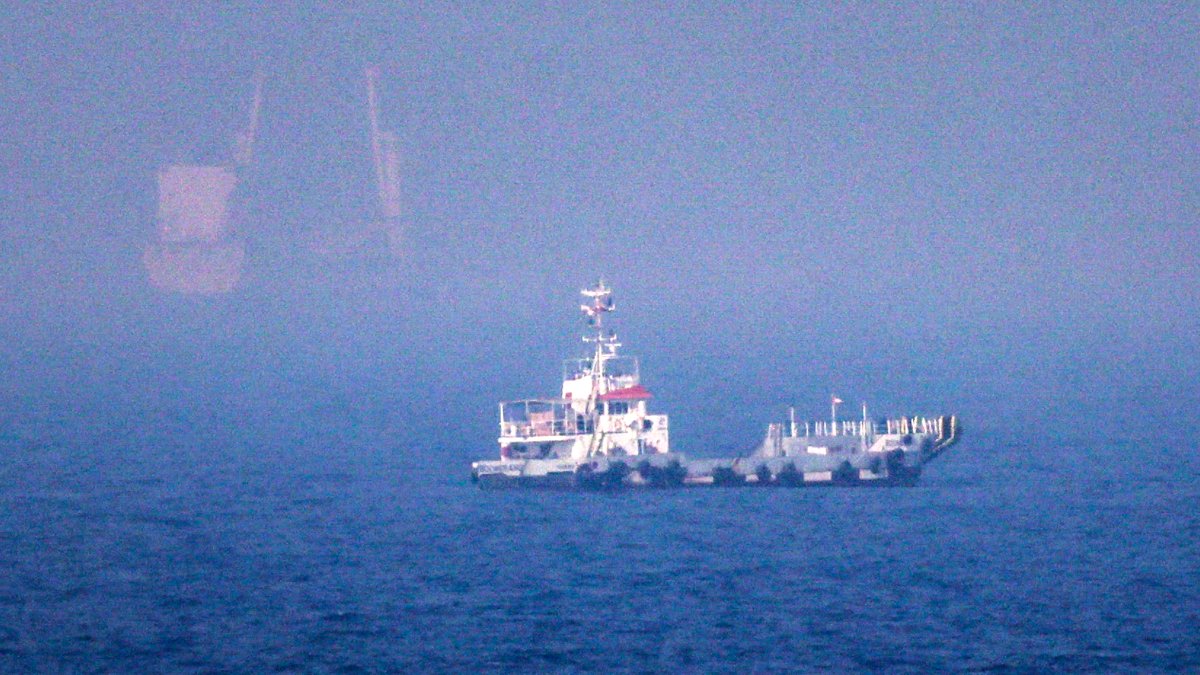
The United States initiated strikes on Iran following President Donald Trump's announcement of reinstating a blockade on Iranian ports and charging ships for passage through the Strait of Hormuz. Iran retaliated by attacking U.S. allies in the Middle East, leading to renewed conflict in the region. The interim deal aimed at reopening the crucial waterway and resolving the war has been shattered, raising concerns about a potential escalation to all-out war if a diplomatic resolution is not reached promptly.
The focus of the current conflict centers on the Strait of Hormuz, a vital passage for global energy supplies. Iran's actions during the war disrupted the flow of oil and gas through the strait, causing economic repercussions worldwide. Efforts to reopen the waterway have been hindered by Iran's attacks on ships passing through.
The U.S. military conducted strikes on Iran, targeting coastal defense systems, missile sites, and maritime capabilities. Iran acknowledged the strikes but did not provide casualty or damage assessments. In response, Iran launched attacks on Bahrain, Jordan, and Emirati tankers passing through the strait, resulting in casualties and damage. The situation escalated further as Bahrain and Jordan came under renewed attack.
The recent exchanges of fire have jeopardized the interim peace deal, which was intended to lead to a final accord addressing Iran's nuclear program and other issues. President Trump's decision to reinstate the Iranian blockade and impose fees for ship protection has further complicated the situation. The move deviates from previous U.S. policies on freedom of navigation and could escalate tensions in the region.
The potential imposition of fees by the U.S. or Iran for passage through the strait violates international norms and threatens to disrupt global economic stability. The rise in oil prices following the conflict underscores the far-reaching impact of the situation. Amidst these developments, negotiations between Lebanon and Israel mediated by the U.S. face challenges, with the agreement on the withdrawal of Israeli forces from southern Lebanon and Hezbollah's disarmament at a standstill.
The ongoing conflict in the region, particularly around the Strait of Hormuz, poses a significant threat to global security and economic stability. The need for a diplomatic resolution to de-escalate tensions and prevent further violence is paramount. Failure to address the root causes of the conflict could lead to dire consequences for all parties involved.