Strait of Hormuz Tensions: The Battle for Control and Global Implications
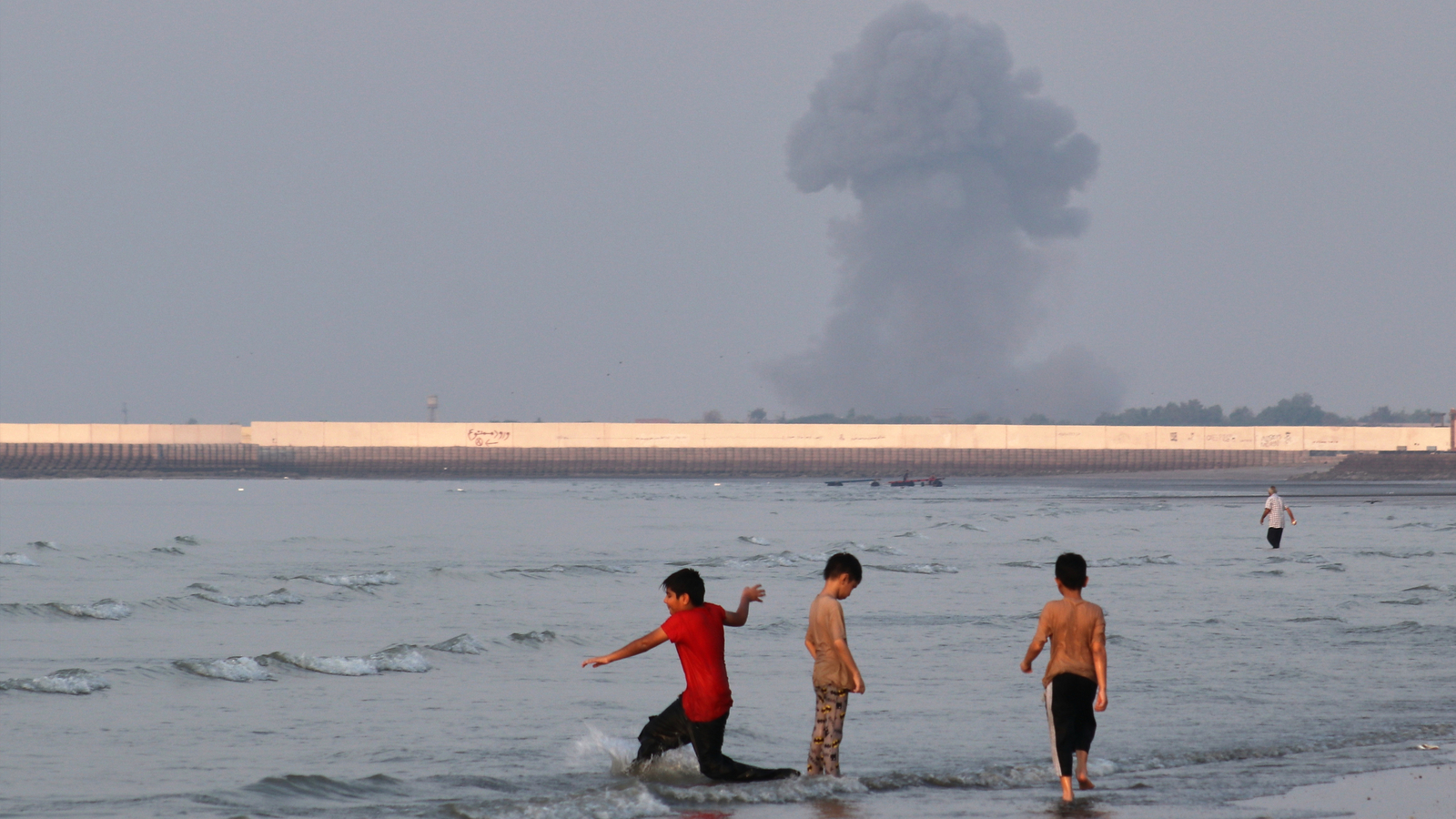
The control over the Strait of Hormuz was fiercely contested by the United States and Iran following a series of attacks in the Middle East. The attacks, including Iran's strike on a container ship in the strait, highlighted the strategic importance of the waterway for global trade. The ongoing conflict has raised concerns about the potential resumption of full-scale hostilities, prompting calls for de-escalation from world leaders.
The U.S. military conducted strikes on multiple sites in response to the attacks, targeting air defense systems, radar sites, and other military assets. The European Union and other international actors emphasized the need to keep the strait open for navigation and respect freedom of movement. However, Iran's Revolutionary Guard vehemently rejected foreign interference in what they consider their territory, leading to further tensions in the region.
The attacks extended beyond the strait, with missile alerts in Bahrain and Kuwait, and reports of strikes in various Iranian provinces. The conflict also spilled over into neighboring countries, with Jordan intercepting Iranian missiles and an Iranian Kurdish opposition group in Iraq coming under drone attack. The situation escalated as both sides engaged in retaliatory actions, threatening the fragile ceasefire and diplomatic efforts to end the war.
Despite diplomatic talks and mediation efforts by regional actors, the situation remained volatile, with Iran's new supreme leader vowing to avenge past actions. The uncertainty surrounding the control of the strait and the potential for further military confrontations underscored the challenges in reaching a lasting peace agreement. As the conflict continued to escalate, the international community remained on edge, hoping for a peaceful resolution to the crisis.