Navigating the Post-Graham Era: Challenges and Opportunities for the Republican Party
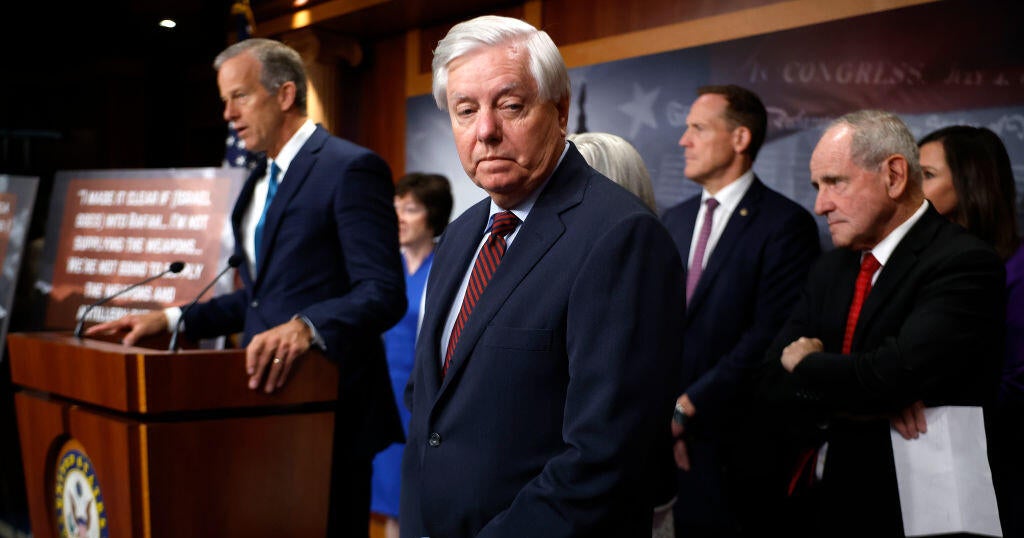
The recent passing of Senator Lindsey Graham has left a significant impact on the legislative agenda, as he played a crucial role as a mediator between the Senate and President Trump. The Republican Party is now faced with the challenge of navigating their priorities without Graham's influence. Funeral arrangements for the South Carolina lawmaker are pending, potentially disrupting the Senate's voting schedule before the August recess.
Graham's absence has created uncertainty around key legislative matters, such as rallying support for Todd Blanche, Trump's nominee for attorney general. With a narrow majority in the Senate, Republicans are facing challenges in confirming important appointments and passing crucial bills, including the defense policy bill. Graham's role in these discussions was pivotal, and his absence may complicate the process further.
The Senate is also grappling with the loss of Graham in planning a new spending package that includes a significant increase in defense funding amidst tensions with Iran. As the Budget chair, Graham was instrumental in leading these efforts, and his passing has left a void in the chamber's strategy. Senator Ron Johnson is poised to take over the Budget responsibilities, but his approach to fiscal matters differs from Graham's priorities.
Looking ahead, the Senate must consider the implications of Graham's absence in future leadership positions, such as the Judiciary gavel. The jockeying to fill Graham's role has already begun, with potential candidates vying for the opportunity. The GOP will need to organize a primary to select a replacement for Graham on the ballot in South Carolina, adding another layer of complexity to the situation.
In the midst of these transitions, Vice President JD Vance is engaging with House Republicans to encourage them to advance Trump's agenda and address internal disagreements. The House GOP is facing challenges in moving forward with legislative business, including the annual defense policy bill, as Senate Democrats express concerns about the Iran war and military funding requests. The political landscape is evolving rapidly, with Graham's absence reshaping the dynamics of legislative decision-making.