Debating the Morality of Executing Elderly Inmates: Florida's Controversial Cases
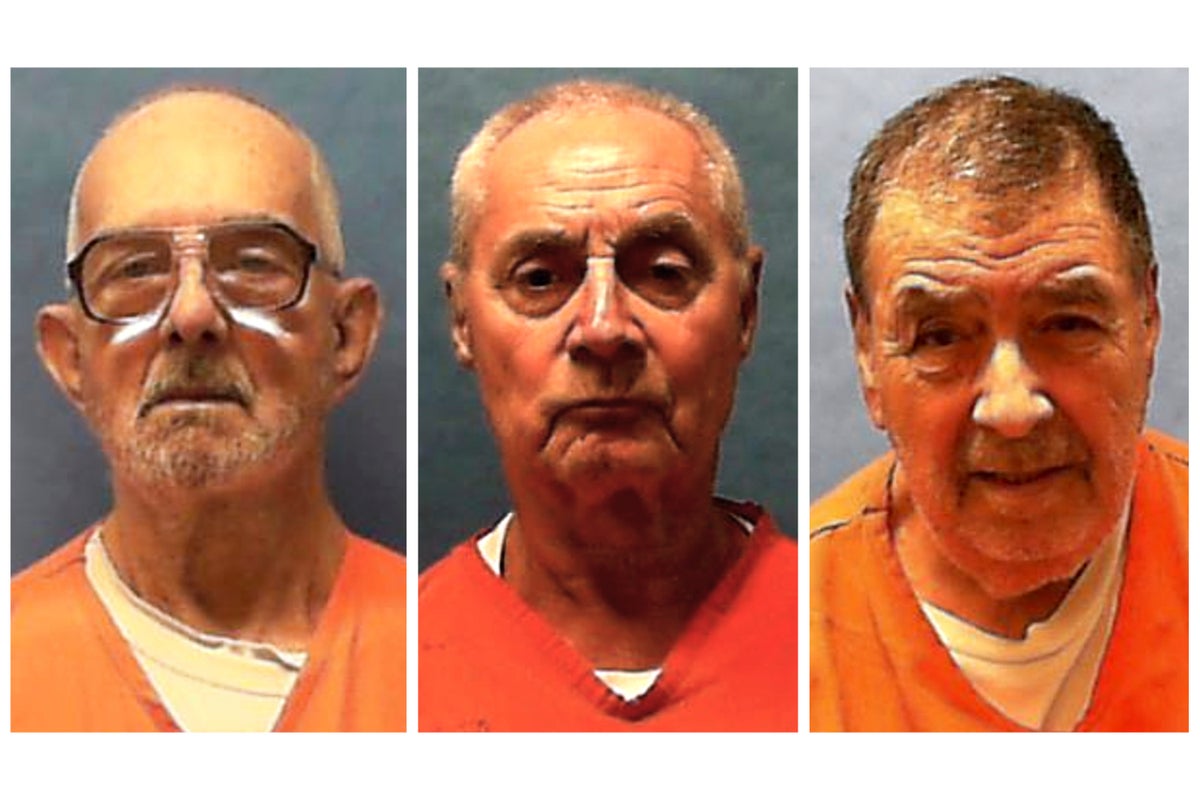
Florida is set to carry out the executions of two of its oldest death row inmates this month, following the recent execution of a 74-year-old man, the oldest in the state's modern history. This highlights a national trend of an aging death row population, sparking renewed discussions on the morality of capital punishment. One of the inmates, an 80-year-old man convicted of a 1986 double murder, could become the second octogenarian to be executed in the U.S. These cases raise concerns about the ethics of executing elderly individuals who may soon die of natural causes.
The impending executions have reignited debates on the humanity of capital punishment and the lengthy appeals process that can delay justice. Some question the intention behind executing frail and elderly individuals, while others, like Marilyn Gifford, whose sister's killer is scheduled for execution, see it as a long-awaited closure. The recent execution of a 74-year-old inmate in Florida and the upcoming execution of an 80-year-old inmate highlight the prolonged legal battles faced by death row inmates.
The scheduling of executions in Florida is primarily at the discretion of the governor, setting it apart from other death penalty states where courts typically make such decisions. Nearly half of Florida's death row inmates have exhausted their appeals, making them eligible for execution at any time. Governor Ron DeSantis, who oversaw a record number of executions in 2025, aims to bring justice to victims' families who have waited for decades. The average age of executed inmates in the U.S. has increased over the years due to the lengthy appeals process and mandatory reviews.
The aging population on death row raises concerns about executing elderly and medically frail individuals. Inmates like Dennis Sochor, 74, and Dominick Anthony Occhicone, 80, face health issues that complicate the execution process. While advanced age alone does not provide a legal basis for avoiding execution, inmates with medical conditions that could cause undue pain and suffering may be spared. Some inmates with dementia or serious health issues have avoided execution and later died of natural causes.
The upcoming executions in Florida shed light on the complexities of the death penalty system and the ethical considerations surrounding capital punishment. As the state prepares to execute its oldest inmates, the debate over the morality and humanity of administering death sentences to elderly and medically frail individuals continues.