U.S. Military's Strategy in the Strait of Hormuz: Leveraging Military Force for Diplomatic Goals
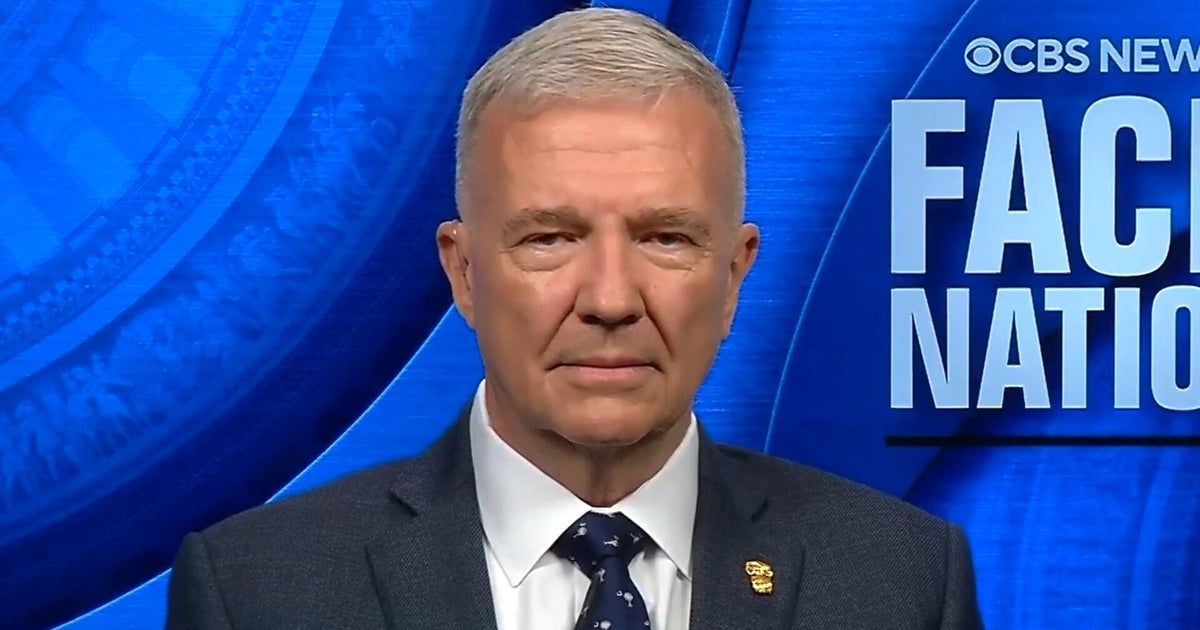
Retired General Frank McKenzie, former commander of U.S. Central Command, discussed the potential for the U.S. to control the Strait of Hormuz if diplomatic efforts fail. He highlighted the military capabilities available to achieve this goal, including opening the strait, maintaining access, and potentially seizing Kharg Island. The use of military force is seen as a way to pressure the Iranian regime to negotiate on key issues like ballistic missiles and support for proxies.
The U.S. military's ability to ensure freedom of navigation in the Strait of Hormuz is contingent on deploying all available capabilities. While the U.S. Navy may need to navigate narrow waters to achieve this, they are well-equipped for the task. The Iranian regime's focus on regime preservation necessitates direct pressure to elicit concessions, which could involve military actions to compel negotiations on critical issues.
The Iranian leadership's willingness to endure economic hardships and reject financial incentives from the Trump administration is not surprising given their historical negotiation tactics. Iran's tendency to prolong negotiations without addressing core issues requires a concerted effort to pressure them into meaningful discussions. The U.S. must be prepared to apply pressure on Iran to prompt movement on critical matters like the Strait of Hormuz and support for proxies.
Despite sporadic missile attacks on American partners and locations where U.S. troops are stationed, the Iranian response has not been as robust as anticipated. The ability of CENTCOM to mitigate these attacks reflects their effectiveness in countering Iranian threats. While attacks may persist, the U.S. must be prepared for potential casualties and damage as part of ongoing efforts to confront Iran and safeguard national interests.
General McKenzie praised Senator Lindsey Graham for his contributions to national security and his support for The Citadel, the Military College of South Carolina. Graham's dedication to public service and military advocacy exemplifies the concept of the citizen soldier, embodying the values of service and commitment to the nation. His role as a prominent figure in the national security arena and his support for educational institutions like The Citadel reflect his commitment to public service and military excellence.