Escalating Tensions in the Middle East: The Standoff Between the U.S. and Iran
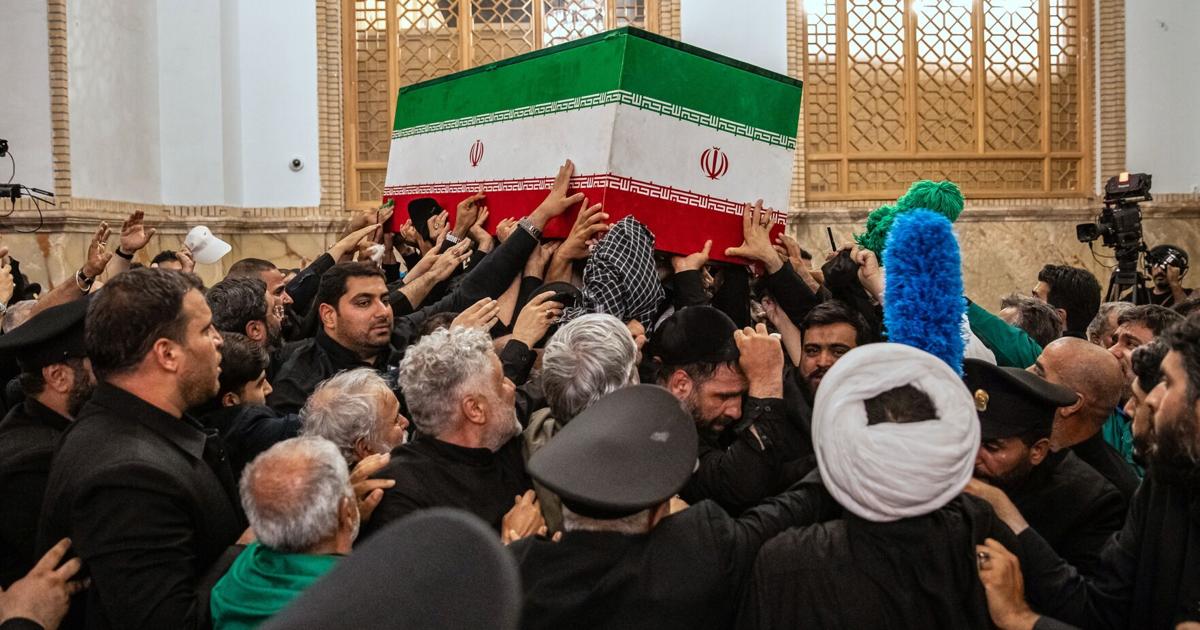
Following the funeral of Iranian Supreme Leader Ayatollah Ali Khamenei, tensions escalated in the Middle East as U.S. President Donald Trump issued threats against Iran. Trump demanded that Iran publicly declare the Strait of Hormuz open and ensure the safety of ships passing through the vital waterway. However, Iran insisted on controlling the route and charging fees for passage, leading to increased hostilities between the two nations.
The situation worsened as the U.S. conducted airstrikes on Iran in response to attacks on ships in the strait. Trump warned of further military action if Iran attempted to harm him or Israeli Prime Minister Benjamin Netanyahu. The conflict began with the assassination of Khamenei and continued with retaliatory strikes from both sides, causing casualties and disruptions in the region.
Despite efforts by Qatari mediators and diplomatic meetings, the standoff between the U.S. and Iran persisted. The U.S. officials emphasized the need for a swift resolution but acknowledged the challenges in reaching a deal with Iran. The control of the Strait of Hormuz remained a contentious issue, with Iran asserting its authority over the waterway and demanding compliance from other nations.
As the conflict unfolded, the U.S. officials outlined the potential consequences of failing to reach a nuclear deal with Iran. They highlighted the importance of Iran surrendering its enriched uranium stockpile and warned of military actions if necessary. The dispute over Iran's nuclear program and its activities in the strait continued to fuel tensions in the region.
In conclusion, the ongoing tensions between the U.S. and Iran following the death of Ayatollah Ali Khamenei have raised concerns about the stability of the Middle East. The conflicting demands regarding the control of the Strait of Hormuz and Iran's nuclear program have escalated the situation, leading to military threats and retaliatory actions. The efforts to negotiate a resolution face significant obstacles, highlighting the complex nature of the conflict and the challenges of reaching a peaceful agreement.