The Enigma of Mitch McConnell's Absence: A Reflection on Media Priorities and Political Speculation
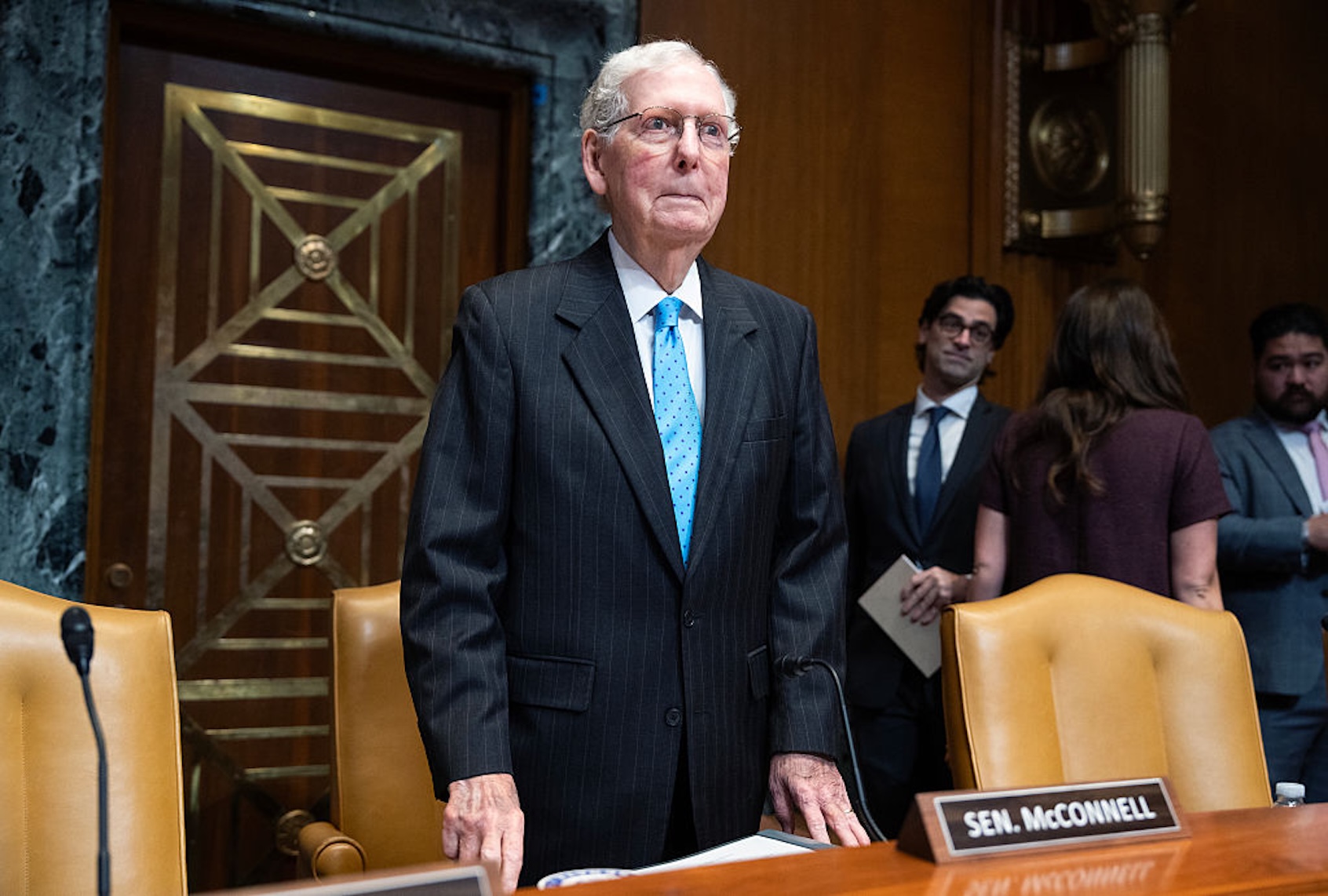
Mitch McConnell, the 84-year-old senior senator from Kentucky, is a key figure in the MAGA Republican Party and has played a significant role in shaping the current Supreme Court. Recently, McConnell has been absent from the political scene, reportedly receiving medical care in a D.C. area hospital. Despite the lack of information about his condition, there seems to be little interest in his well-being. The media is preoccupied with other stories, such as Donald Trump's controversial statements and actions, leaving little room for coverage of McConnell's situation.
While McConnell's absence raises questions, the media's focus remains elsewhere. Immigration and Customs Enforcement agents' fatal shooting of a Mexican national in Houston has received minimal attention compared to Trump's latest endeavors. Speculation about McConnell's health abounds, with conflicting reports and little concrete information available. The lack of investigative journalism and reliance on social media rumors contribute to the confusion surrounding McConnell's status.
The absence of concrete facts about McConnell's condition highlights the shortcomings of contemporary American media. With sensationalism and opinion-driven reporting overshadowing factual news, important stories like McConnell's health remain shrouded in uncertainty. The lack of in-depth reporting and investigative journalism allows speculation to thrive, creating a climate of misinformation and confusion.
As McConnell's absence continues, concerns about the potential implications grow. A law passed by Kentucky's legislature limits the governor's ability to appoint a temporary successor to McConnell's seat in the event of a vacancy. This legal scenario, coupled with the slim Republican majority in the Senate, underscores the significance of McConnell's absence and the potential impact on political decisions and control.
Despite the lack of clarity surrounding McConnell's situation, there is little urgency in the media to uncover the truth. The public's disinterest and media corporations' priorities contribute to the lack of coverage on McConnell's whereabouts. The absence of investigative reporting and the prevalence of opinion-driven content further obscure the facts, leaving the public in the dark about a significant political figure's well-being.
In conclusion, the mystery surrounding Mitch McConnell's absence underscores the challenges facing contemporary journalism and the public's disengagement with important political developments. The lack of investigative reporting and reliance on speculation highlight the need for a return to evidence-based journalism and a commitment to uncovering the truth behind significant stories. McConnell's situation serves as a reminder of the importance of factual reporting and the dangers of misinformation in today's media landscape.