The Ark Encounter: A Symbol of Creationist Resistance and Evangelical Identity
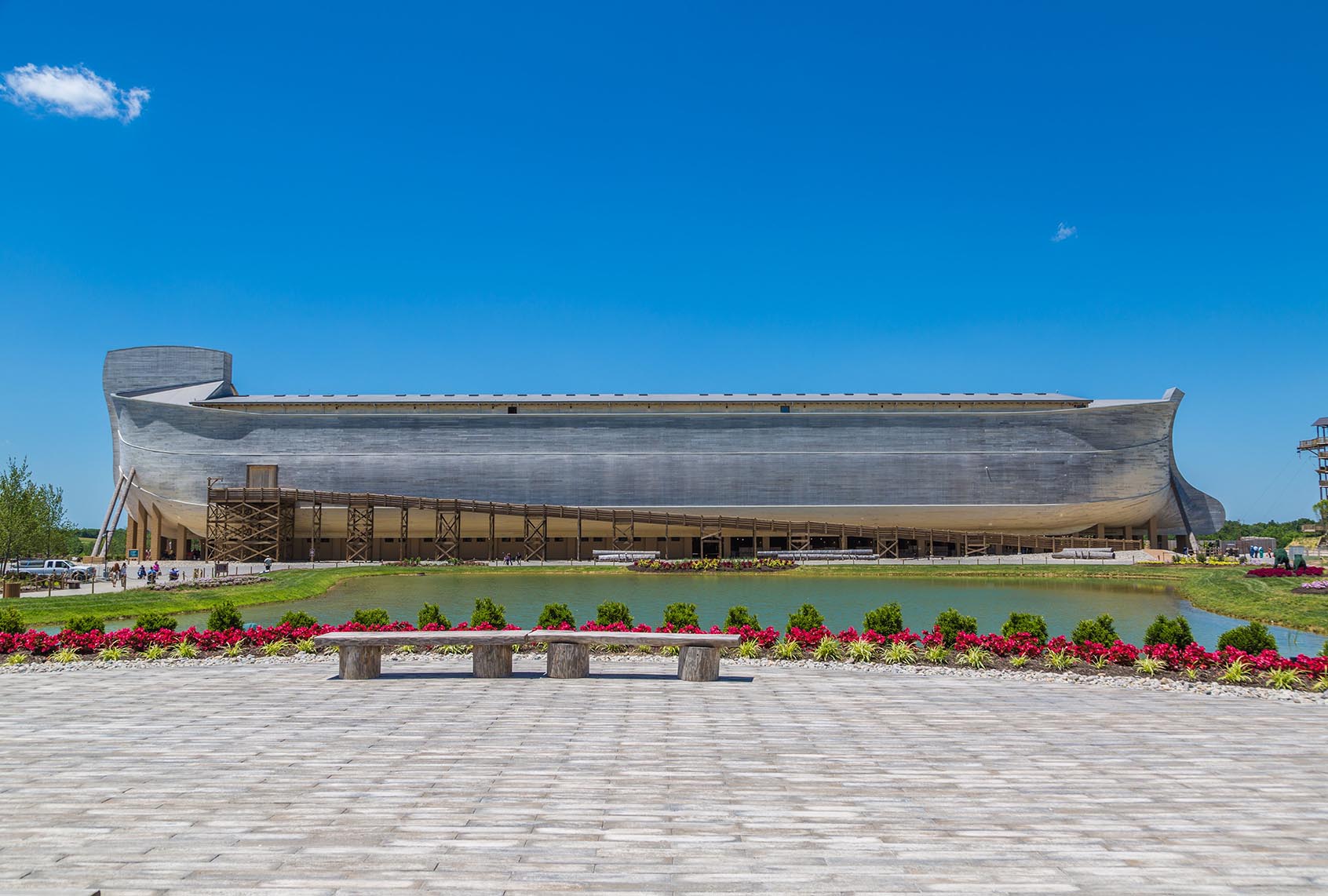
Creationism has not been a prominent topic in mainstream media in recent years, with the focus shifting to more direct demands from the right, such as book bans and restricting women's voting rights. Despite this shift, the Ark Encounter in Kentucky, a Christian-themed attraction featuring a replica of Noah's Ark, continues to draw visitors. The park serves as a platform for evangelical propaganda, reinforcing the belief in a young Earth and challenging evolutionary biology.
The Ark Encounter, along with the Creation Museum, aims to promote creationist beliefs and cater to the evangelical community. Despite declining visitor numbers, the park remains a symbol of resistance against what evangelicals perceive as a conspiracy against their religious views. The founder of the Ark Encounter, Ken Ham, reacted strongly to a reporter's coverage of the park's anniversary, highlighting the ongoing tension between creationism and mainstream science.
Creationists have faced challenges in pushing their ideology into public schools, as their arguments often lack scientific credibility. The debate between creationism and evolutionary biology has highlighted the fundamental differences in scientific evidence and religious beliefs. The Ark Encounter serves as a platform for evangelicals to reinforce their narrative of religious persecution in a secular world.
The persistence of creationism in the face of scientific evidence reflects a deeper cultural divide between evangelical beliefs and mainstream science. The promotion of creationist views, such as denying the existence of dinosaurs millions of years ago, serves to strengthen the evangelical community's sense of victimhood and tribal identity. Leaders of the Christian right use claims of persecution to unite their followers and maintain a sense of collective grievance.
In conclusion, the Ark Encounter and similar attractions continue to serve as symbols of resistance against mainstream science, promoting creationist beliefs and reinforcing evangelical narratives of religious persecution. Despite declining visitor numbers, these sites remain important platforms for evangelical propaganda and cultural identity. The ongoing debate between creationism and evolutionary biology reflects a deeper cultural divide between religious beliefs and scientific evidence.