President Trump's Removal of Election Assistance Commission Members: Implications and Controversies
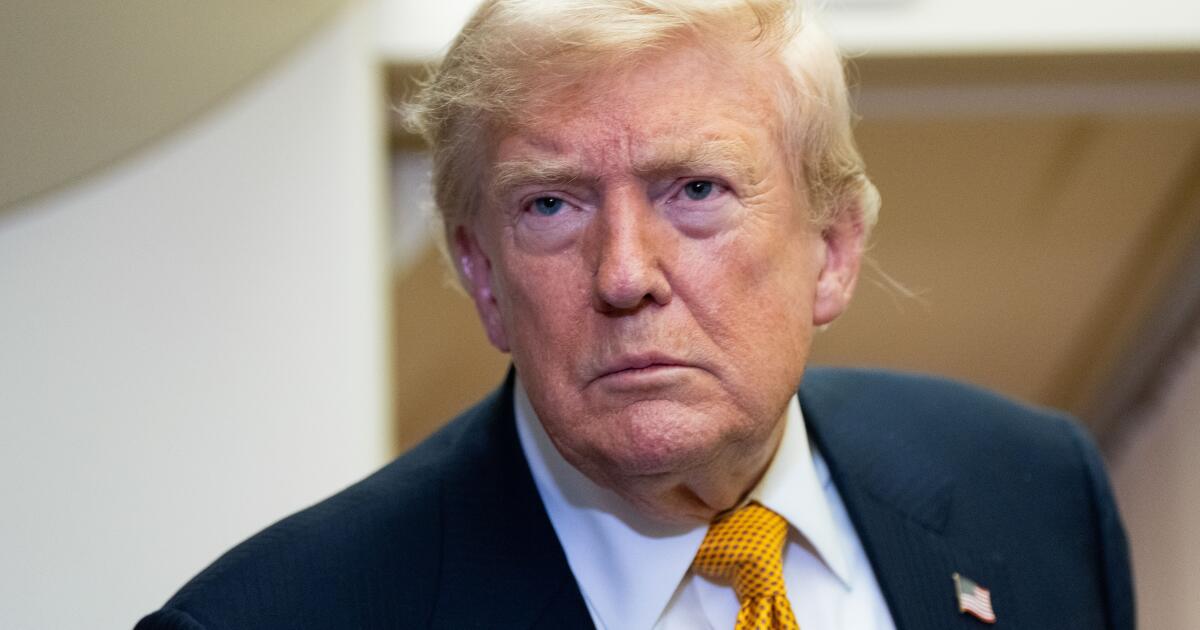
President Trump has recently taken action to remove members of the bipartisan federal Election Assistance Commission who have resisted his efforts to require voters to prove their U.S. citizenship before registering. This move is part of the president's broader strategy to increase White House influence over the conduct of U.S. elections. The White House confirmed the removal of the commission's Democratic members, Thomas Hicks and Benjamin Hovland, as well as the resignation of the Republican member, Christy McCormick. The changes were reported by VoteBeat, a news outlet covering elections in the U.S.
The commission, established as part of the Help America Vote Act in 2002, is responsible for distributing federal grants to states, overseeing voting system testing, and maintaining national voter registration forms. President Trump's decision to remove members who did not align with his views on election security and voter registration was supported by a recent U.S. Supreme Court ruling that granted him new authority to dismiss members of independent agency boards. The administration has not specified the reasons for the removals, but it is believed to be related to the commission's refusal to modify the national voter registration form to require proof of U.S. citizenship, as directed in a previous executive order.
The administration's actions have raised concerns about the potential impact on the commission's ability to fulfill its duties, especially with the upcoming midterm elections. It remains unclear whether President Trump intends to nominate new members or leave the positions vacant. The commission's role in overseeing the testing and certification of voting systems across the country could be affected by these changes. Despite the uncertainty, the White House emphasized its commitment to safeguarding elections from fraud and abuse through collaboration with agencies and local partners.
The removal of the commission members appointed by previous administrations underscores President Trump's efforts to shape election policies in line with his priorities. The bipartisan nature of the commission, with two Democrats and two Republicans, has been disrupted by these recent actions. The president's authority to dismiss members and potentially influence the commission's decisions has sparked debates about the balance of power in election management and oversight. As the situation unfolds, the implications for the commission's operations and its role in supporting state and local elections offices remain uncertain.
In conclusion, President Trump's decision to remove members of the Election Assistance Commission reflects his administration's ongoing efforts to assert control over election-related matters. The impact of these changes on the commission's functions and its ability to support election processes across the country remains to be seen. The administration's focus on election security and collaboration with various stakeholders underscores the importance of safeguarding the integrity of U.S. elections.