Geopolitical Tensions Drive Gasoline Prices Up: A Look at Recent Fluctuations in the U.S. Market
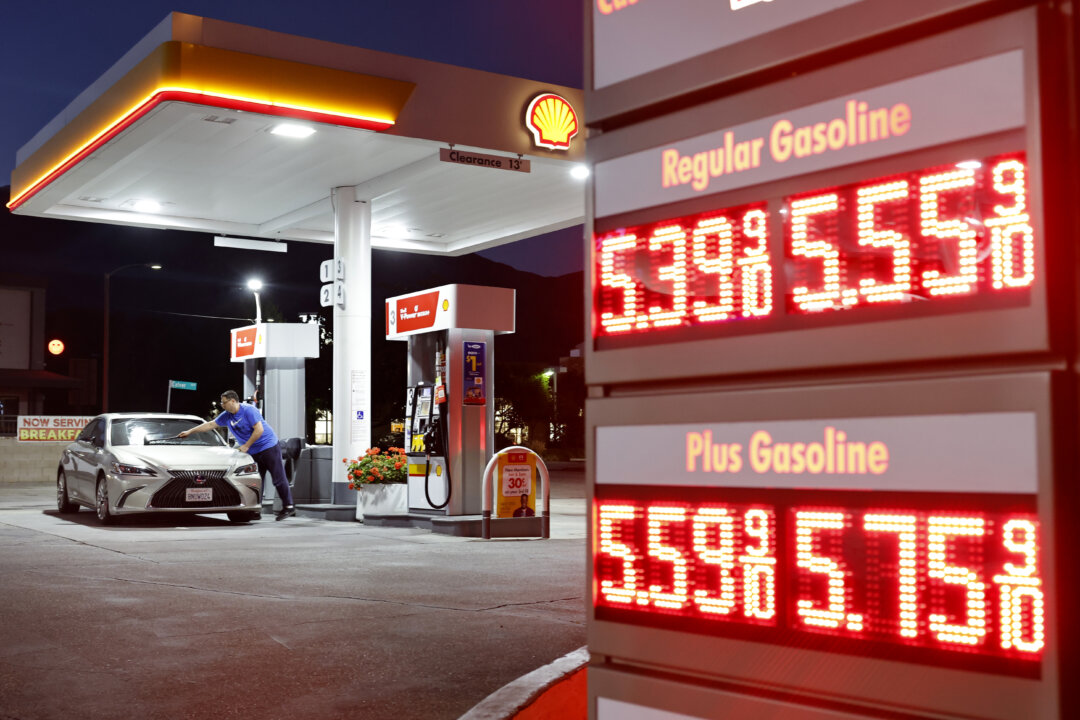
Gasoline prices across the nation saw an uptick on Thursday and Friday after a steady decline since late May, as reported by the American Automobile Association (AAA). The price for a gallon of regular gasoline increased by approximately 4 cents from $3.84 to $3.88 between Thursday and Friday. This rise followed a 5-cent increase from $3.79 to $3.84 between Wednesday and Thursday, according to AAA data. The recent surge in prices was attributed in part to renewed conflicts in the Middle East involving the United States.
AAA highlighted that crude oil prices are currently around $70 per barrel but could escalate if tensions persist in the Strait of Hormuz. Despite the recent increase, prices remain lower than the peak of $4.56 per gallon in the spring. A week ago, the average price for regular gas was $3.82 per gallon, while a month ago, it stood at $4.15, based on AAA figures. Diesel prices also rose by approximately 4 cents to $4.85 per gallon on Friday, significantly lower than the $5.30 recorded a month ago.
Hawaii and California had the highest gas prices on Friday, exceeding $5 per gallon. Other states like Washington, Alaska, Nevada, Oregon, Idaho, and New Mexico reported average prices of $4 or higher. Oil prices hovered around $75 per barrel of Brent crude on Friday, a decrease from the peak of $120 per barrel in May. Recent hostilities in the Strait of Hormuz led to U.S. forces striking Iranian military sites, with Tehran retaliating by attacking American military bases in neighboring Gulf countries.
President Trump announced the end of a months-long ceasefire with Iran but expressed willingness to engage in talks. The two nations had reached an interim deal last month to resolve conflicts, with Iran demanding control over approved routes in the Strait of Hormuz. The U.S. Central Command aimed to keep the strait open, while Iran insisted on reopening it on its terms. The escalation in tensions coincided with the burial of Ayatollah Ali Khamenei in Iran, marking the end of a week of funeral processions and rallies.
In conclusion, gasoline prices in the U.S. experienced a recent increase following a period of decline, influenced by geopolitical tensions in the Middle East. The fluctuation in prices reflects ongoing uncertainties in the oil market, with potential impacts on consumers and the economy. Stay informed about the latest developments to navigate the changing landscape of fuel prices effectively.