Plant-Based Proteins for Menopause: Supporting Health and Nutrition Through Tofu, Beans, Chia Seeds, and Almonds
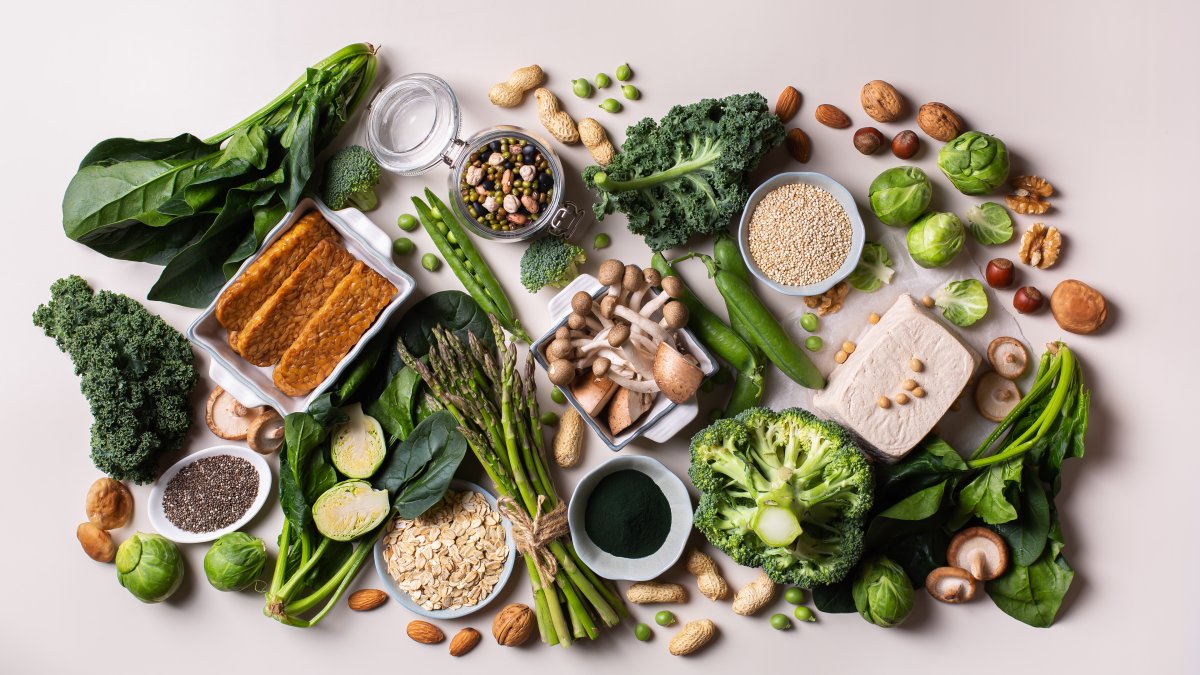
During menopause, your body undergoes changes that can impact your health and nutritional needs. Plant-based proteins offer unique benefits during this transitional phase, providing nutrients like antioxidants and fiber that can help reduce inflammation and keep you feeling full. Tofu is a top choice for plant-based protein in menopause, as it is rich in protein and calcium, which supports bone health. Soy-based foods, like tofu, can also help reduce hot flashes due to their phytoestrogen content.
Beans are another excellent source of plant-based protein and fiber, supporting gut and heart health while keeping you satiated. White beans, such as navy beans and cannellini beans, are particularly recommended for menopause as they are high in calcium and potassium, essential for bone health and blood pressure control. Incorporating white beans into salads, soups, or marinated dishes can be a tasty way to boost your protein intake.
Chia seeds are a powerhouse of protein, fiber, and magnesium, which are beneficial for heart and bone health. Their gelatinous texture makes them versatile for use in chia seed pudding or added to overnight oats. Almonds are not only a good source of plant-based protein and fiber but also contain vitamin E, known for its antioxidant properties and support for skin health. Snack on almonds or pair them with Greek yogurt for a nutritious breakfast option.
Incorporating plant-based proteins like tofu, beans, chia seeds, and almonds into your diet during menopause can help support muscle mass, gut health, and weight management. These nutrient-rich foods offer a variety of health benefits that are particularly beneficial during this stage of life. Consider adding these plant-based protein sources to your meals to promote overall well-being during menopause.