Challenges in Oversight: Concerns Over Immigration Detention Facility Inspections
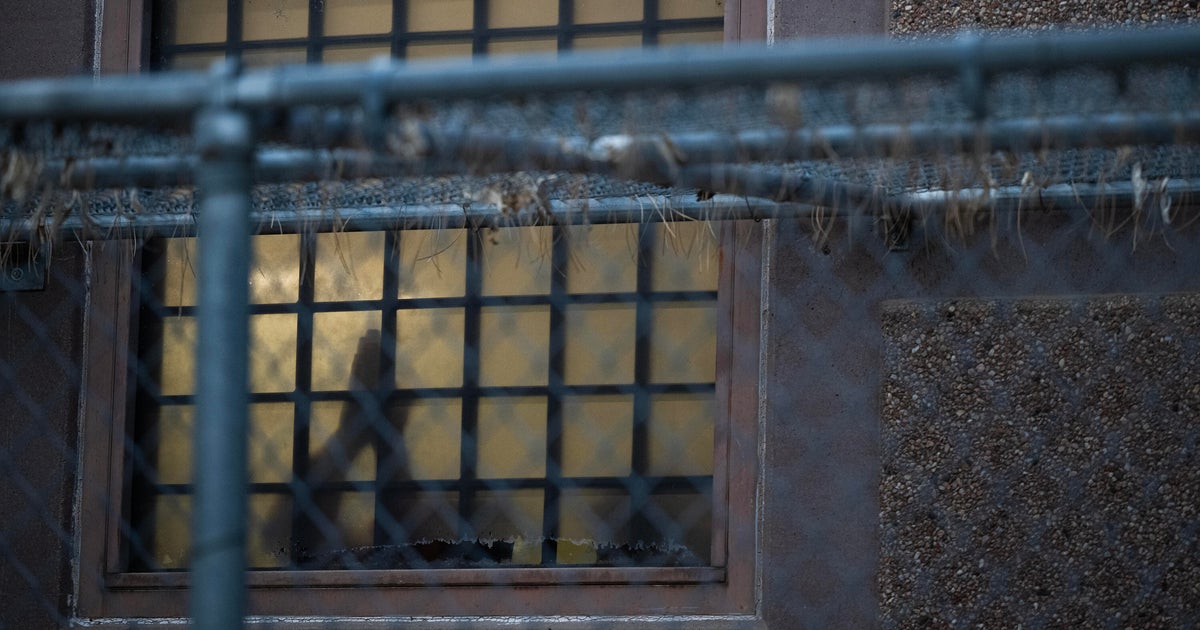
A recent analysis by CBS News revealed that 15 out of 45 immigration detention facilities holding 500 or more individuals had not been inspected in over a year, with five having no inspection records. This shift in Immigration and Customs Enforcement's inspection policies, from biannual to annual or biennial inspections, has raised concerns among experts about the oversight of detention facilities. The frequency of inspections plays a crucial role in identifying and addressing deficiencies in healthcare and other conditions within these facilities.
The surge in the detention population due to the Trump administration's deportation efforts has heightened concerns about conditions in detention facilities. Deaths in ICE custody reached a peak in 2020, and reports of spoiled food and inadequate medical care have sparked protests and hunger strikes. The inspection reports from ICE have consistently identified deficiencies in nearly 90% of the inspections conducted, ranging from inadequate suicide checks to food storage and incident reporting issues.
Following a 2018 report by a DHS watchdog highlighting the need for more frequent inspections, Congress increased funding to require biannual inspections by the end of fiscal year 2021. However, ICE shifted its inspection policy last year to conduct annual inspections on dedicated facilities and biennial inspections on non-dedicated facilities. This change has led to concerns about the effectiveness of oversight and accountability in ensuring compliance with detention standards.
Despite claims by ICE that facilities are held accountable for deficiencies, some facilities have accumulated multiple significant deficiencies without failing inspections. The decrease in the number of deficiencies per inspection since 2019 has raised questions about the effectiveness of the inspection process in maintaining detainees' health and safety. The reduction in oversight mechanisms and relaxation of detention standards have further fueled concerns about the well-being of individuals in detention.
The Department of Homeland Security's decision to cut oversight mechanisms and relax detention standards has drawn criticism from experts and advocates who fear the potential consequences of reduced accountability and oversight. The lack of independence for oversight bodies within ICE has also been cited as a barrier to conducting thorough and impartial inspections. The ongoing changes in inspection policies and standards have raised alarms about the conditions and treatment of individuals in immigration detention facilities.
In conclusion, the frequency and effectiveness of inspections play a crucial role in ensuring the well-being and safety of individuals in immigration detention facilities. The recent changes in inspection policies and oversight mechanisms have sparked concerns about the accountability and compliance with detention standards. It is essential to prioritize the protection of detainees' rights and address deficiencies in healthcare and living conditions to uphold humane treatment in immigration detention.