Urgent Water Crisis in Venezuela: Addressing the Aftermath of Recent Earthquakes
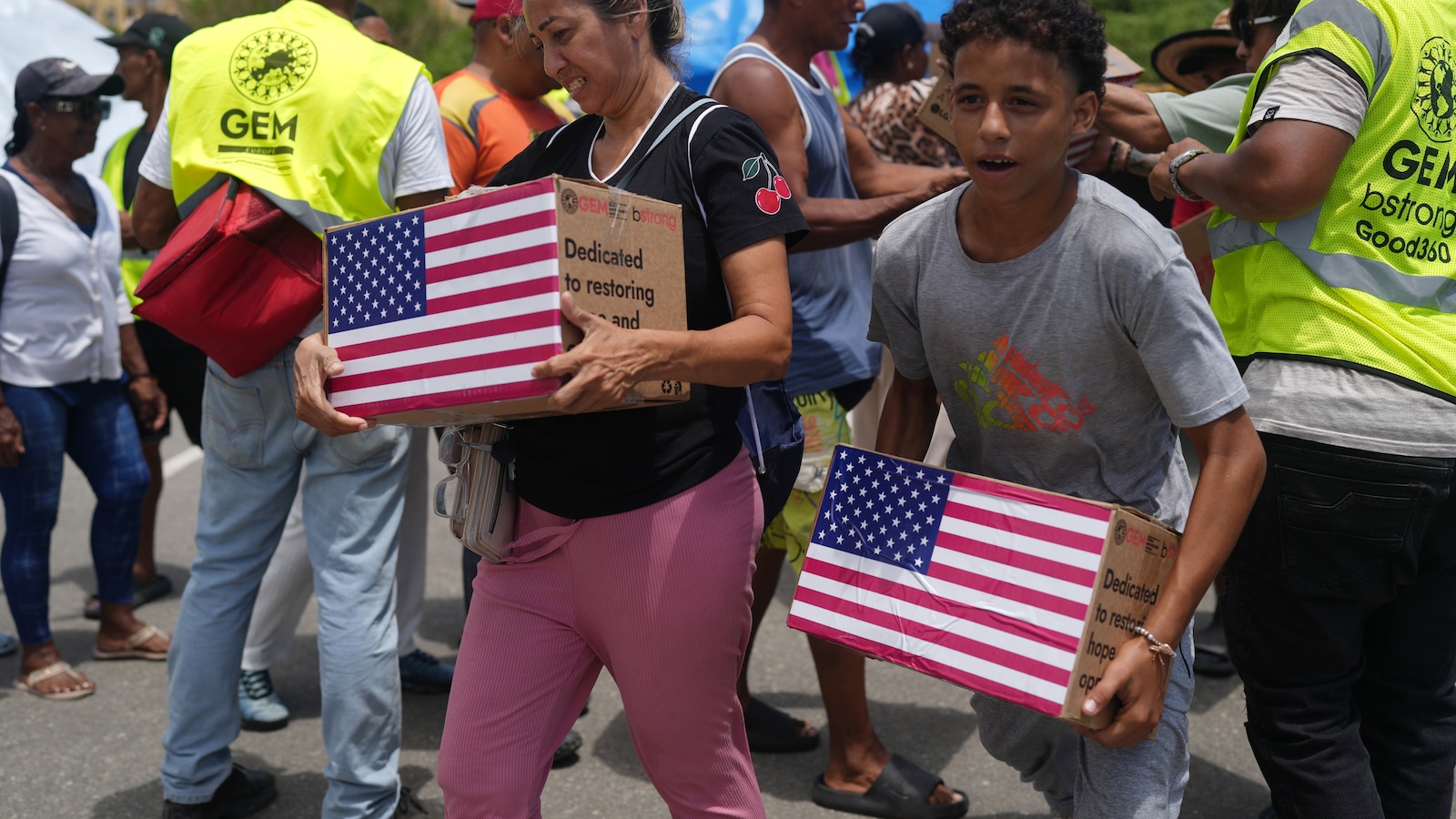
The recent earthquakes in Venezuela have left thousands of people struggling to access clean water, sanitation, and hygiene services. In La Guaira, the hardest-hit state, families are resorting to showering and relieving themselves on the beach due to the lack of facilities. With many water storage tanks damaged during the earthquakes, residents are facing challenges in obtaining water for daily needs.
The situation is dire for those living in temporary shelters or outdoors after the earthquakes caused significant damage to buildings. In some communities, access to potable water was already limited even before the disasters struck. Residents in Maiquetía, a town near the main airport, lined up to receive aid packages containing food, water, and hygiene kits to help them cope with the aftermath of the earthquakes.
Juliani Herrera, a 20-year-old resident, shared her experience of waiting for water tankers to fill buckets as their home storage tanks were damaged. The lack of access to clean water and sanitation facilities poses a risk of disease outbreaks, especially in densely populated areas with limited privacy. The Norwegian Refugee Council emphasized the need for improved conditions to prevent the spread of diseases and ensure the well-being of affected families.
The resilience and determination of families facing these challenges are commendable, but they should not have to bear the burden alone. Adequate support and resources are essential to help communities recover and rebuild in the wake of the earthquakes. As efforts continue to address the immediate needs of those affected, long-term solutions for water, sanitation, and hygiene services must be prioritized to ensure the health and safety of vulnerable populations.