Colombia's President-Elect Suspends Transition Process Amidst Political Crisis
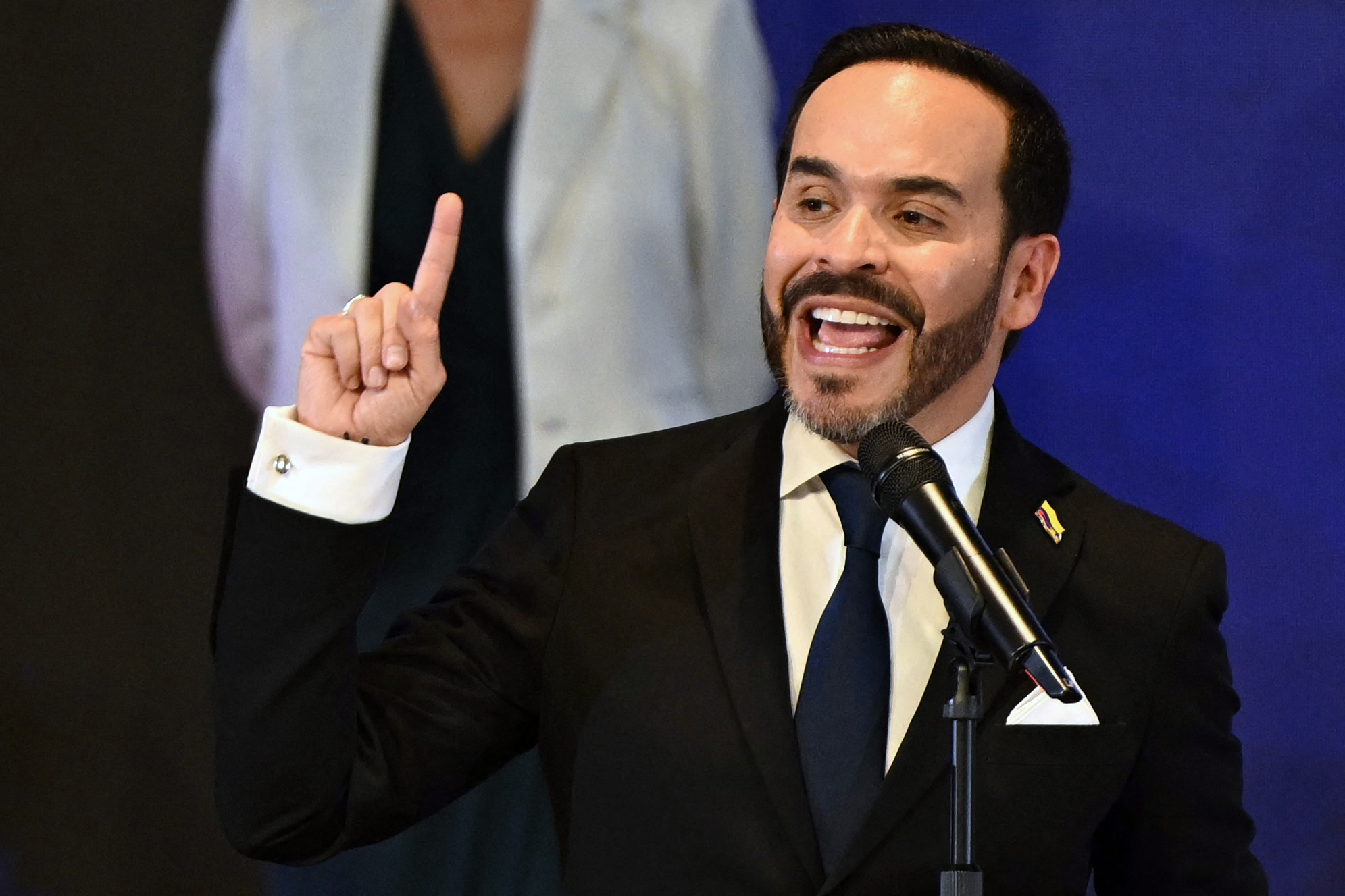
Colombia's president-elect, Abelardo de la Espriella, has made a bold decision to suspend the transition process with the outgoing administration of President Gustavo Petro. This move comes amidst a constitutional and political crisis just one month before the scheduled transfer of power. De la Espriella cited the need to protect the nation's interests and ensure a transparent transition for the Colombian people. He plans to address the nation to explain his decision and announce further measures.
The suspension of the transition process marks a significant shift in the relationship between the incoming and outgoing administrations. Despite initial efforts to collaborate on the transition, tensions have escalated due to Petro's refusal to recognize the legitimacy of the recent presidential election. De la Espriella has accused Petro's government of undermining the constitutional order and has vowed to take action against alleged irregularities within the outgoing administration.
The ongoing dispute has raised concerns about Colombia's institutional stability as the country approaches the inauguration date. Despite the challenges, De la Espriella has been officially proclaimed as the president-elect and is set to assume office on August 7th. The constitutional debate has expanded to include discussions about De la Espriella's U.S. citizenship and potential civil disobedience threats from defeated candidate Iván Cepeda.
In the midst of the political turmoil, De la Espriella is moving forward with the formation of his incoming administration. He recently appointed retired Major General Jorge Eduardo Mora as his defense minister, signaling a shift towards a tougher security policy. The situation remains fluid as both sides navigate the complexities of the transition process and the broader implications for Colombia's political landscape.