Reshaping Civil Rights Enforcement: Trump's Influence on the EEOC's Regulatory Agenda
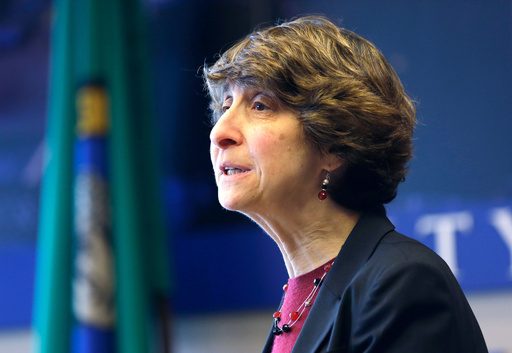
A former Democratic commissioner of a prominent civil rights agency has withdrawn a lawsuit challenging her dismissal by President Donald Trump, citing a recent Supreme Court ruling that expanded the president's authority over independent agencies. Trump's removal of Jocelyn Samuels and another Democrat from the Equal Employment Opportunity Commission paved the way for changes in civil rights enforcement, including prioritizing diversity and inclusion practices, weakening protections for transgender workers, and addressing discrimination claims against white and U.S.-born workers.
The EEOC has proceeded with Trump's agenda by releasing a regulatory agenda that includes proposals to end the annual collection of workplace demographic data and rescind guidance on English-only workplace policies. Trump's actions in reshaping the EEOC by dismissing Democratic commissioners before the end of their terms have been unprecedented, altering the balance of the commission in favor of Republicans.
Samuels' lawsuit challenging her termination was dropped following the Supreme Court's ruling in a separate case, which limited the ability of presidents to fire heads of independent agencies. The EEOC's current composition consists of two Republicans and one Democrat, with two vacant seats awaiting nomination by Trump.
The EEOC's new regulatory agenda, supported by Chair Andrea Lucas, aims to implement Trump's civil rights agenda and enforce federal civil rights laws. However, the sole Democratic commissioner, Kalpana Kotagal, has expressed concerns about the proposed changes weakening civil rights protections for workers and hindering the agency's enforcement efforts.
The regulatory agenda includes proposals to end the requirement for companies to submit workforce demographic data, rescind guidelines on national origin-based discrimination related to English-only rules, and revise regulations for enforcing the Pregnant Workers Fairness Act. These changes have sparked debate among critics and supporters of the EEOC's approach to combating discrimination and promoting diversity in the workforce.
In conclusion, the EEOC's regulatory agenda under the Trump administration reflects a shift in priorities towards reshaping civil rights enforcement policies and practices. The agency's proposed changes have raised concerns about the potential impact on workers' rights and the effectiveness of anti-discrimination efforts in the workplace.