Global Hunger Crisis: The Impact of US-Iran Conflict on Food Insecurity Worldwide
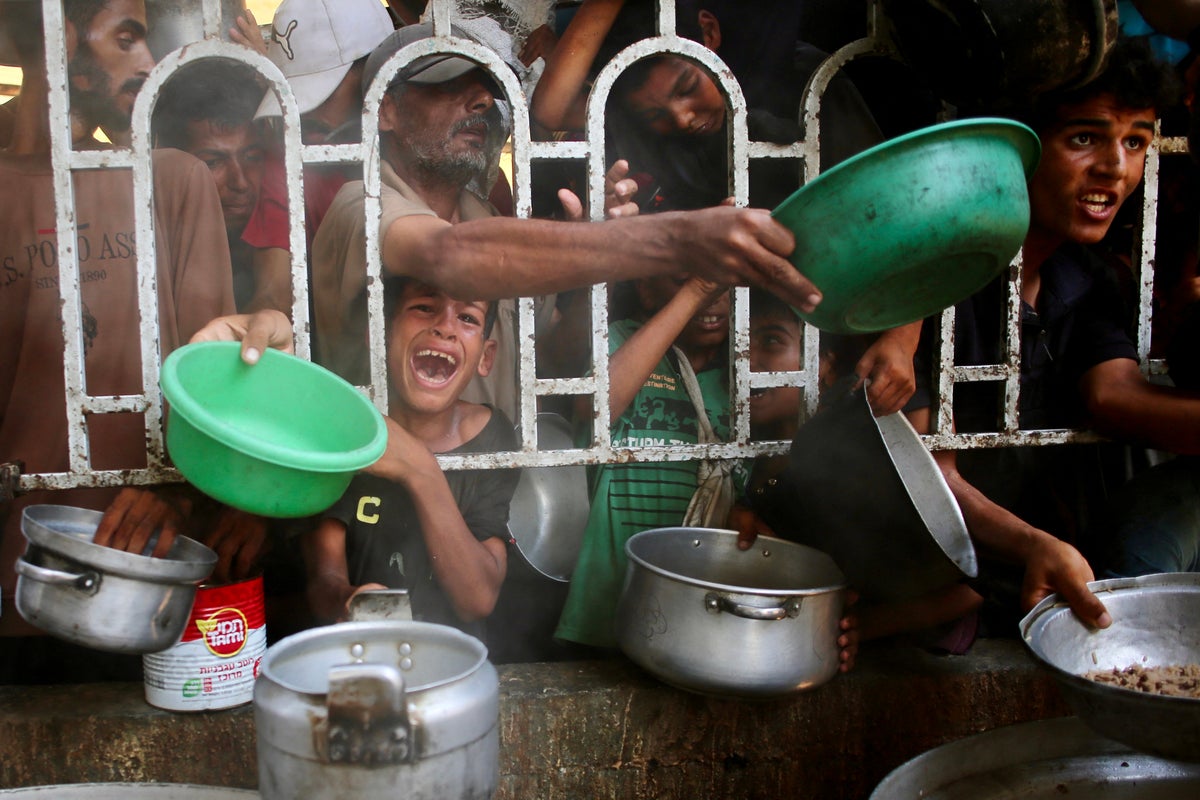
The aftermath of the conflict between the US and Iran, which led to a fragile ceasefire and the reopening of the Strait of Hormuz, has set off a chain of events that could exacerbate hunger crises in various parts of the world. Countries like Northern Nigeria, Gaza, Sudan, South Sudan, Somalia, Afghanistan, and Yemen are facing severe food insecurity due to disrupted supply chains and skyrocketing prices of essential resources like fertilizers. The impact of these disruptions is expected to persist for years, affecting millions of people globally.
The United Nations has warned that the blockade of the Strait of Hormuz could result in an additional 45 million people facing acute hunger, pushing the total number of people experiencing food insecurity to a record high. The worst-hit regions are anticipated to be in east and southern Africa, where millions more could face hunger. The World Food Programme has highlighted the urgent need for early action and adequate funding to mitigate the impending crisis, as the effects are likely to extend into the next year.
The United Nations Conference on Trade and Development has emphasized the cascading effect of higher energy prices on food production and prices, exacerbating hunger in fragile countries already grappling with reduced international aid. The looming threat of a super El Niño further compounds the situation, with droughts and floods expected to impact food-producing regions. Vulnerable countries heavily reliant on imports are at heightened risk, with millions more people facing food insecurity.
The humanitarian system is struggling to address the growing needs as major donor governments, particularly the US, have significantly cut international aid. This has forced humanitarian agencies to scale back food assistance and nutrition programs, leaving vulnerable communities at greater risk. The funding shortfall has hampered the response to rising hunger and malnutrition, with children being particularly vulnerable to the long-term consequences of food shortages.
The ongoing crisis underscores the urgent need for sustained international support and coordinated efforts to address the root causes of hunger and malnutrition. As the world grapples with overlapping crises, the impact on children's health and well-being is a critical concern. Immediate action and adequate funding are essential to prevent a further deterioration of the global food security situation and mitigate the long-term consequences of the current crisis.