Political Interference at the CDC: A Former Official's Perspective
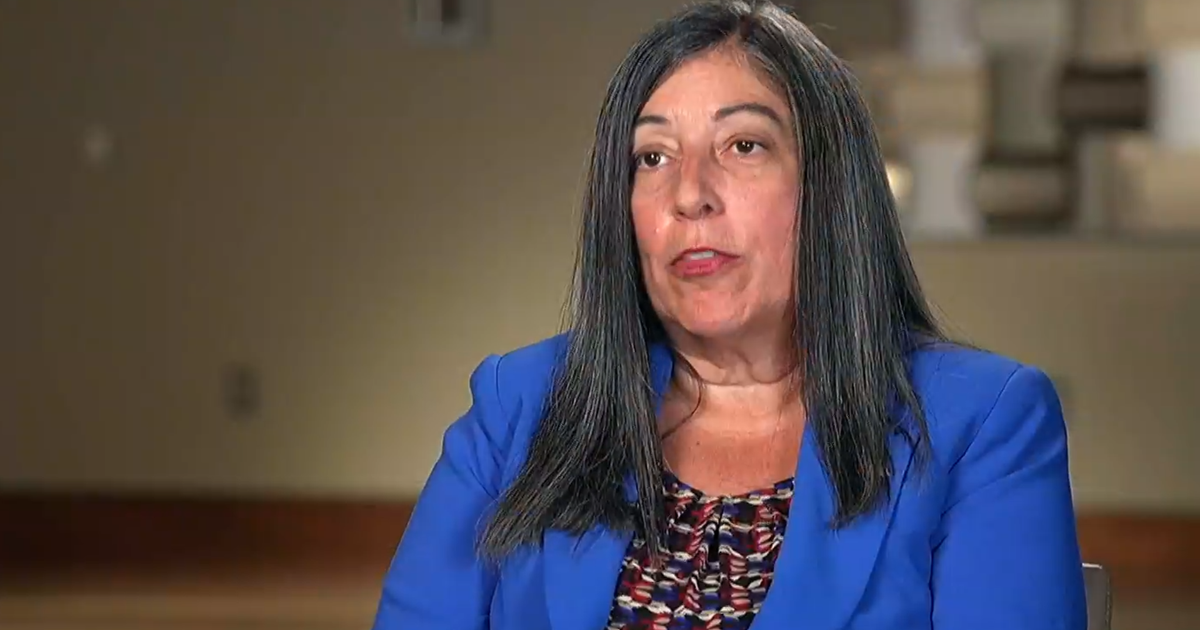
A former top official at the Centers for Disease Control and Prevention (CDC) spoke out about the chaotic situation within the agency as Health and Human Services Secretary Robert F. Kennedy Jr. made significant changes to its policies and personnel. Dr. Debra Houry, the former CDC chief medical officer, highlighted concerns about the removal of experts from a key vaccine advisory panel, Kennedy's refusal to receive a briefing on the measles epidemic, and his disregard for facts that did not align with his agenda. Houry emphasized the importance of science and expertise in decision-making, expressing worry about the lack of medical and scientific backgrounds among Kennedy's advisors.
Kennedy's decision to remove all members of the Advisory Committee for Immunization Practices (ACIP) and replace them with his allies raised further concerns about conflicts of interest and lack of scientific vetting. The new panel made significant changes to the childhood vaccine schedule, prompting criticism from Houry and others who stressed the importance of basing decisions on expertise and science. Kennedy's actions led to lawsuits and a federal judge halting the appointments and changes made by the new panel members.
Houry emphasized the need for robust discussions and depoliticizing public health decisions, urging a focus on research and data to protect public health. She criticized the agenda-driven approach taken by Kennedy and his allies, which she believed undermined the integrity of the CDC and put lives at risk. Houry called for an investigation into political interference at federal health agencies under Kennedy's leadership, expressing concern about the irreparable harm caused by his actions.
The challenges faced by the CDC under Kennedy's leadership, including the removal of webpages related to gender ideology and the scramble to restore vaccine-related information before his confirmation vote, highlighted the political pressures affecting the agency. Houry's decision to resign was driven by her commitment to upholding the scientific integrity of the CDC and ensuring that public health decisions are based on evidence and expertise. She emphasized the importance of rebuilding trust in the scientific community and protecting the CDC's credibility in the face of political interference.