Inside the Money Game: How House Members Influence Campaign Finance
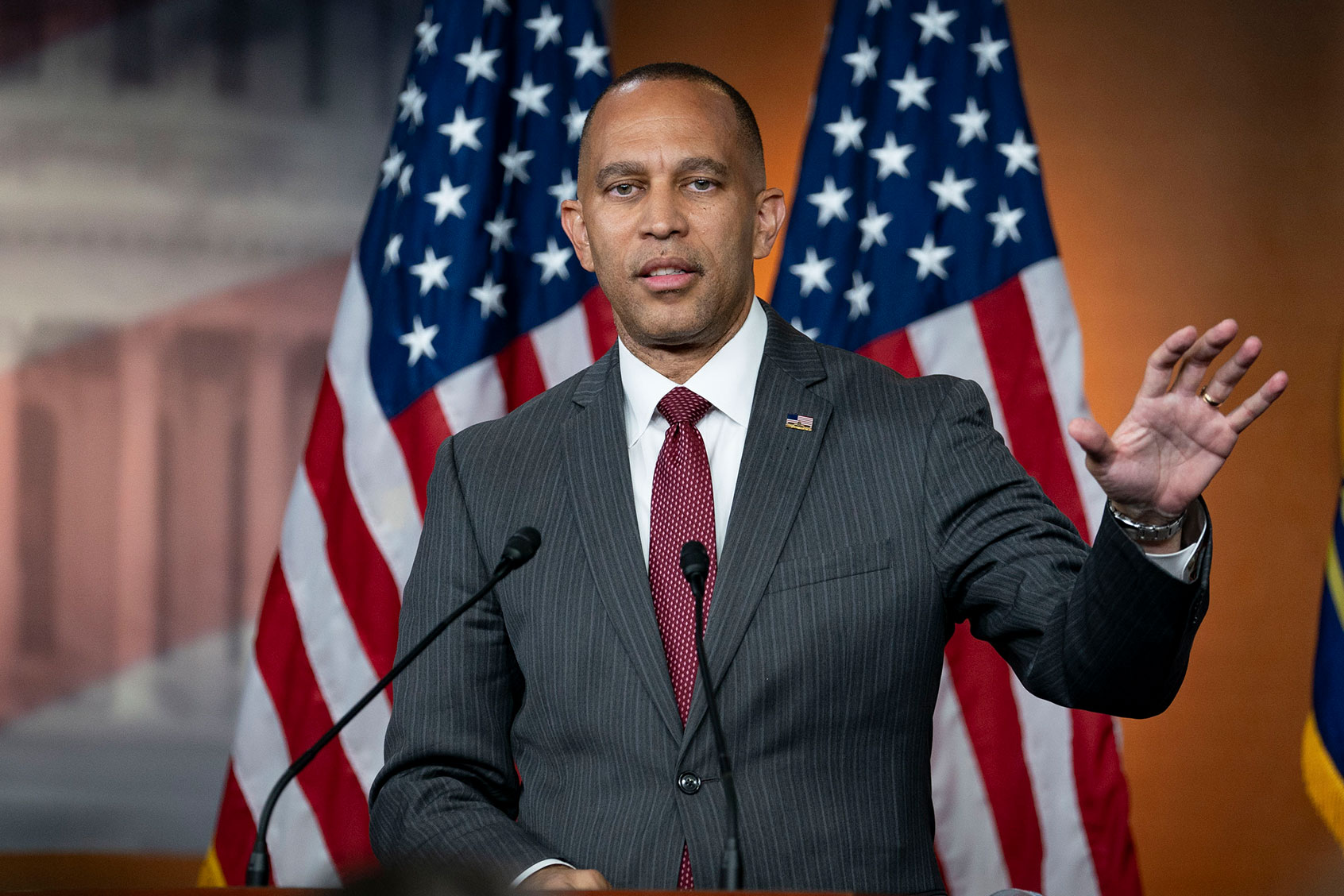
Campaign finance in the U.S. is not just about wealthy donors and super PACs; it also involves internal money transfers among members of Congress. These transfers, while a small part of overall campaign spending, reveal how parties reward influence, support vulnerable candidates, and organize power within the House of Representatives. A recent study analyzed campaign contributions among House members from 2009 to 2022, showing that these decisions are not random but reflect the structure of party politics in the House.
Campaign contributions between House members are legal and common, helping members build alliances, strengthen party standing, and direct resources to competitive races. Party insiders, such as senior lawmakers and leaders, play a significant role in steering campaign cash. Leadership members are more likely to give to colleagues, with Democrats and Republicans organizing these contributions differently. Democratic networks are more centralized, while Republican networks have become more dispersed over time.
Seniority also matters, especially among Democrats, as longer-serving members are more likely to give and less likely to receive. Super PAC activity influences internal campaign finance, with members targeted by more super PAC spending receiving contributions from fellow party members. These patterns highlight how parties build influence, protect vulnerable members, and respond to election pressures, offering insights into the differences between Democrats and Republicans in campaign finance strategies.
In a political landscape where the role of money is debated, internal campaign finance sheds light on how parties make strategic choices about where money goes, shaping the balance of power in Congress. The study underscores the importance of understanding internal money flows in addition to external donors and interest groups in the broader context of campaign finance.