The Declaration of Independence: Birth of a Nation and Enduring Legacy
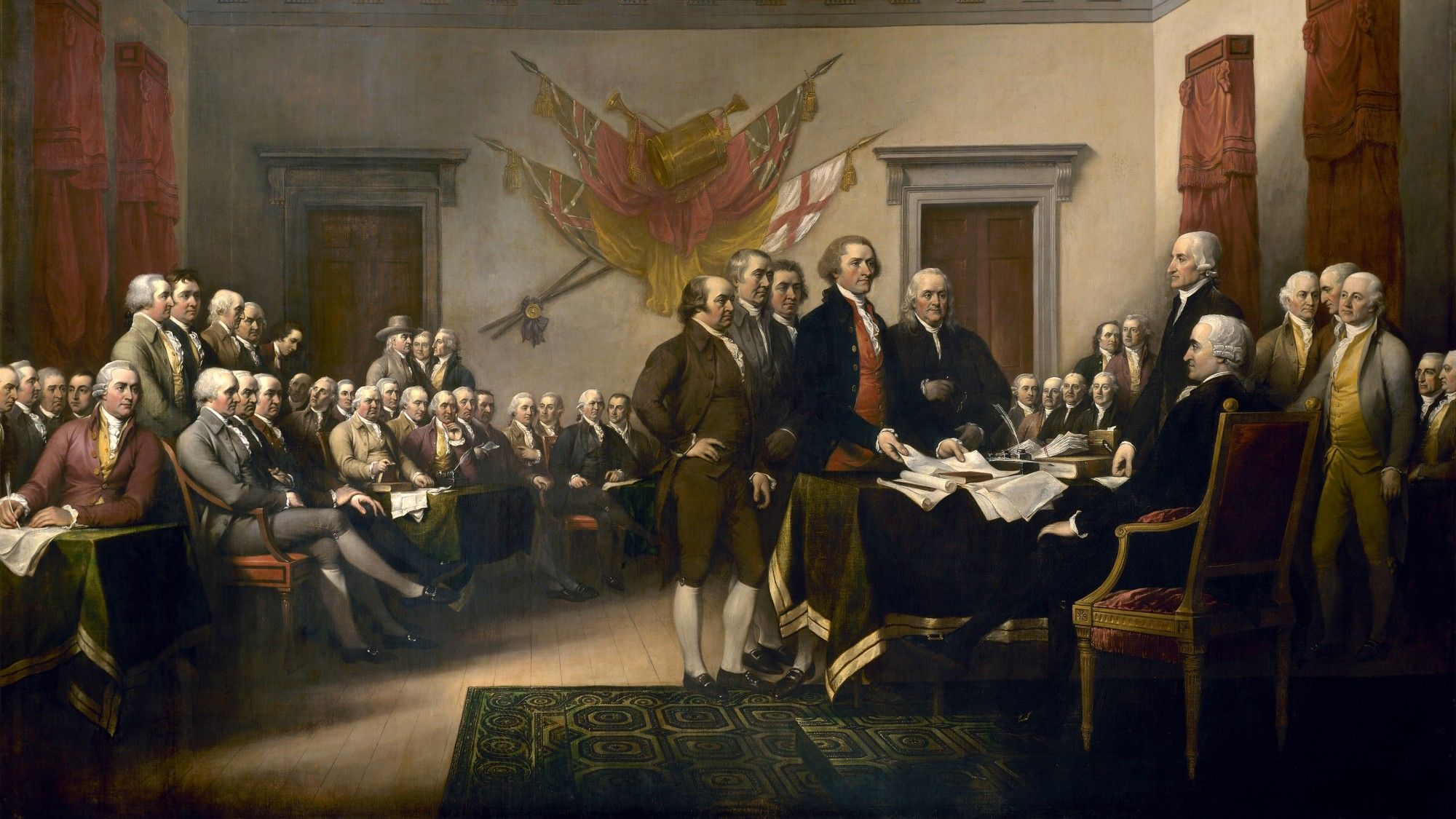
In July 1776, the 13 American colonies were engaged in a war with Great Britain that had been ongoing for over a year and would continue until 1783. The Declaration of Independence, initially conceived as a press release by the Second Continental Congress, aimed to justify the colonies' rebellion and secure foreign alliances. John Adams believed that the vote for independence on July 2nd was more significant than the eventual signing on July 4th, which he envisioned as a day of celebration and remembrance.
The Declaration of Independence marked the formal declaration of the 13 colonies as the "united States of America," asserting the self-evident truths of equality and unalienable rights. It detailed the grievances against Britain and King George III, leading to the decision to sever all political ties with the British government. The deteriorating relations between the colonies and Britain stemmed from financial burdens imposed by the British government following the Seven Years' War victory in 1763.
The escalating tensions culminated in the outbreak of war in April 1775, with the Battles of Lexington and Concord marking the beginning of the conflict. Initially, the American colonists viewed the war as a defense of their legal rights as British citizens, sending a plea for reconciliation to King George III in the Olive Branch Petition. However, the king's refusal and subsequent actions pushed the colonies towards independence.
Thomas Paine's influential pamphlet "Common Sense" advocated for outright independence, swaying public opinion and prompting the drafting of the Declaration of Independence by the Committee of Five. Thomas Jefferson primarily authored the Declaration, emphasizing the principles of individual rights and government based on a social contract. The document was officially approved on July 4th, 1776, and signed by the Founding Fathers in August.
The Declaration of Independence's publication sparked widespread public celebrations and readings, symbolizing the birth of a new nation. Its significance transcended American history, inspiring declarations of independence worldwide and influencing movements for liberty and equality. The document's enduring legacy continues to shape the principles of democracy and human rights, resonating with leaders like Abraham Lincoln and Martin Luther King Jr. who championed its ideals.