Preparing for Typhoon Bavi: Residents in U.S. Territories Brace for Impact
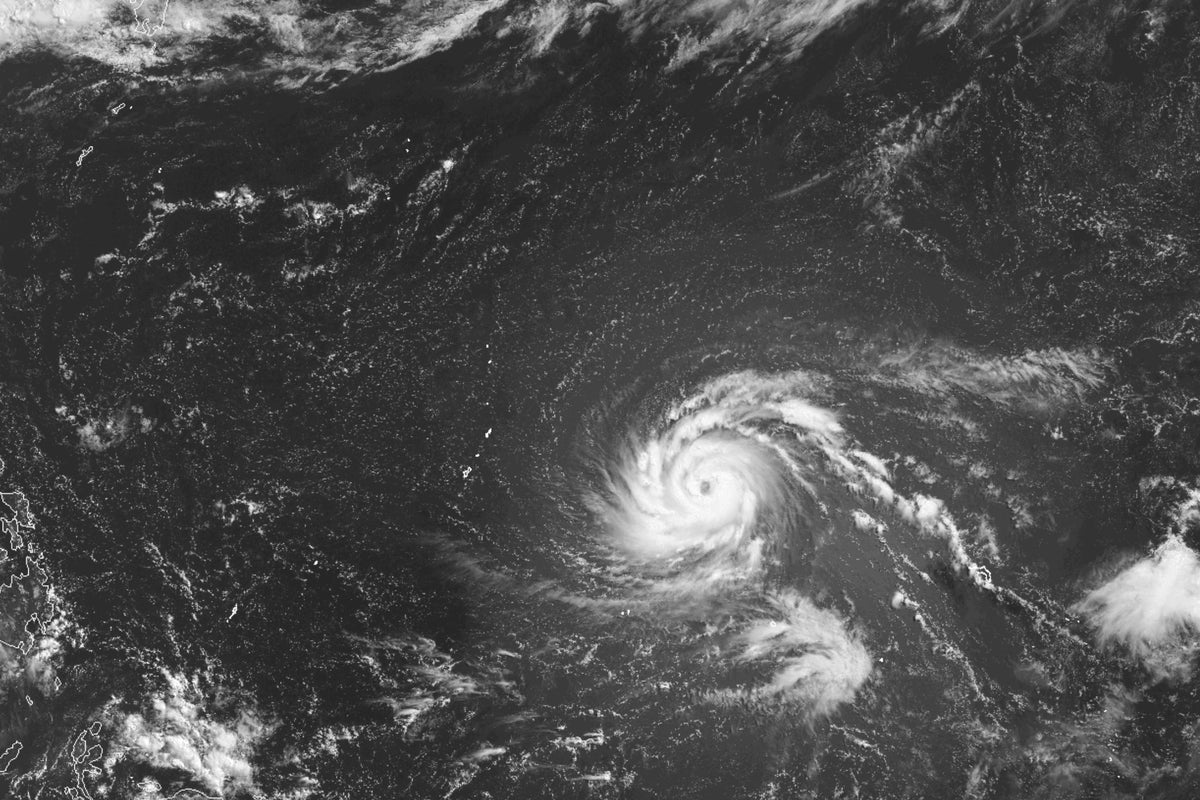
Residents in the U.S. territories in the western Pacific are preparing for the potential impact of a super typhoon, following the devastation caused by Super Typhoon Sinlaku earlier this year. The U.S. Commonwealth of the Northern Mariana Islands is still struggling to recover from the previous typhoon, with many residents living in tents due to their destroyed homes. Typhoon Bavi is forecasted to become a super typhoon and is expected to reach the Marianas by Sunday night or early Monday, posing a significant threat to the region.
A super typhoon is classified when its sustained winds reach 150 mph or stronger, equivalent to a high-end Category 4 or Category 5 storm. As of Friday, Typhoon Bavi was located 760 miles east of Guam with maximum sustained winds of 80 mph. Some residents are hoping that Guam will bear the brunt of the typhoon, providing relief to the Northern Marianas as they continue their recovery efforts from Sinlaku.
Precautionary measures are already being taken by residents, such as covering windows with plywood and stocking up on gasoline. The increased frequency of typhoons in the region is attributed to El Nino, a natural warming cycle that amplifies hurricane season activity in the Pacific. Experts warn that the combination of El Nino and global warming from fossil fuel emissions could lead to more extreme weather events worldwide.
Despite the progress made in recovering from Sinlaku, there is still a long way to go for the affected communities. The ongoing grief for the crew members of a cargo ship that capsized during the typhoon serves as a reminder of the challenges faced by the region. As preparations continue for Typhoon Bavi, residents remain hopeful that the storm's impact will be minimized, and that the communities will be able to weather the upcoming challenges.