Natural Solutions for Algae Control in The Reflecting Pool: Water Fleas and Aquatic Plants
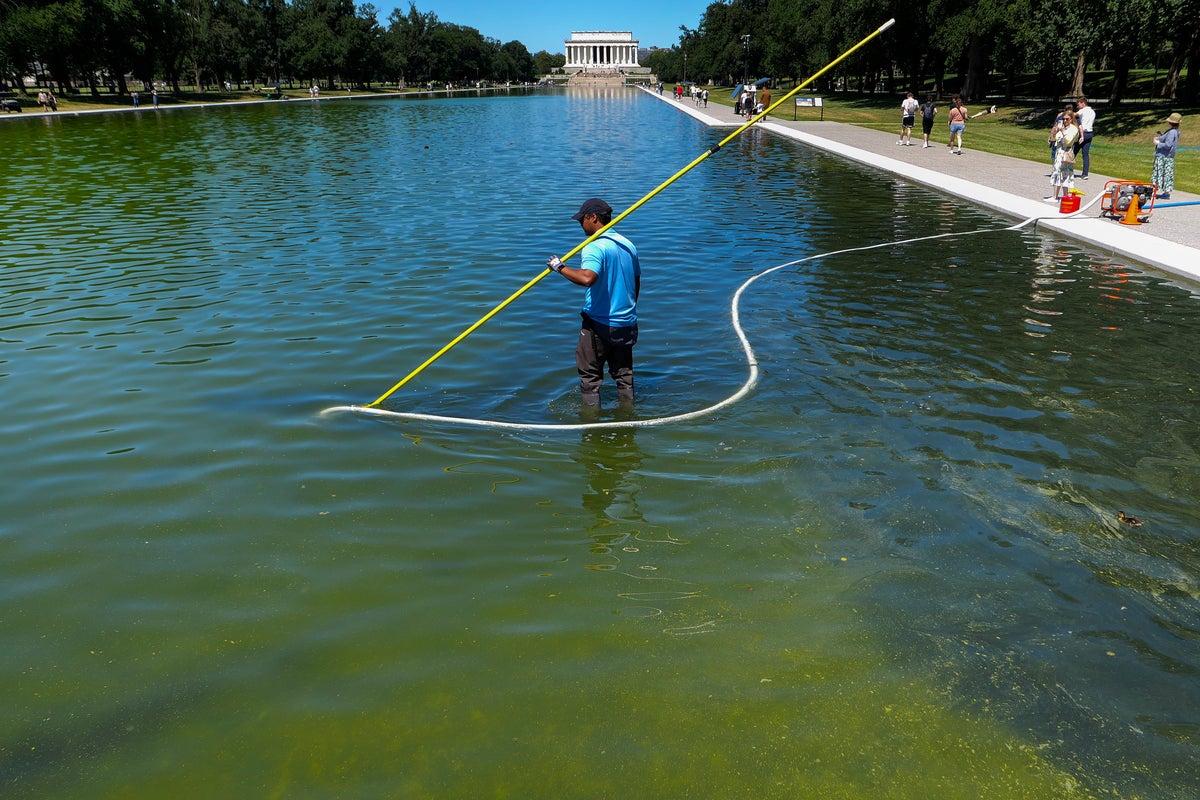
The Reflecting Pool underwent a renovation, but algae blooms quickly clouded the water. The Trump administration tried various interventions to address the issue, including manual removal of algae, nanobubbler filtration systems, and hydrogen peroxide treatments. President Trump even suggested draining the pool. However, an expert proposed a more natural solution involving water fleas to control the algae growth. Water fleas, also known as Daphnia, could consume the algae and adapt to harsh conditions, making them a sustainable option for algae control in urban ponds.
The Reflecting Pool's size and shallow depth create ideal conditions for algae growth, exacerbated by the recent paint job. Chemical and mechanical solutions are temporary fixes, while introducing water fleas could provide a long-lasting and eco-friendly solution. Draining the pool could disrupt the ecosystem and harm the organisms that help control algae blooms. Water fleas have the ability to evolve and adapt to environmental stressors, making them effective at managing algae growth in urban water bodies.
In addition to water fleas, rooted aquatic plants can also help minimize algae by absorbing nutrients. The Trump administration's response to the expert's proposal remains uncertain. The Reflecting Pool is currently closed for Fourth of July preparations, with a focus on preventing vandalism. Several individuals have been arrested for alleged vandalism at the site. Internal records suggest that Trump officials were aware of issues with the algae-control systems despite touting the renovation as a success. Trump's social media post claimed the algae issue was resolved and hinted at draining the pool after July 4th for further treatment.