From Blue Laws to Ballparks: The Evolution of Hot Dogs in American Culture
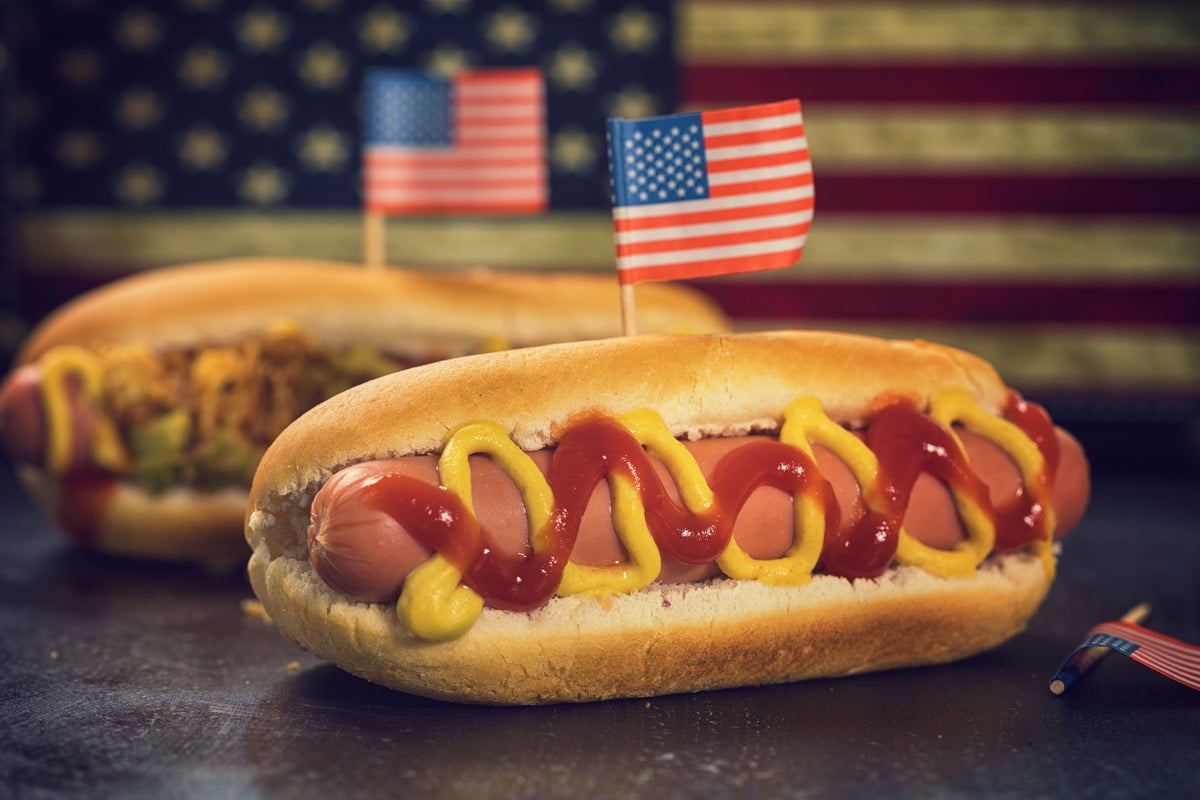
Indiana in the 19th century implemented strict "blue laws" to preserve Sundays for rest and worship, even regulating the sale of hot dogs. The term "hot dog" made its earliest appearance in print in 1884, as German sausages like weisswurst and bockwurst became popular in America. By the 1890s, hot dogs were closely associated with ballparks and American culture, with events like the Fourth of July hot dog eating contest in New York further solidifying their place in the nation's traditions.
The National Hot Dog and Sausage Council recognizes 19 regional varieties of hot dogs, from the Cleveland "Polish boy" to the Chicago dog with its distinctive toppings. Hot dogs also played a role in international relations, with notable instances like King George VI and Queen Elizabeth enjoying hot dogs during their visit to America. Nikita Khrushchev humorously acknowledged America's prowess in sausage-making during his visit to the U.S.
Hot dogs have a global appeal, with fans worldwide having their preferences. Gloria Ousset from Argentina reminisces about the flavorful hot dogs from her home country while enjoying Walter's Hot Dogs in New York. Hot dogs have also been the subject of artistic installations, like the 65-foot hot dog sculpture in Times Square and Jamie Loftus' book "Raw Dog: The Naked Truth about Hot Dogs," which explores hot dog culture across the United States.
Hot dogs, with their mix of joy and nostalgia, serve as a fitting symbol for the U.S., according to Loftus. The evolution of hot dogs from a simple street food to a cultural icon reflects the diverse and ever-changing landscape of American cuisine.