Debate Over Malta's Large Scale Events Support Scheme: Public Funding for International Music Stars
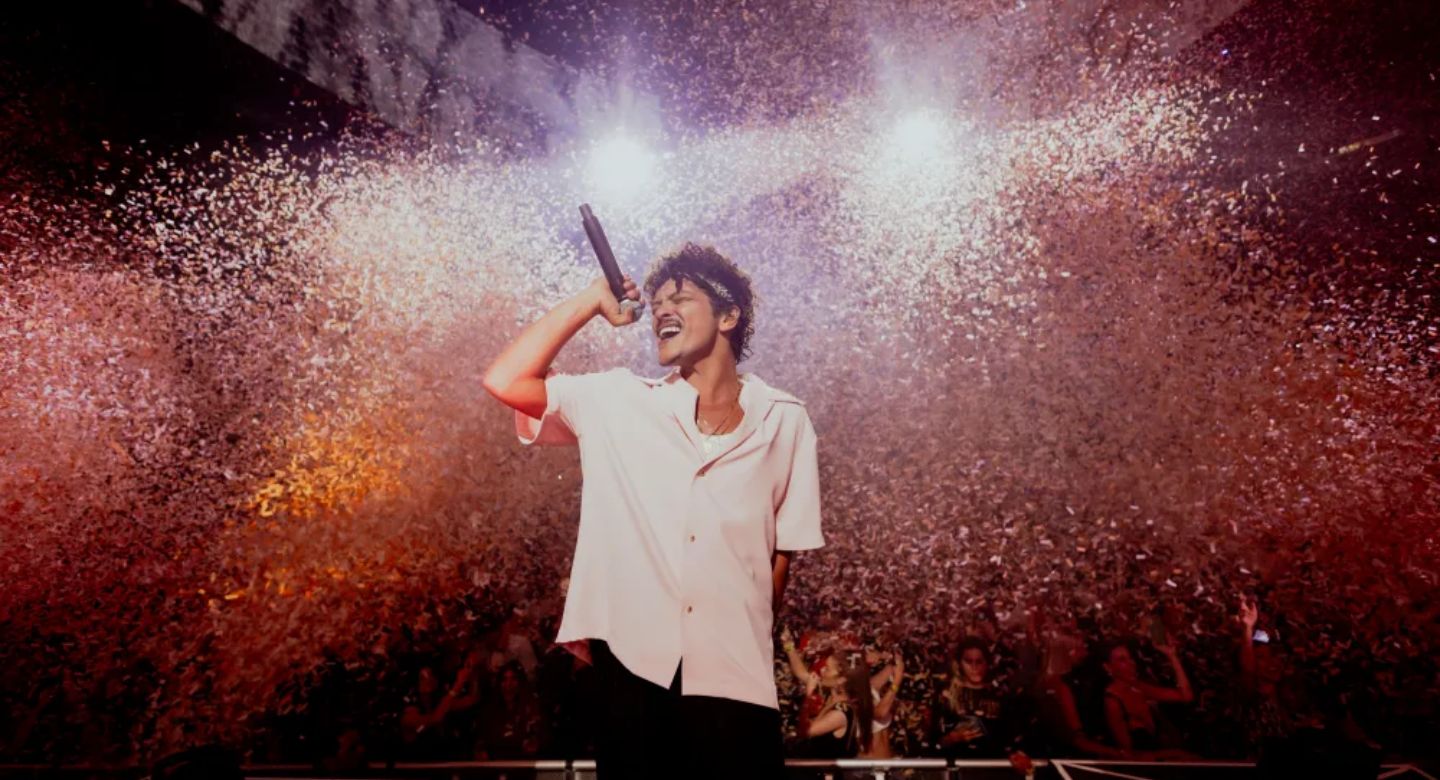
Malta's government has allocated over €9.4 million in subsidies to bring renowned international music stars to the country through the Large Scale Events Support Scheme. Festivals Malta will oversee the funding for concerts by artists like Paul McCartney, Mariah Carey, Bruno Mars, and others. Despite the public funding, attendees will still need to purchase tickets at high prices, benefiting private promoters by reducing their financial risk and enhancing the commercial viability of the events.
The largest grant of €1.52 million was awarded to Greatt Company Ltd for a Paul McCartney concert, owned by former PN TV official Anton Attard. Four promoters received a total of €8 million, with NNG Promotions securing €2 million for Pitbull and Michael Bublé concerts. Plus 356 Entertainment Ltd also reached the €2 million limit for concerts by Lionel Richie, Mariah Carey, and Black Coffee. Other recipients included Media Exclusive Ltd, GMED, Two Rocks Entertainment, 727 Entertainment, Bodo Ltd, and Outdoor Matters.
The government's commitment of €9.41 million under the scheme has sparked discussions about the use of taxpayer funds to support entertainment events. While the government aims to boost tourism and the night-time economy, critics question the concentration of funding in the hands of a few promoters and the decision to subsidize concerts by globally recognized artists. This approach has similarities to the funding of local TV productions by the same companies, raising concerns about the allocation of public funds for commercial ventures.
In conclusion, the Large Scale Events Support Scheme in Malta has stirred debate over the use of taxpayer money to finance high-profile concerts and events. While the government sees it as an investment in tourism and international visibility, critics argue that the concentration of funding among a select group of promoters may not be the most effective use of public funds. The allocation of millions of euros to support commercially driven entertainment events has reignited discussions about the balance between public investment and private enterprise in the cultural and entertainment sector.