Unveiling the Shadow Fleet: Covert Drone Surveillance of Nuclear Sites in Europe
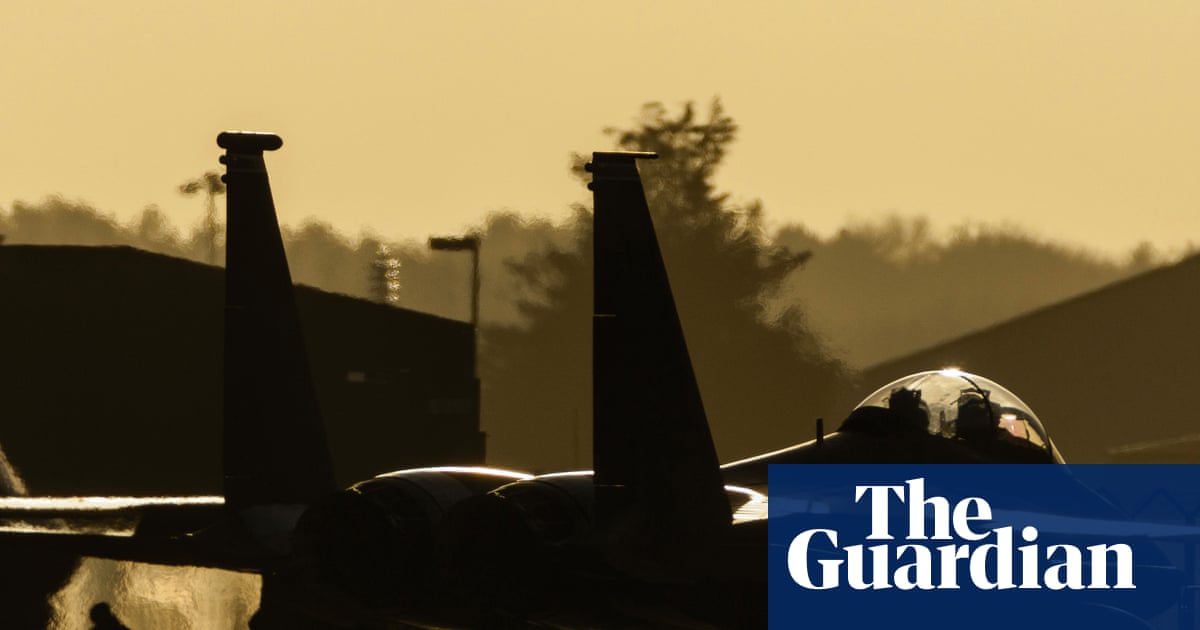
A coordinated surveillance campaign using drones launched from shadow fleet vessels targeted nuclear sites in the UK, France, Belgium, and the Netherlands over an 18-month period, according to researchers. The International Institute of Strategic Studies (IISS) analyzed 144 incidents in multiple countries starting in late 2024, concluding that Russian intelligence operated with impunity, catching European authorities off guard. Drones were observed over airbases and airports without being intercepted, revealing a strategic flaw in Nato air defenses.
The UK's RAF Lakenheath and France's Île Longue nuclear submarine base were among the sites surveilled by drones believed to have been launched from the sea. Despite the repeated drone sightings, European governments hesitated to attribute the incidents to Russia. The IISS report highlighted the need for increased vigilance and defense measures against such threats.
Incidents included drones flying over US air force bases in England and nuclear sites in France, Belgium, and the Netherlands. The drones were likely launched from vessels with their tracking devices turned off, making detection challenging. The Kremlin's motives behind the surveillance campaign were speculated to include nuclear reconnaissance, general intelligence gathering, and psychological warfare.
The report emphasized the need for enhanced defense mechanisms to counter unconventional threats posed by drones. The surge in drone sightings across Europe in recent years underscored the need for coordinated efforts to address such security challenges. European navies' actions to seize shadow fleet vessels in 2026 appeared to have reduced drone activities in the region.
The use of drones for surveillance and reconnaissance purposes has raised concerns about the evolving nature of security threats. The incidents described in the report shed light on the vulnerabilities in existing defense systems and the need for proactive measures to safeguard critical infrastructure. As technology continues to advance, addressing the risks posed by drones will be crucial for ensuring national security and stability.