The Role of Dialects in Cultural Identity: Exploring Language Trends and Authenticity in the United States
Emily Sweeney, a social video journalist at The Boston Globe, gained attention for her distinctive Boston accent while reporting on crime in Massachusetts. Dialects in the United States play a significant role in cultural authenticity and identity, with changes often led by teenage girls. Linguists like Betsy Sneller from Michigan State University have found that adolescent girls are ahead of the curve in determining language trends, shaping the future of vernacular speech.
Research conducted through the Telsur Project in the 1990s identified eight major dialects in the U.S., including Northern, Southern, and various regional distinctions. African American English, with roots in Southern English, evolved differently due to historical segregation patterns. Salikoko Mufwene from the University of Chicago explains how African American English reflects the history of segregation in the U.S., highlighting the cultural significance and identity tied to language.
The development of African American English is linked to the history of residential segregation and discrimination in the U.S. Mufwene emphasizes the importance of cultural identity in maintaining dialects, especially for African Americans who navigate between different social contexts. Linguists stress that language is a vital part of identity, with certain dialects carrying cultural markers that can lead to stereotypes and prejudice.
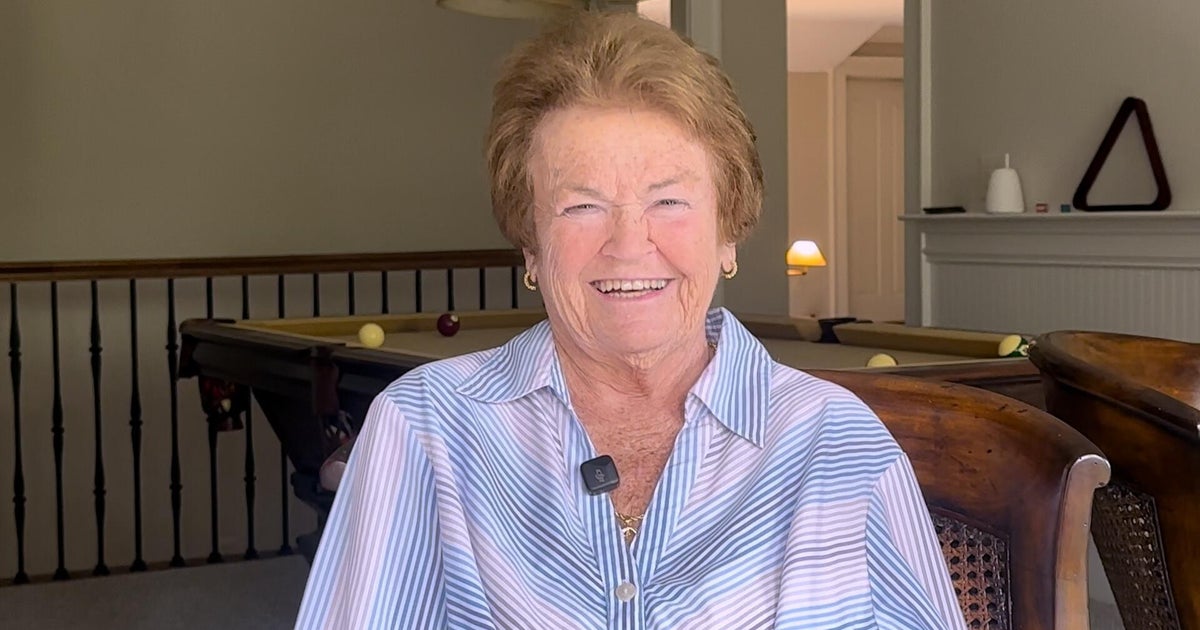
For individuals like Emily Sweeney and Karen Norris Newsome, their accents are a source of pride and connection to their roots. Sweeney's Boston accent signifies wisdom and authenticity, while Newsome's Lowcountry accent reflects her Southern heritage and values. Both women embrace their accents as a part of their cultural identity, showcasing the diversity and richness of dialects in the United States.