Navigating the Heatwave Debate: New Yorkers Divided Over Energy Conservation and Government Intervention
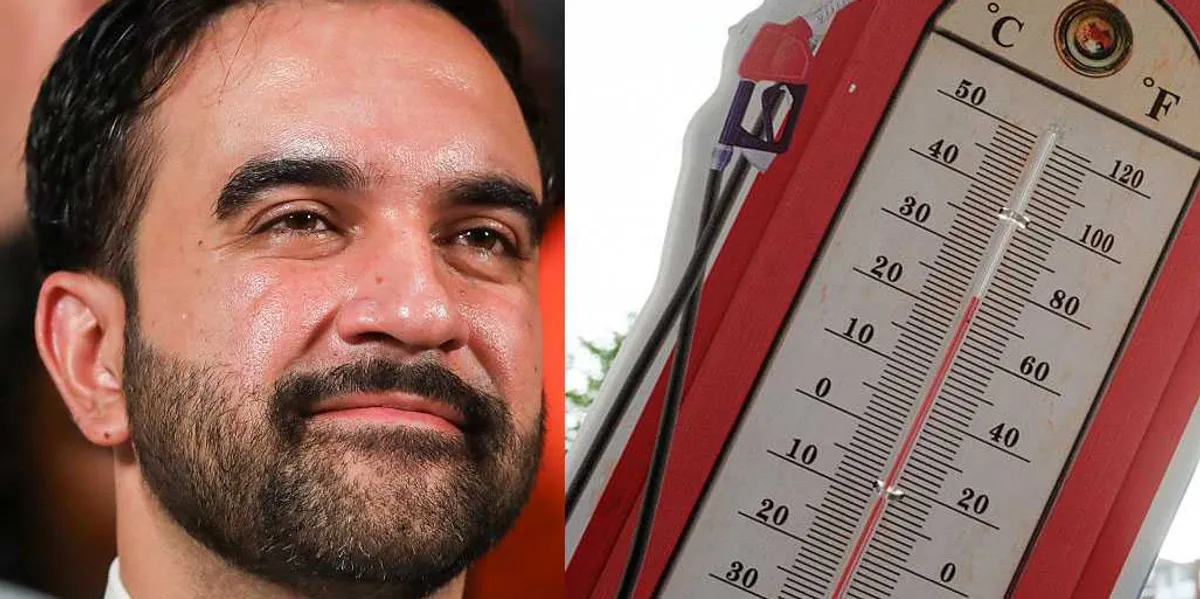
New Yorkers are bracing for a scorching heatwave with temperatures soaring above 100°F, prompting Mayor Zohran Mamdani to urge residents to adjust their thermostats to 78 degrees Fahrenheit. The National Weather System forecasts extreme heat across multiple states, potentially reaching up to 115 degrees, posing a threat to the power grid. Mamdani emphasized the importance of conserving energy by setting AC units to 78 degrees, turning off unnecessary lights and electronics, and unplugging unused devices to alleviate strain on the grid.
In response to the heatwave, New York City has implemented the "78 degrees rule" in municipal buildings, along with measures to reduce electricity consumption during peak demand. Mamdani stressed the significance of maintaining a stable power grid to ensure continuous access to air conditioning and prevent potential risks to public health. Critics, however, have criticized the mayor's directives as emblematic of socialist policies that could lead to energy restrictions and government control over individual choices.
Republican figures such as Ohio gubernatorial candidate Vivek Ramaswamy and Florida Rep. Anna Paulina Luna have condemned the perceived socialist approach to energy conservation, advocating for increased energy production through methods like drilling, fracking, coal, and nuclear power. The debate over government intervention in energy usage has sparked a political divide, with voices from both sides expressing contrasting views on the role of socialism in shaping energy policies.
Amidst the controversy, New York City Council member Vickie Paladino has urged residents to resist conformity to energy-saving mandates and demand accountability from authorities regarding power generation capacity. Paladino cautioned against normalizing socialist ideals that could lead to long-term restrictions on air conditioning usage and higher energy costs. As the debate continues, New Yorkers are encouraged to explore alternative cooling options available in the city, such as spray showers, outdoor pools, shaded areas, and drinking fountains to beat the heat.
In conclusion, the heatwave in New York has sparked a debate over energy conservation measures and government intervention in regulating air conditioning usage. While Mayor Mamdani advocates for energy-saving practices to maintain a stable power grid, critics view these directives as a precursor to socialist policies that could infringe on individual freedoms. As residents navigate the challenges of extreme heat, the discussion surrounding energy policies and personal choices remains a contentious issue in the ongoing debate over climate control and government oversight.