Analyzing the Latest US Job Growth Data: Challenges and Opportunities Ahead
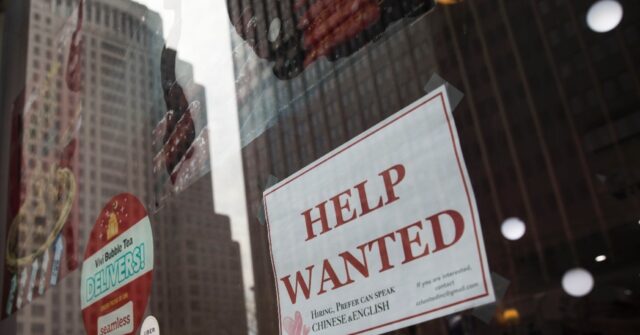
The latest data from the US Bureau of Labor Statistics revealed that job growth in the United States fell short of expectations in June, with an increase of 57,000 nonfarm payroll employment and a slight drop in the unemployment rate to 4.2 percent. Despite some positive gains in the job market over the past few months, the numbers for April and May were revised downward by 74,000 jobs. Economists had anticipated a growth of 115,000 jobs, highlighting the unexpected nature of the data.
The Federal Reserve, under the leadership of new chair Kevin Warsh, has been closely monitoring the situation, particularly in light of rising inflation. While the slowing job growth may give some Fed governors pause in their plans to raise rates, the overall impact on the economy remains uncertain. Inflation has been on the rise, outpacing the growth in average hourly earnings for US workers, leading to a decrease in purchasing power for many individuals.
Despite the challenges in the job market, certain sectors like health care and social assistance have shown resilience in adding jobs. The health care sector, in particular, has been a consistent source of job growth due to the increasing demand for services driven by an aging population. However, other sectors such as manufacturing, retail trade, transportation, and financial activities have experienced stagnation in job creation.
As the country approaches midterm elections, the political landscape adds another layer of complexity to the economic situation. With Democrats vying for control of Congress and President Trump's policies under scrutiny, the future of the labor market remains uncertain. While critics like Democratic Senator Elizabeth Warren have pointed to the administration's economic agenda as a factor in the weakening job market, the White House remains optimistic about the future, emphasizing the strength of the labor market under President Trump's leadership.
In conclusion, the latest job growth data in the United States has raised concerns about the overall health of the labor market, with unexpected numbers and challenges in key sectors. As the Federal Reserve and policymakers navigate the complex economic landscape, the impact of rising inflation and political dynamics will continue to shape the future of job growth in the country.