The Political Implications of Justice Alito's Potential Retirement on the Supreme Court
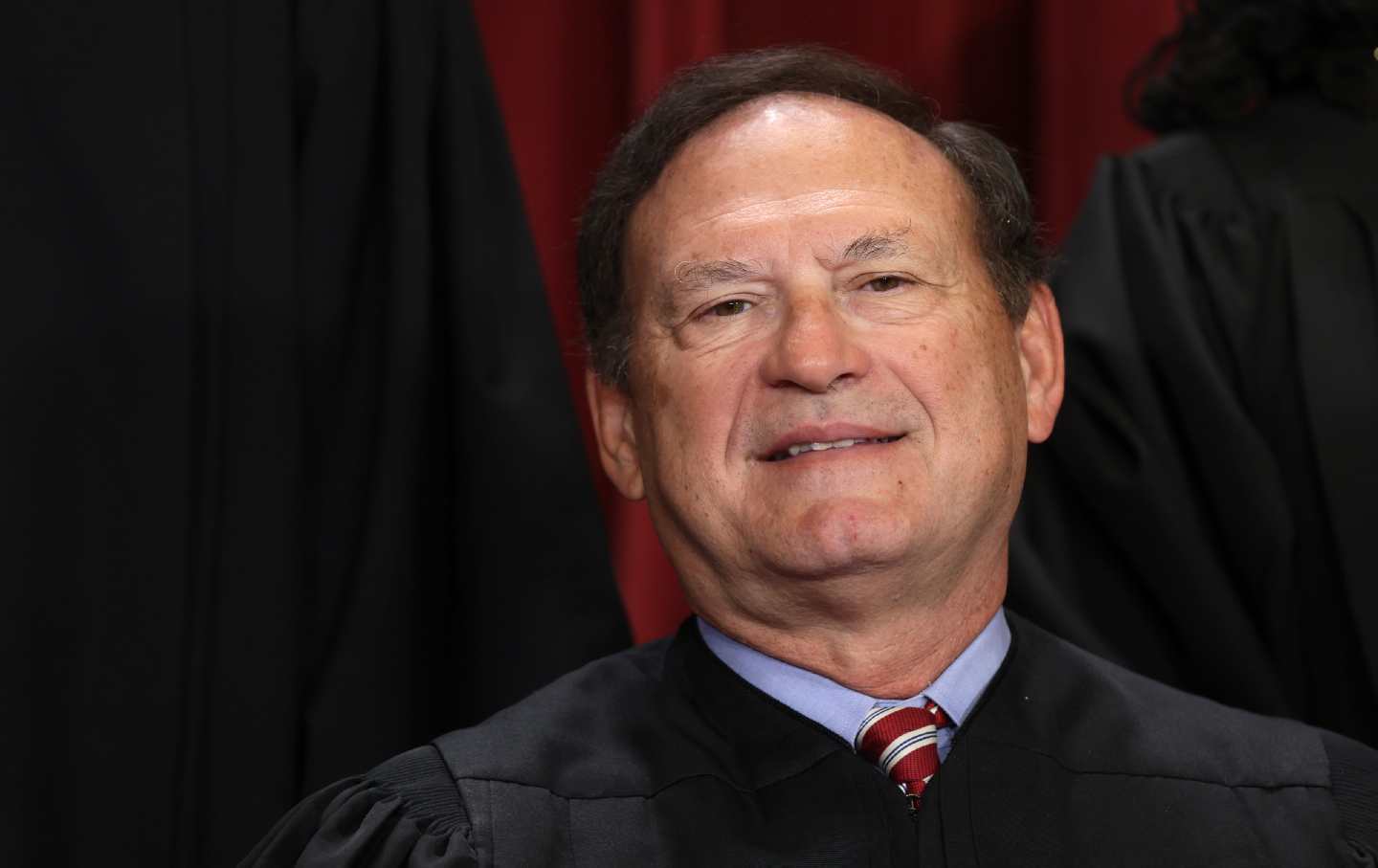
Granting a conservative justice the power to choose their successor on the Supreme Court could have significant political implications. Samuel Alito, a key figure in the current right-leaning court, is unlikely to retire at this point in time. His influence has been instrumental in shaping the court's decisions on various issues, moving the country towards the right on matters such as abortion, immigration, race, and voting rights. The court's rulings have had a direct impact on political outcomes, such as gerrymandering that has reduced Black representation in the South. Despite claims of judicial impartiality, the court's decisions have been deeply political in nature.
As the current term of the Supreme Court comes to a close, speculation has arisen about whether Alito will strategically retire while Republicans still hold power in the White House and Senate. This move could have significant implications for the court's future direction. While Alito has hired clerks for the next term, similar to Justice Anthony Kennedy before he retired, the timing of Alito's potential retirement remains uncertain. The decision to retire could have far-reaching consequences for the court's composition and future rulings.
The debate over Alito's potential retirement underscores the political nature of the Supreme Court and the impact of judicial appointments on the country's legal landscape. The court's decisions have real-world consequences, shaping policies and laws that affect millions of Americans. The question of when and how justices choose to retire is a critical issue that goes beyond legal considerations, highlighting the intersection of law and politics in the highest court in the land.